Nishijin-Ori vs Shu Brocade: 2026 Silk Guide for Kimono & Cheongsam
The 2026 Renaissance of Heritage Silk Weaving
In 2026, the global appreciation for authentic Asian traditional garments has reached unprecedented heights, driven by a renewed interest in sustainable luxury and sartorial heritage. Discerning collectors, modern designers, and cultural preservationists are moving beyond mass-produced synthetic blends, seeking out the master-crafted textiles that have defined East Asian fashion for centuries. At the pinnacle of this movement are two legendary weaving techniques: Japan's Nishijin-ori and China's Shu Brocade. Both textiles represent the zenith of silk craftsmanship, yet they offer vastly different structural properties, visual aesthetics, and tailoring applications.
For those looking to commission a bespoke kimono or a modern, high-end cheongsam, understanding the nuanced differences between these two heritage fabrics is essential. The choice of textile dictates not only the drape and silhouette of the final garment but also its longevity, care requirements, and investment value. This comprehensive guide explores the technical specifications, 2026 market pricing, and practical sourcing strategies for Nishijin-ori and Shu brocade, ensuring your next traditional garment is a masterpiece of authentic craftsmanship.
Nishijin-Ori: The Structural Marvel of Kyoto
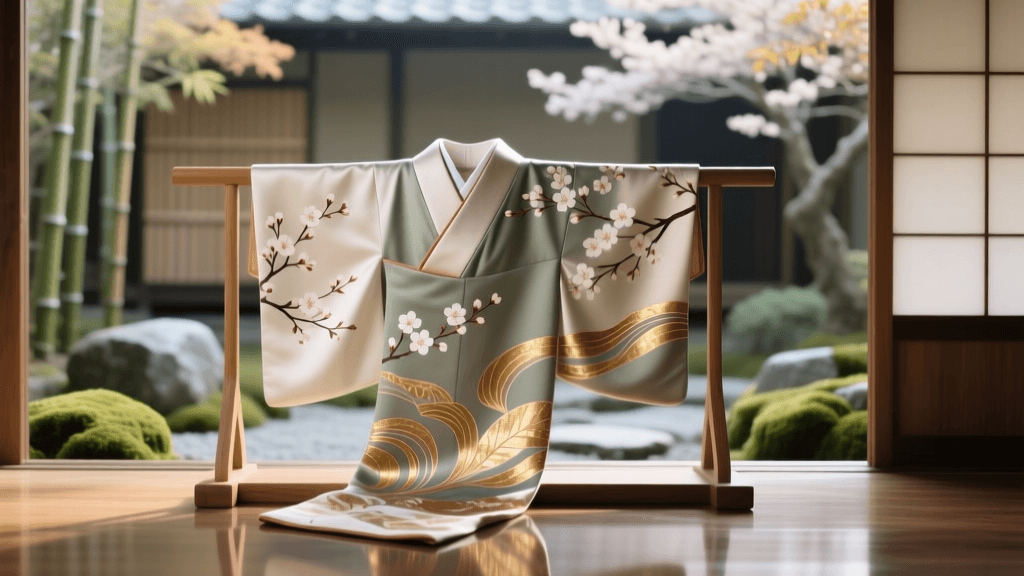
Originating from the Nishijin district of Kyoto, Nishijin-ori is a warp-faced brocade renowned for its intricate, multi-layered patterns and structural rigidity. Unlike standard printed silks, the designs in Nishijin-ori are woven directly into the fabric using pre-dyed threads, often incorporating metallic elements like gold leaf (kinpaku) and silver foil. According to the Ministry of Economy, Trade and Industry (METI), authentic Nishijin-ori must meet stringent traditional criteria, ensuring that the craft remains protected against modern industrial shortcuts.
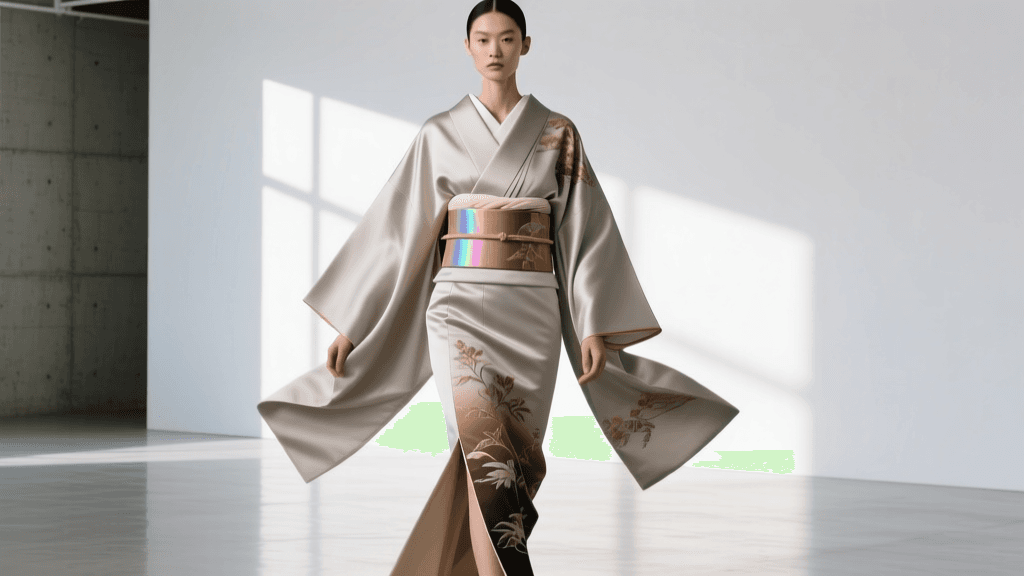
The defining characteristic of Nishijin-ori is its dense warp structure, which results in a heavier, stiffer fabric that holds its shape impeccably. This makes it the premier choice for formal kimono components, particularly the obi (sash) and the outer layers of the kurotomesode or furisode. In 2026, master weavers in Kyoto have integrated AI-assisted tension monitors on modernized Jacquard looms, allowing for even more complex geometric and nature-inspired motifs without compromising the historical integrity of the silk.
Because of its weight and stiffness, Nishijin-ori requires specialized tailoring. The fabric does not drape softly against the body; rather, it creates a sculptural, architectural silhouette. When commissioning a kimono from this textile, tailors typically use traditional silk thread basting and avoid permanent creasing, as the dense weave can retain fold lines permanently if stored incorrectly.
Shu Brocade: The Vibrant Soul of Sichuan
Shu Brocade (Shujin), hailing from the Sichuan province of China, boasts a history spanning over two millennia and is celebrated as one of China's 'Four Famous Brocades.' Recognized by the UNESCO Intangible Cultural Heritage lists, Shu brocade is distinguished by its weft-faced weaving technique and its breathtaking use of vibrant, saturated colors. While Nishijin-ori relies heavily on metallic threads and structural stiffness, Shu brocade is prized for its supple drape, lustrous satin-like finish, and intricate, colorful pictorial patterns.
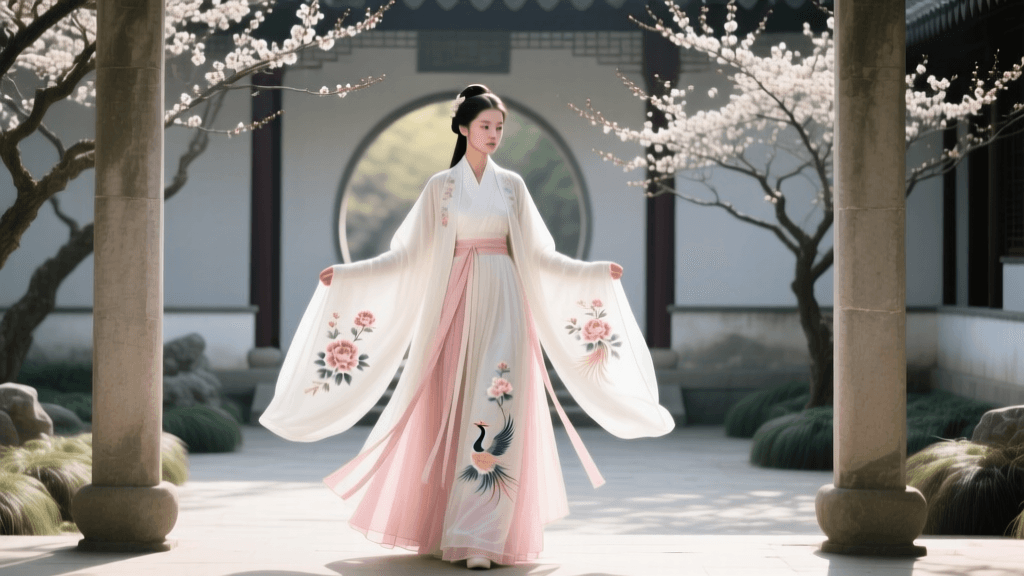
The weft-faced structure means that the horizontal threads create the pattern, allowing for a smoother, softer hand-feel that drapes beautifully over the body's natural curves. This makes Shu brocade the ultimate textile for the modern cheongsam (qipiao). In 2026, contemporary Chinese fashion houses are heavily favoring Shu brocade for everyday luxury cheongsams, as the fabric moves gracefully with the wearer and breathes better in humid climates compared to heavier Japanese brocades.
Master weavers of Shu brocade utilize traditional wooden draw-looms for premium, museum-grade commissions, though high-end commercial pieces are produced on advanced electronic looms that replicate the traditional weft-floating techniques. The color palettes in 2026 have expanded to include natural, plant-based dyes that offer a softer, more muted aesthetic, catering to the growing demand for understated elegance in modern Asian formalwear.
Head-to-Head Comparison: Nishijin-Ori vs. Shu Brocade
When selecting a textile for your traditional garment, it is crucial to match the fabric's physical properties with the intended use of the garment. The table below outlines the core differences between these two legendary silks based on 2026 market data and textile science.
| Feature | Nishijin-Ori (Japan) | Shu Brocade (China) |
|---|---|---|
| Weave Structure | Warp-faced brocade | Weft-faced brocade / Satin weave |
| Drape & Weight | Heavy, stiff, sculptural, architectural | Medium-weight, supple, fluid, soft drape |
| Primary Garment Use | Kimono Obi, Furisode, Uchikake | Cheongsam (Qipao), Mamianqun (Horse-face skirt) |
| Visual Aesthetic | Metallic threads, high contrast, textured | Vibrant colors, smooth luster, pictorial |
| 2026 Avg. Price (Per Yard) | $450 - $1,200+ (depending on gold leaf) | $180 - $450 (depending on loom type) |
| Climate Suitability | Best for cooler, dry climates; winter/autumn | Versatile; suitable for humid and warm climates |
Sourcing Authentic Heritage Silk in 2026
The proliferation of advanced synthetic blends in the global textile market means that sourcing authentic heritage silk requires vigilance. In 2026, counterfeiters use high-grade polyester filaments wrapped in thin silk threads to mimic the luster of genuine brocade. To ensure you are purchasing authentic Nishijin-ori, buyers must look for the official 'Traditional Craft Products' seal issued by the Japanese government, which guarantees the fabric was woven in the designated Kyoto districts using traditional methods.
For Shu brocade, authenticity is verified through the Intangible Cultural Heritage certification markers provided by authorized Sichuan weaving cooperatives. When purchasing online or from international boutiques, request a microscopic weave analysis report. Genuine Shu brocade will show irregularities in the natural silk fibers and traditional weft-floating patterns, whereas synthetic blends will appear uniformly perfect under magnification.
Another effective verification method utilized by bespoke tailors in 2026 is the UV fluorescence test. Authentic, naturally dyed heritage silks react differently to ultraviolet light compared to synthetic petrochemical dyes. While the traditional 'burn test' (smelling the ash for a scent similar to burnt hair) is still valid, it is destructive; UV testing allows buyers and tailors to verify the protein structure of the silk without damaging the precious yardage.
Modern Garment Construction and Tailoring Considerations
Working with heritage brocades requires a master tailor who understands the historical construction techniques of Asian garments. For a Nishijin-ori kimono, the fabric is cut in straight, geometric panels. The stiffness of the weave means that seams must be carefully basted and pressed using traditional rice-paste resists to prevent the metallic threads from fraying or snapping under tension. Tailors in 2026 are increasingly using silk organza interfacing to reinforce the collars and hems without adding synthetic stiffness that could degrade the silk over time.
Conversely, tailoring a cheongsam from Shu brocade requires an intimate understanding of bias cutting and dart manipulation. Because Shu brocade features a complex weft pattern, matching the motifs across the side seams and the iconic 'pankou' (frog closures) is a painstaking process that can take dozens of hours. Modern tailors utilize digital pattern-mapping software to ensure that the pictorial elements—such as blooming peonies or soaring cranes—align perfectly across the garment's structural lines, preserving the visual harmony of the textile.
Care and Preservation Protocols
Investing in heritage silk requires a commitment to meticulous preservation. Preservation guidelines from the Metropolitan Museum of Art's Asian Art Department emphasize that environmental control is the most critical factor in extending the lifespan of protein-based textiles. Both Nishijin-ori and Shu brocade must be stored in climate-controlled environments, ideally at 65°F (18°C) with a relative humidity of 45-55%. Fluctuations in humidity can cause the silk fibers to expand and contract, leading to the eventual shattering of the metallic threads in Nishijin-ori.
When it comes to cleaning, traditional dry cleaning solvents used in the early 2020s have largely been replaced by eco-friendly, liquid silicone-based cleaning methods and advanced ozone treatment chambers. Ozone cleaning is particularly beneficial for heritage brocades, as it eliminates odors, bacteria, and microscopic pests without the use of harsh chemicals or water immersion, which can cause the pre-dyed threads to bleed or the fabric to lose its structural memory.
For long-term storage, never hang a heavy Nishijin-ori kimono or a fully lined Shu brocade cheongsam, as the weight of the fabric will distort the shoulders and warp the weave. Instead, garments should be padded with acid-free, unbuffered tissue paper and folded loosely in archival-quality cotton storage boxes. By adhering to these 2026 preservation standards, collectors and wearers can ensure that these magnificent examples of Asian textile heritage remain vibrant and intact for generations to come.