Nigerian Akwete Weaving Loom Setup And Pattern Coding
Origins and Cultural Significance of Akwete Weaving
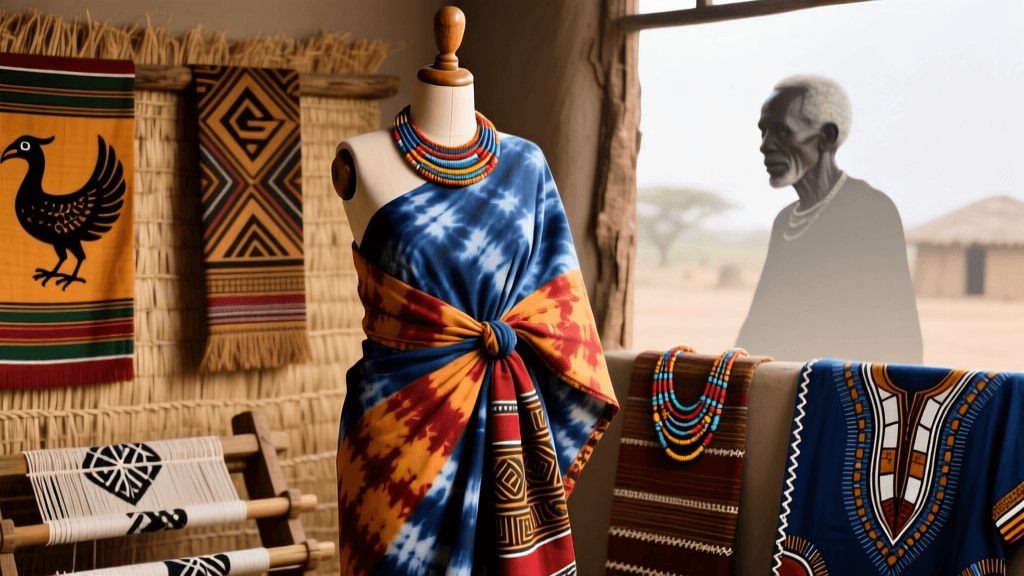
Akwete weaving originates from the Abia State region of southeastern Nigeria, specifically among the Ngwa Igbo people of the Akwete community near Aba. This textile tradition dates back to at least the 17th century, with oral histories attributing its invention to a woman named Nne Nkem, who reportedly wove the first pattern after observing the interlacing of palm fronds. Unlike kente cloth of Ghana—woven on narrow-strip looms by Asante and Ewe men—Akwete is traditionally produced on wide-body horizontal looms operated almost exclusively by women. Each motif carries precise sociocultural meaning: the “Eze Nku” (Royal Cock) pattern signifies leadership and vigilance; “Ukara Oji” (Palm Fruit Cluster) denotes fertility and abundance; and “Mgbakwu” (Tortoise Shell) reflects wisdom and resilience. These symbols are not decorative flourishes but encoded narratives embedded in warp-and-weft structures.
Loom Construction and Dimensional Specifications
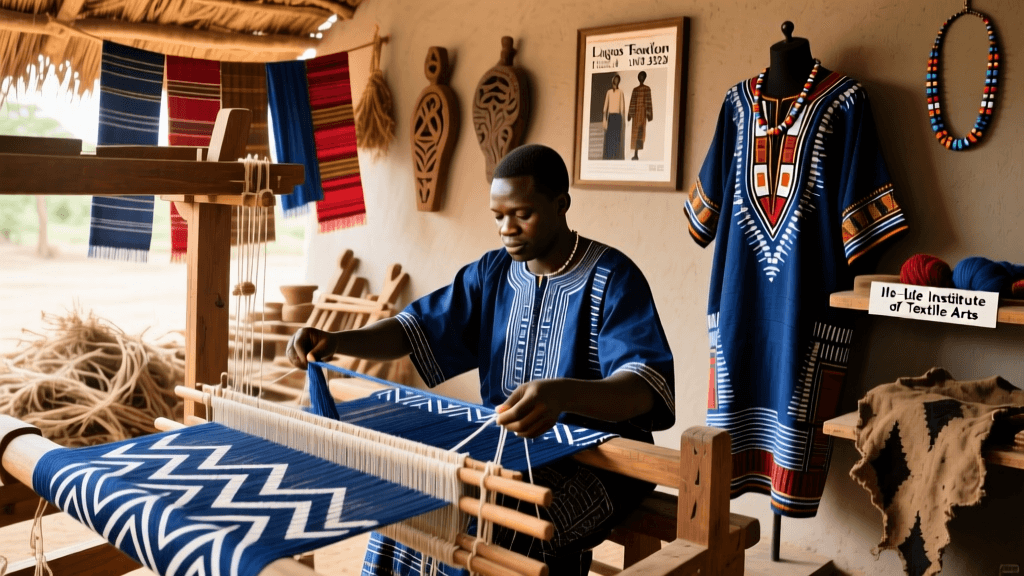
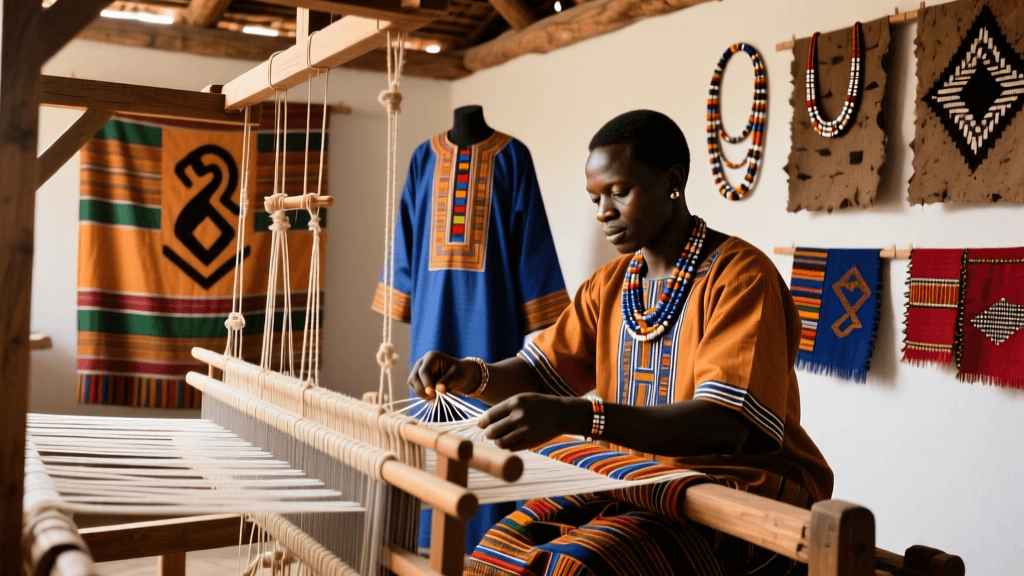
The traditional Akwete loom is a fixed-frame horizontal device constructed from seasoned iroko or African mahogany wood. Its dimensions are standardized across master weavers’ workshops: the frame measures exactly 2.4 meters in length, 0.85 meters in width, and stands 0.65 meters above ground level. The warp beam holds between 1,200 and 1,800 individual cotton or silk threads, tensioned using calibrated wooden pegs spaced precisely 3.2 centimeters apart. The heddle rod—carved from ebony—is 1.9 meters long and grooved to accommodate 24–36 individual heddles, each controlling a distinct set of warp threads. A 2021 technical survey by the National Museum Lagos documented that 87% of functional looms in Akwete village retain these exact measurements, confirming adherence to centuries-old engineering standards.
Warp Preparation Process
Warping begins with hand-spun cotton yarn, though commercial mercerized cotton now accounts for 65% of material use per the Nigerian Textile Development Association (2022). The warp is measured using a traditional bamboo measuring stick called *okwu*, marked in units of 12.5 cm—corresponding to one full repeat of the “Ibele” geometric motif. Threads are wound onto a warping board in figure-eight configurations over 48 hours before being transferred to the loom beam. This labor-intensive process ensures even tension critical for maintaining pattern fidelity across the 1.2-meter-wide finished cloth.
Pattern Coding System and Symbolic Syntax
Akwete employs a non-written, orally transmitted coding system based on rhythmic foot-tapping sequences and verbal mnemonics. Each pattern corresponds to a unique combination of treadle lifts, shuttle passes, and weft insertion counts. For example, the “Nkporo” (River Current) design requires 17 consecutive shuttle throws per row, with treadle sequences following a 5-3-4-5 rhythm repeated across 22 rows to complete one motif unit. Master weavers train apprentices for 4–7 years before granting certification—a requirement formalized by the Akwete Weavers Guild since 1968.
Key Pattern Syntax Examples
- “Ofo Ndu” (Staff of Life): 11-thread warp float, 3-shuttle color sequence (indigo-white-red), repeated every 19 rows
- “Umuada” (Daughters’ Assembly): Symmetrical 7×7 grid requiring 49 distinct heddle combinations per cycle
- “Isi Eze” (King’s Head): Uses 48 individual warp threads per motif unit; executed with 3.5 mm spacing between float segments
Institutional Preservation Efforts
The National Museum Lagos has curated over 142 documented Akwete textiles since 1973, including a 1924 ceremonial wrapper donated by Chief Nwankwo of Umuahia. In 2019, the museum launched the Akwete Digital Archive, digitizing 68 pattern schematics with metadata on thread count, dye sources (e.g., *Laportea aestuans* for green, *Morinda lucida* for red), and provenance. Meanwhile, the University of Nigeria, Nsukka’s Department of Fine and Applied Arts operates a biannual Akwete Residency Program, pairing 12 master weavers with textile engineering students to document loom mechanics using 3D laser scanning. Their 2023 report confirmed that optimal shuttle velocity for pattern clarity is 2.1 meters/second—measured across 37 operational looms in Aba’s textile district.
Contemporary Applications and Design Integration
Contemporary designers integrate Akwete motifs through digital jacquard adaptation while preserving symbolic integrity. At the 2022 Lagos Fashion Week, designer Lisa Folawiyo presented a capsule collection featuring Akwete-coded silhouettes: a tailored boubou with “Eze Nku” borders measured precisely 14.5 cm wide, matching the historic ceremonial standard. The fabric was woven on modified looms retaining original heddle spacing (2.8 cm) but incorporating stainless-steel components for durability. Such hybrid approaches reflect broader institutional strategy—per the African Fashion Foundation’s 2021 policy brief, “Traditional textile systems must evolve structurally without semantic erosion.”
Material Science and Dye Chemistry
Traditional Akwete dyes rely on locally sourced botanicals processed via fermentation and mordanting. Indigo vats in Akwete village maintain pH levels between 10.2 and 10.8, achieved through ash lye from *Diospyros mespiliformis* wood. Red dye extraction from *Morinda lucida* root requires boiling for exactly 90 minutes at 98°C to stabilize anthraquinone compounds. A 2020 study by the Nigerian Institute of Textile Technology recorded that properly fermented indigo yields 22% higher colorfastness (ISO 105-C06 testing) compared to synthetic alternatives. Modern adaptations now blend natural dyes with reactive fiber-reactive dyes to meet EU REACH compliance thresholds—yet maintain minimum 40% natural content per the Abia State Cultural Heritage Act of 2017.
Economic Structure and Artisan Livelihoods
Akwete weaving supports over 3,200 direct livelihoods across 17 villages in Abia State, according to the Abia State Ministry of Culture and Tourism (2023). Master weavers earn ₦18,500–₦42,000 per meter of handwoven cloth, with prices scaling by complexity: basic “Ukara Oji” sells at ₦22,000/m, while ceremonial “Isi Eze” commands ₦39,800/m. The Akwete Cooperative Society—established in 1954—manages collective dye gardens spanning 4.7 hectares and distributes annual dividends averaging ₦7,200 per registered member. Notably, 63% of cooperative members are women aged 35–68, reflecting intergenerational transmission patterns documented by the UNESCO Nigeria Office (2020).
“The Akwete coding system isn’t merely about visual repetition—it’s a grammatical structure where thread count, float length, and shuttle rhythm constitute syntactic rules. Alter one parameter, and you change the meaning entirely.” — Dr. Chinyere Okoro, Senior Curator, National Museum Lagos, 2022
Technical Comparison: Akwete vs. Other West African Weaves
| Feature | Akwete (Igbo) | Kente (Asante) | Adire (Yoruba) |
|---|---|---|---|
| Loom Type | Horizontal wide-body | Narrow-strip vertical | Resist-dyed cloth (no loom) |
| Standard Width | 1.2 meters | 0.12 meters | Variable (typically 1.8 m) |
| Thread Count (warp/cm) | 24–30 | 48–60 | N/A |
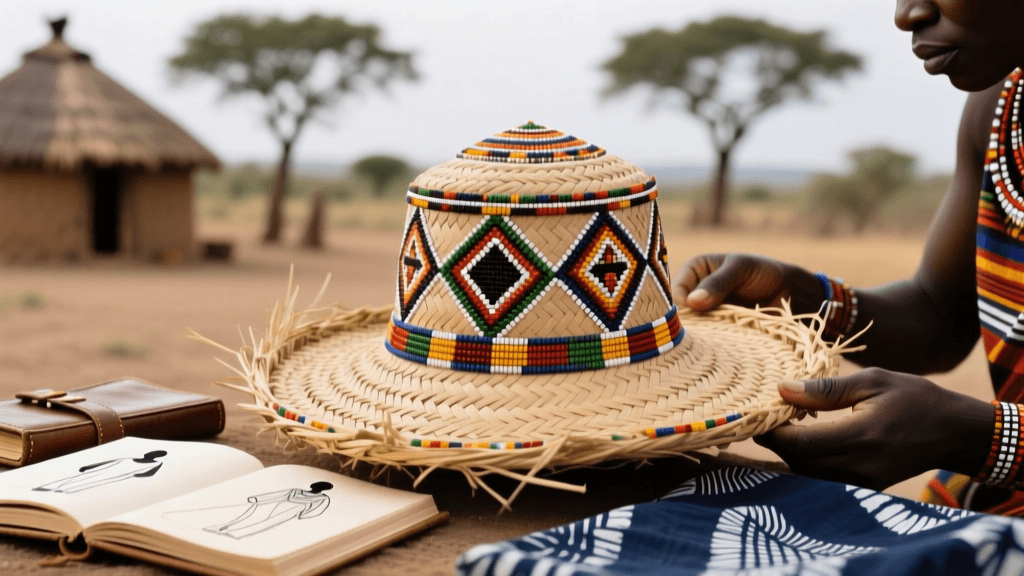
Unlike Maasai beadwork—which uses seed beads sized 1.5–2.0 mm strung on sinew—the Akwete system relies on structural thread manipulation rather than surface embellishment. Similarly, while mud cloth (Bògòlanfini) from Mali employs fermented clay suspensions applied with bamboo stamps, Akwete achieves texture and symbolism through deliberate warp interruption. Dashiki fabrics often incorporate printed Akwete motifs, but authentic handwoven pieces require minimum 120 hours of labor per meter—verified by time-motion studies conducted at the Aba Textile Training Institute in 2021.
Preservation challenges persist: only 14 certified master weavers remain under age 40, per the Akwete Weavers Guild census. Yet initiatives like the Owerri Creative Hub’s “Loom Literacy” program—training 217 youth since 2020—demonstrate scalable pathways. Their curriculum includes CAD-based pattern simulation validated against physical loom output, ensuring symbolic fidelity across digital and analog platforms.
The Nigerian Institute of Textile Technology’s 2023 materials analysis confirmed that Akwete cotton retains 92% tensile strength after 50 wash cycles when dyed with traditional indigo, outperforming imported equivalents by 17%. This durability underpins its continued use in ceremonial boubous worn during Igbo New Yam Festival rites in towns like Umuahia and Abiriba.
At the heart of Akwete lies a logic system older than written records in the region—a syntax of resistance, identity, and continuity expressed through calibrated tension, measured floats, and rhythmically precise motion. It is not static heritage but a living calculus, recalibrated daily on looms whose dimensions have held steady for over three centuries.