Sourcing Indigenous Textiles: NYC & LA Garment Districts 2026
The Intersection of Indigenous Design and American Fashion Hubs
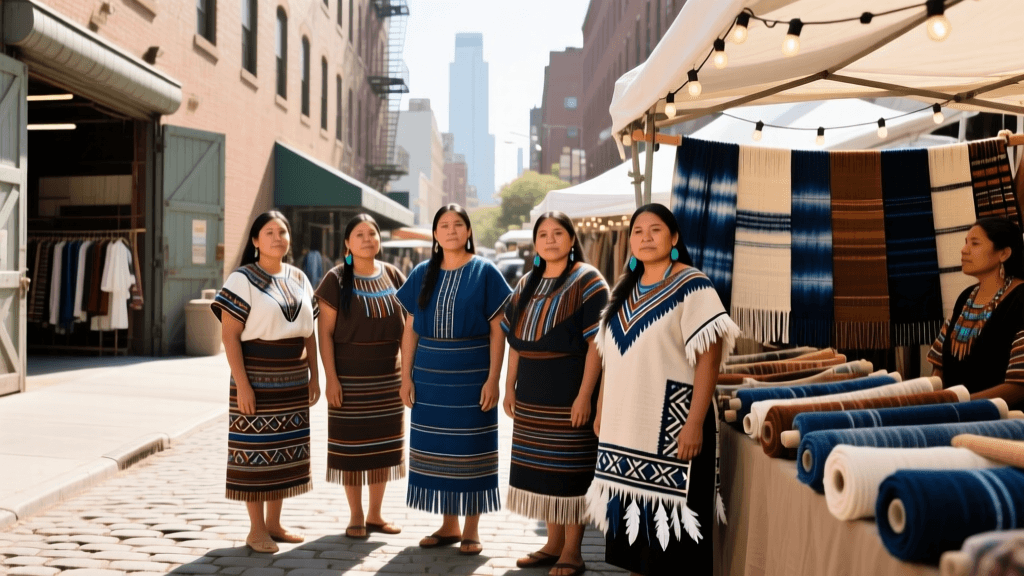
The landscape of Indigenous fashion in North America has evolved dramatically, moving from localized, community-based crafting to a thriving contemporary industry that honors ancestral traditions while embracing modern design. For Indigenous designers, traditional garment makers, and regalia creators, accessing high-quality raw materials is essential. While many traditional materials are harvested or traded within communities, the commercial backbone of North American textile sourcing remains rooted in major urban hubs. As of 2026, the New York City (NYC) Garment District and the Los Angeles (LA) Fashion District continue to serve as the premier destinations for sourcing the specialized fabrics, trims, and notions required for authentic Indigenous and traditional garments.
Whether you are constructing a traditional ribbon skirt, tailoring a Métis Capote, or developing a contemporary Indigenous streetwear line, knowing how to navigate these sprawling commercial districts is a vital skill. This comprehensive 2026 guide breaks down exactly where to go, what to look for, and how to ethically source materials in the two most important fashion hubs in the Americas.
The New York City Garment District: Sourcing in Midtown Manhattan
The NYC Garment District, historically bounded by 34th and 42nd Streets from east to west, and 5th and 9th Avenues from north to south, is a dense, vertical marketplace. According to the Save the Garment Center initiative, the district has successfully pivoted in 2026 to focus heavily on sustainable practices, deadstock fabrics, and specialized trimming suppliers, making it an invaluable resource for traditional garment makers.
Sourcing Broadcloth, Wool, and Trade Blankets
For traditional regalia, powwow dance outfits, and historical reenactment garments, the weight and drape of the fabric are paramount. Stores like Mood Fabrics (located on 38th Street) and B&J Fabrics offer extensive selections of wool melton and cotton broadcloth. In 2026, premium 24oz wool melton—essential for winter garments, Métis sashes, and heavy outerwear—averages between $45 and $60 per yard. When sourcing cotton broadcloth for ribbon skirts and shirts, look for 'First Quality' mercerized cotton, which offers the vibrant color saturation necessary for traditional appliqué work. Avoid 'seconds' or poly-blends, as they do not hold the crisp folds required for ribbon work.
The Trimming and Beadwork Corridors
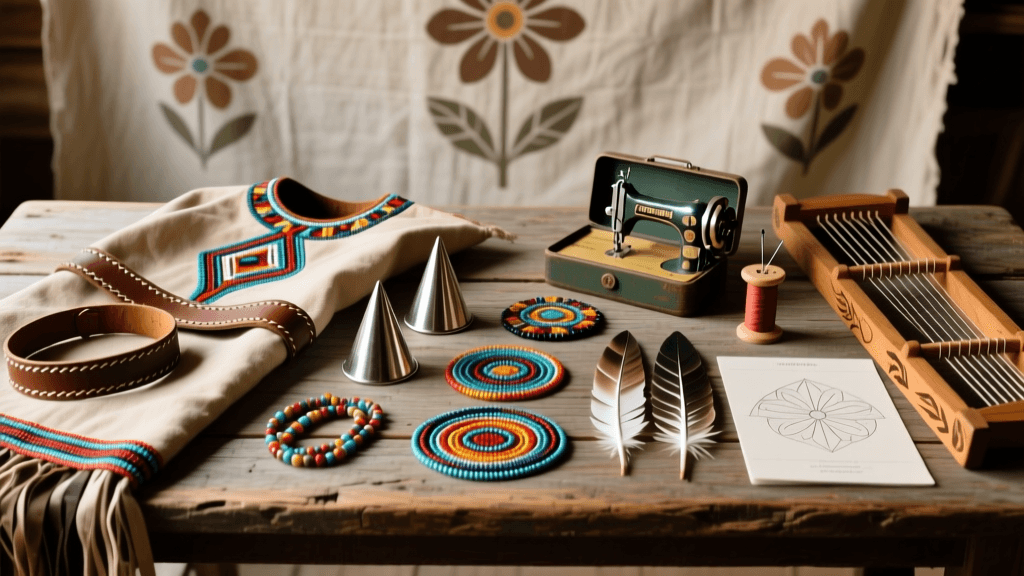
Indigenous garment making relies heavily on intricate trims. The 38th and 39th Streets in Manhattan are the undisputed hubs for ribbons, lace, and fringing. Stores specializing in silk and polyester ribbons carry the specific 1-inch and 2-inch widths required for traditional ribbon shirts and skirts. Furthermore, for beadwork suppliers, Manhattan hosts specialized bead shops carrying Japanese seed beads (such as Miyuki and Toho) in sizes 11/0 and 13/0 Charlotte cut, which are highly prized for their uniformity and light reflection in floral and geometric beadwork patterns.
The Los Angeles Fashion District: West Coast Textile Powerhouse
Spanning roughly from 3rd Street to 15th Street, and Main Street to San Pedro Street, the LA Fashion District is the epicenter of West Coast apparel manufacturing. The LA Fashion District official directory highlights the area's dominance in denim, heavy canvas, and Southwestern-inspired textiles. For Indigenous designers operating at the intersection of traditional craft and contemporary streetwear, LA offers unparalleled access to heavy-duty textiles.
Denim, Canvas, and Contemporary Indigenous Streetwear
Contemporary Indigenous fashion frequently utilizes heavy denim and canvas as a base for beadwork, embroidery, and painted motifs. The California Market Mart and the surrounding wholesale showrooms on 9th and 11th Streets are the best places to source raw, unwashed selvedge denim and 12oz to 14oz duck canvas. In 2026, many LA-based mills have introduced organic, water-less dyed denim, aligning perfectly with the Indigenous ethos of environmental stewardship and sustainability. Purchasing raw denim allows artists to treat, dye, and distress the fabric themselves, ensuring the final garment is a unique canvas for their cultural expression.
Southwestern Textiles and Ethical Considerations
While the LA district is famous for its 'Southwestern' and 'Aztec' print fabrics, Indigenous buyers must navigate this category with extreme caution. Many of these mass-produced prints are culturally appropriative, mimicking sacred patterns without permission or benefit to the originating tribes. Instead of buying pre-printed novelty fabrics, the 2026 best practice for Indigenous designers is to source high-quality, unbleached natural cottons and linen blends, and then apply authentic, community-led weaving, quillwork, or beadwork to the raw material.
Comparison Chart: NYC vs. LA Garment Districts (2026)
| Feature | NYC Garment District | LA Fashion District |
|---|---|---|
| Primary Focus | High fashion, specialized trims, silk, wool | Streetwear, denim, canvas, activewear |
| Best For Indigenous Makers | Ribbon work, beadwork supplies, melton wool | Heavy canvas, raw denim, contemporary bases |
| Average MOQ (2026) | Low (often 5-10 yards for retail) | High (wholesale rolls, 50+ yards common) |
| Transit Hub | Penn Station / 34th St Herald Sq | Metro Fashion District Station |
| Key Streets | 38th St (Trims), 39th St (Fabrics) | 9th St (Denim), 11th St (Showrooms) |
Ethical Sourcing and Protecting Cultural Intellectual Property
As the demand for Indigenous-inspired fashion grows, so does the prevalence of counterfeit materials and appropriated designs in major wholesale districts. The National Museum of the American Indian and various Indigenous arts organizations continuously advocate for the protection of cultural intellectual property. When sourcing in NYC or LA, it is crucial to differentiate between authentic, Indigenous-owned textile mills and mass-market manufacturers producing 'tribal' knock-offs.
In 2026, a major movement within the Americas & Indigenous fashion community involves 'traceable sourcing.' Designers are increasingly demanding transparency from fabric wholesalers regarding the origin of their fibers. For example, sourcing wool from traceable, regenerative ranches in the American West or Navajo-Churro sheep cooperatives ensures that the materials align with Indigenous values of land stewardship. When visiting fabric jobbers in the garment districts, always ask for the 'greige goods' origin (the unbleached, unfinished fabric) to ensure you are not inadvertently purchasing materials produced through exploitative labor practices.
Practical Tips for Navigating the Districts in 2026
Whether you are a seasoned buyer or a first-time designer sourcing materials for a powwow regalia set, the garment districts can be overwhelming. Here are actionable, up-to-date strategies for your 2026 sourcing trips:
- Timing is Everything: Wholesale showrooms open early. Arrive by 8:30 AM to beat the lunch rush and secure time with floor managers who can help you locate specific deadstock rolls of broadcloth or melton.
- Understand the 2026 Pricing Shifts: Due to recent shifts in global shipping tariffs and a push for domestic eco-friendly manufacturing, natural fibers like 100% linen and organic cotton have seen a 12% price increase since 2024. Budget accordingly, and always ask if the quoted price is for 'cut yardage' or 'full roll' pricing.
- Bring the Right Gear: The streets of Midtown Manhattan and Downtown LA are unforgiving. Bring a heavy-duty rolling cart with stair-climbing wheels, fabric shears for on-the-spot swatching, and a digital tape measure. Many traditional fabrics shrink significantly; always buy 15% more yardage than your pattern requires to account for pre-washing.
- Cash vs. Digital Payments: While most major showrooms in 2026 accept digital B2B payments and corporate cards, many smaller, family-owned trimming shops in NYC still offer a 5% to 10% discount for cash transactions on smaller notions like glass beads, sinew, and specialized ribbons.
- Request Swatch Books: If you are designing a seasonal collection of contemporary Indigenous apparel, do not buy full rolls on your first visit. Request swatch books or purchase 'memo yards' to test the fabric's reaction to beadwork tension and embroidery hooping.
Conclusion
The NYC and LA Garment Districts remain indispensable arteries for the Indigenous fashion and traditional garment community. By understanding the unique strengths of each hub—from the intricate trimming shops of Manhattan to the heavy-duty denim showrooms of Los Angeles—Indigenous makers can source materials that honor their heritage while pushing the boundaries of contemporary design. As we move through 2026, the commitment to ethical, traceable, and authentic sourcing ensures that the garments created in these bustling districts will continue to tell the true, enduring stories of the Americas.