Authentic Oaxacan Zapotec Huipil Brocade: 2026 Buyer Guide
The Enduring Legacy of the Oaxacan Huipil
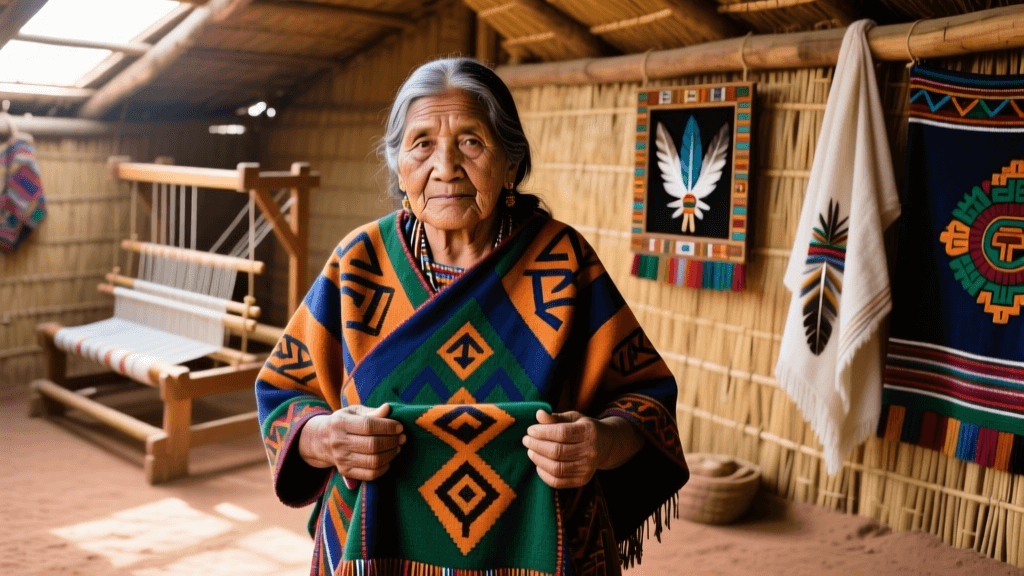
The traditional garments of Latin America represent a profound intersection of history, identity, and resistance. Among the most iconic and technically complex of these garments is the Oaxacan huipil, a traditional tunic-like dress worn by Indigenous women across southern Mexico. As we navigate the global fashion landscape in 2026, the demand for authentic, ethically sourced Latin American traditional garments has reached an all-time high. Collectors, slow-fashion advocates, and cultural preservationists are increasingly turning their attention to the intricate backstrap-woven textiles of Oaxaca's Zapotec and Mixtec communities.
However, this surge in popularity has also led to a market saturated with mass-produced imitations and culturally appropriative designs. For the conscious buyer in 2026, understanding the difference between a genuine, handwoven Zapotec huipil and a factory-made replica is essential. This guide provides an in-depth look at the techniques, symbolism, and ethical sourcing practices required to acquire an authentic Oaxacan textile today.
Understanding Backstrap Brocade (Trama Suplementaria)
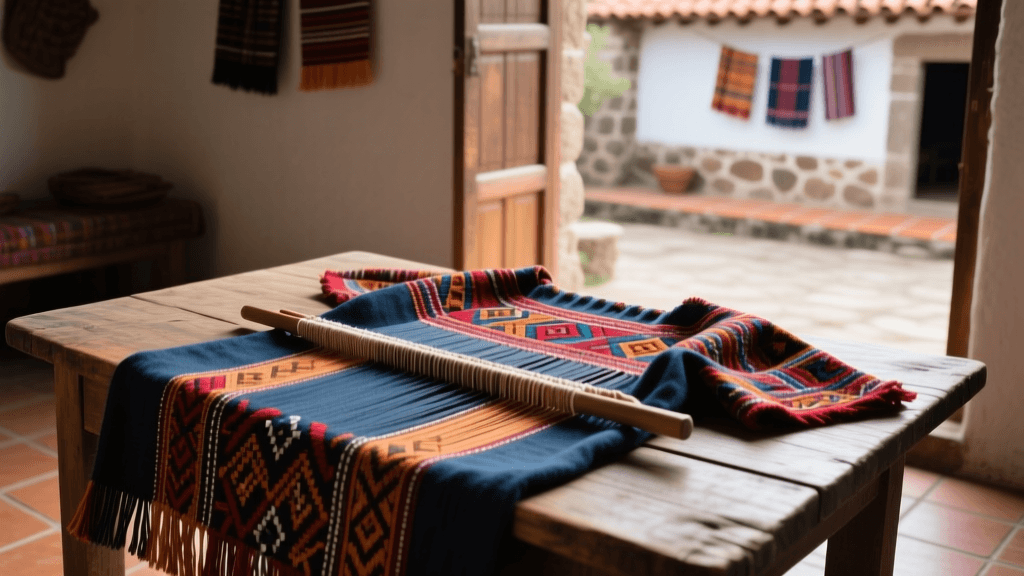
The soul of an authentic Oaxacan huipil lies in its creation on the telar de cintura, or backstrap loom. This pre-Columbian technology relies entirely on the weaver's body to maintain tension. One end of the loom is tied to a sturdy post or tree, while the other is secured around the weaver's lower back. By leaning forward or backward, the artisan controls the warp threads with microscopic precision.
The most prized huipils feature trama suplementaria, a supplementary weft brocade technique. Unlike embroidery, which is stitched onto a finished piece of fabric, brocade involves weaving the decorative patterns directly into the textile as it is being created on the loom. The weaver uses a small stick to manually pick and raise specific warp threads, passing the brightly colored supplementary weft yarn through the shed. This process is incredibly labor-intensive; a single masterwork huipil can take anywhere from three to six months of daily weaving to complete.
The Alchemy of Natural Dyes
In 2026, the revival of natural dyeing techniques is a major hallmark of high-end, authentic Oaxacan textiles. Master dyers in regions like Teotitlán del Valle and the surrounding Zapotec villages utilize ingredients that have been harvested locally for centuries:
- Cochineal (Dactylopius coccus): A parasitic insect found on the nopal cactus. When dried and ground, it yields a brilliant crimson. By altering the pH with lime juice or wood ash, artisans can shift the color palette to vibrant oranges, deep purples, and soft pinks.
- Indigo (Añil): Sourced from the leaves of the indigofera plant, this dye requires a complex fermentation process in clay pots to create its signature deep blues.
- Marigold (Cempasúchil) and Pecan Shells: Used to achieve warm yellows, ochres, and rich earthy browns.
Textiles dyed with these organic materials possess a distinct, slightly earthy scent and a visual depth that synthetic aniline dyes simply cannot replicate.
Symbolism Woven into the Cosmos
The motifs found on a Zapotec huipil are not merely decorative; they are a visual language. The most common motif is the diamond, which represents the four cardinal directions and the cyclical journey of the sun. You will also frequently see the double-headed eagle, a fascinating example of cultural syncretism that blends pre-Columbian mythology with Spanish colonial heraldry. Other common motifs include the grecas (stepped frets) representing the mountains and the wind, and stylized agave plants symbolizing sustenance and life. When you purchase an authentic huipil, you are acquiring a wearable codex of Indigenous cosmology.
2026 Market Landscape and Pricing Guide
As of 2026, the push for the Mexican Federal Law for the Protection of the Cultural Heritage of Indigenous and Afro-Mexican Peoples has drastically reduced the presence of plagiarized textiles in high-end boutiques. Furthermore, artisan cooperatives have successfully advocated for fair-trade pricing models that reflect the true time and skill invested in each garment. Buyers must be prepared to pay prices that sustain the livelihoods of these master weavers.
| Garment Type | Technique | Dye Source | Estimated 2026 Price (USD) | Production Time |
|---|---|---|---|---|
| Daily Use Huipil | Pedal Loom (Plain Weave) | Synthetic / Commercial | $45 - $90 | 3-5 Days |
| Festive Huipil | Backstrap (Simple Brocade) | Mixed (Natural & Synthetic) | $180 - $350 | 1-2 Months |
| Ceremonial Huipil | Backstrap (Complex Brocade) | 100% Natural (Cochineal/Indigo) | $450 - $800 | 3-4 Months |
| Masterwork Bridal Huipil | Backstrap (Heirloom Brocade) | Natural Dyes & Silk Threads | $1,200 - $2,500+ | 5-8 Months |
How to Identify Authentic Handwoven Textiles
Navigating the markets of Oaxaca City or browsing online Latin American textile vendors requires a trained eye. Here is how to verify the authenticity of a Zapotec huipil in 2026:
- Examine the Selvedge: A true backstrap-woven textile will have perfectly finished, natural edges (selvedges) where the warp threads loop back. If the edges are cut and hemmed with a sewing machine, it was likely woven on a mechanized pedal loom or is a factory-printed imitation.
- Look for Irregularities: Hand-spun cotton and manual tensioning result in microscopic variations in the weave. A textile that is mathematically perfect is almost certainly machine-made.
- The 'Wrong' Side of the Fabric: In true trama suplementaria brocade, the back of the textile will show long 'floats' of the supplementary yarn where it skips across the warp. Machine embroidery will show a dense, uniform backing of stitches.
- Check the Width: A backstrap loom is limited by the reach of the weaver's arms. Authentic huipils are typically woven in narrow panels (usually 12 to 18 inches wide) and then meticulously hand-sewn together using a decorative randa stitch. A single, wide piece of unseamed fabric is a red flag for pedal-loom or industrial production.
Ethical Sourcing and Supporting Artisan Cooperatives
The most critical aspect of collecting Latin American traditional garments in 2026 is ensuring your purchase directly benefits the Indigenous creators. The exploitation of Zapotec and Mixtec weavers by middlemen has been a historical issue, but the rise of digital cooperatives and certified fair-trade organizations has shifted the balance of power.
When sourcing, prioritize purchases from established cultural institutions and artisan-led collectives. The Museo Textil de Oaxaca is an invaluable resource, frequently hosting pop-up markets and maintaining directories of verified master artisans. Additionally, looking for pieces certified by the Fondo Nacional para el Fomento de las Artesanías (FONART) ensures that the textile has been vetted for traditional techniques and fair compensation. For international buyers, researching vendors partnered with the Smithsonian Center for Folklife and Cultural Heritage or similar global heritage NGOs can provide an extra layer of ethical assurance.
Caring for Your Handwoven Garment
An authentic, naturally dyed huipil is an heirloom investment that requires specialized care to preserve its structural integrity and color vibrancy. Never machine wash or dry clean these textiles, as the harsh chemicals and agitation will destroy the hand-spun fibers and cause the cochineal dyes to bleed.
Instead, hand wash the garment in cool water using a pH-neutral detergent, such as specialized textile wash or mild baby shampoo. Gently agitate the water with your hands, but avoid rubbing or wringing the fabric, which can distort the brocade patterns. Rinse thoroughly in cool water and press out excess moisture by rolling the huipil in a clean, dry towel. Always dry the garment flat in a shaded, well-ventilated area; direct sunlight will rapidly fade the organic indigo and marigold dyes. When storing, fold the huipil with acid-free tissue paper to prevent deep creases, and keep it in a breathable cotton bag away from direct light and humidity.
Conclusion
Sourcing an authentic Oaxacan Zapotec huipil in 2026 is an act of cultural preservation. By understanding the immense labor of backstrap brocade, recognizing the alchemy of natural dyes, and committing to ethical purchasing channels, collectors and enthusiasts can help ensure that these magnificent textile traditions continue to thrive for generations to come. When you drape a genuine huipil over your shoulders, you are not just wearing a garment; you are honoring a living, breathing history.