Neo-Heritage Cheongsam and Hanbok in 2026 Fashion Media
The Rise of Neo-Heritage in 2026 Global Editorials
In the landscape of 2026 global fashion media, the representation of Asian traditional garments has undergone a profound and necessary evolution. No longer relegated to costume departments or stereotypical cinematic tropes, the cheongsam (qipao) and the hanbok are now celebrated as living, breathing haute couture. Leading publications like Vogue, Harper's Bazaar, and Elle have embraced the 'Neo-Heritage' movement—a styling and design philosophy that respects the historical architecture of traditional Asian dress while integrating it seamlessly into contemporary luxury and streetwear narratives.
This shift is not merely aesthetic; it is deeply cultural. Fashion editors and stylists in 2026 are working hand-in-hand with cultural historians and indigenous artisans to ensure that every editorial spread tells a story of authentic appreciation. The modern fashion consumer demands transparency, provenance, and respect. Consequently, the global fashion media has responded by showcasing the intricate craftsmanship of Asian garments, highlighting the meticulous construction techniques that have been passed down through generations, and positioning them at the absolute pinnacle of global luxury.
Deconstructing the 2026 Neo-Cheongsam
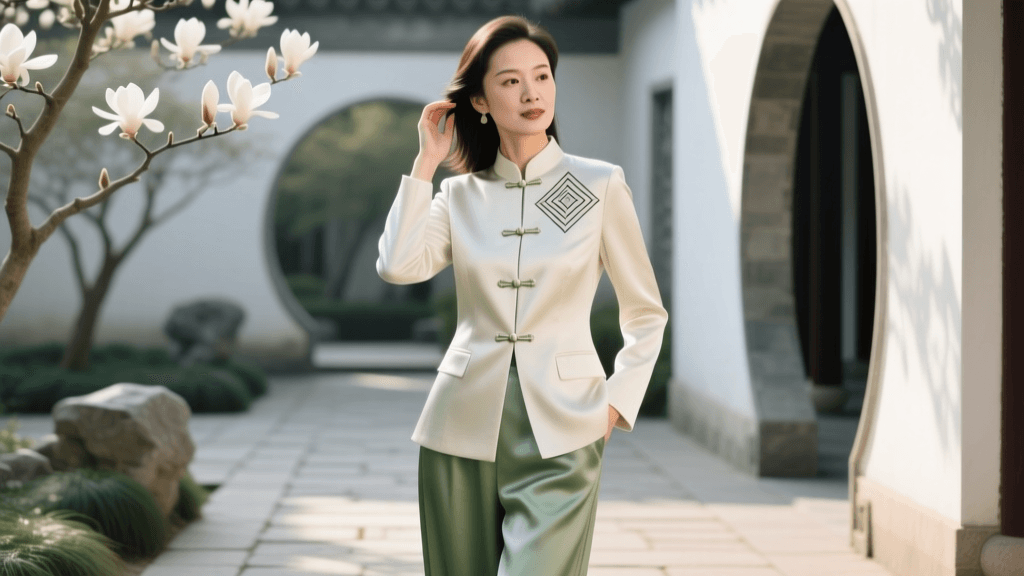
The cheongsam, historically a symbol of 20th-century Shanghai modernity, has been radically reimagined for the 2026 editorial season. Contemporary designers are moving away from the rigid, mass-produced polyesters of the past decade, opting instead for sustainable, high-performance textiles. In recent high-fashion editorials, we are seeing the use of lab-grown peace silk, cupro blends, and even smart-textiles that adapt to the wearer's body temperature.
One of the most striking innovations featured in this year's media coverage is the advent of 3D-printed frog buttons (pankou). Traditional pankou are hand-woven from silk cords, a process that takes hours. In 2026, avant-garde designers are utilizing biodegradable TPU filaments to 3D-print intricate, structural frog buttons that cost approximately $45 per set and offer a modern, architectural edge to the classic mandarin collar. Furthermore, the silhouette has been adapted for modern mobility; the traditional side slits are now often reinforced with hidden magnetic closures, allowing for dynamic movement during high-energy editorial shoots without compromising the garment's modesty or structural integrity.
Traditional vs. Neo-Heritage Cheongsam Features in 2026 Media
| Feature | Traditional Cheongsam | 2026 Neo-Heritage Editorial | Media Styling Impact |
|---|---|---|---|
| Collar Height | 2 to 3 inches, rigid | 1.5 inches, ergonomic curved cut | Prevents neck strain during long shoots |
| Fastenings | Hand-woven silk pankou | 3D-printed TPU or magnetic snaps | Allows quick wardrobe changes on set |
| Fabric | Brocade, heavy silk | Cupro-silk blends, smart-textiles | Provides fluid drape for motion blur photography |
| Slit Construction | Open side seams | Hidden magnetic mesh overlays | Maintains silhouette integrity in wind |
The Hanbok’s Silhouette on the Global Runway
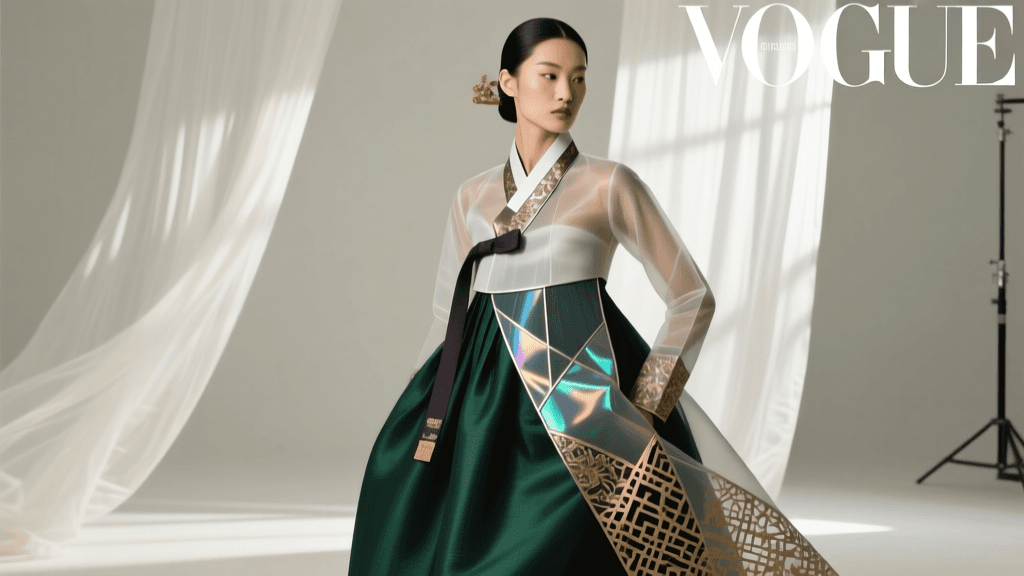
Parallel to the cheongsam's evolution, the Korean hanbok has experienced a massive surge in global fashion media visibility throughout 2026. The hanbok's defining characteristic—its voluminous, bell-shaped silhouette created by the chima (skirt) and the cropped jeogori (jacket)—offers a masterclass in proportion and spatial design. Global fashion houses are increasingly looking to the hanbok's structural genius to inform their ready-to-wear and couture collections.
In recent editorial spreads, stylists are highlighting the goreum (the long, flowing ribbon used to tie the jeogori). Historically a functional fastener, the 2026 neo-heritage hanbok treats the goreum as a dramatic, sweeping accessory. Fashion photographers are utilizing high-speed fans to capture the kinetic energy of the goreum and the chima, emphasizing the garment's inherent relationship with wind and movement. According to the National Museum of Korea, the historical significance of the hanbok's vibrant colors (obangsaek) and natural curves is deeply tied to Korean philosophy and harmony with nature, a narrative that 2026 fashion journalists are carefully preserving in their accompanying editorial copy.
Moreover, contemporary Korean designers are leading this charge, ensuring that the global media's fascination with the hanbok remains rooted in authentic cultural stewardship rather than superficial exoticism. By controlling the narrative and the supply chain, these designers are providing global magazines with garments that are both historically resonant and fiercely modern.
Actionable Styling Rules for the Modern Editorial
For fashion stylists, creative directors, and enthusiasts looking to incorporate the neo-heritage cheongsam and hanbok into 2026 editorial or personal styling, a nuanced approach is required. The goal is to create a dialogue between the traditional and the contemporary, avoiding pastiche. Here are the core styling rules dominating the 2026 fashion media landscape:
- The Rule of Proportional Contrast: When styling a voluminous hanbok chima, contrast it with a highly structured, tailored upper garment. In 2026 editorials, it is common to see a traditional silk chima paired with an oversized, sharp-shouldered wool blazer or a cropped leather moto jacket. This juxtaposition grounds the ethereal volume of the skirt in urban reality.
- Footwear as an Anchor: Abandon the traditional embroidered silk slippers for high-fashion editorial contexts. Instead, style the neo-cheongsam with chunky, lug-sole leather boots or architectural, 3D-printed heels. The visual weight of modern footwear balances the sleek, columnar silhouette of the qipao, creating a striking visual tension that photographs beautifully.
- Minimalist Jewelry Pairings: The intricate pankou knots of the cheongsam and the sweeping goreum of the hanbok are themselves acts of adornment. 2026 styling dictates a strict minimalist approach to jewelry. Opt for single, sculptural ear cuffs or a solitary, heavy metal bangle. Avoid layered necklaces, which compete with the mandarin collar and disrupt the clean lines of the jeogori's V-neck.
- Textural Layering: For autumn and winter editorials, layer the hanbok using tonal textural contrast. A sheer, organza jeogori worn over a matte, ribbed-knit turtleneck creates depth and modernizes the traditional layering system, making it highly relevant for contemporary street-style photography.
Cultural Appreciation in Fashion Journalism
The most significant shift in 2026 is not just how these garments look, but how they are written about. The fashion media has largely moved past the era of cultural appropriation, entering an era of rigorous cultural appreciation. Major publications now employ dedicated cultural consultants and Asian fashion historians to review editorial concepts before a single garment is pulled from the archives.
This journalistic integrity ensures that the profound history of these textiles is communicated accurately to the global audience. As noted by the Victoria and Albert Museum in their extensive archives on Asian dress, the construction of these garments is inextricably linked to regional histories, trade routes, and social hierarchies. Modern fashion journalism in 2026 embraces this complexity, using long-form editorial captions and embedded digital media to educate readers on the provenance of the silk, the meaning of the embroidered motifs (such as the peony for wealth or the crane for longevity), and the specific regional variations of the cut.
Furthermore, industry watchdogs and platforms like the Business of Fashion continuously monitor and report on how luxury conglomerates engage with Asian heritage, holding brands accountable for their supply chains and design credits. This transparency has fostered a healthier, more respectful ecosystem where Asian traditional garments are celebrated for their true worth: as masterpieces of global design heritage.
The Future of Asian Garments in Western Media
As we look toward the latter half of 2026 and beyond, the integration of the neo-heritage cheongsam and hanbok into global fashion media is no longer a passing trend; it is a permanent fixture of the luxury landscape. The collaboration between traditional artisans and avant-garde designers has created a new vocabulary of dress that transcends borders. By prioritizing cultural respect, sustainable innovation, and bold stylistic juxtapositions, the fashion media has finally given these magnificent garments the global platform they have always deserved, ensuring their legacy will continue to inspire generations of designers and wearers alike.