Neo-Hanbok & Qipao in 2026 Global Fashion Editorials
The 2026 Shift: From Appropriation to Authentic Collaboration
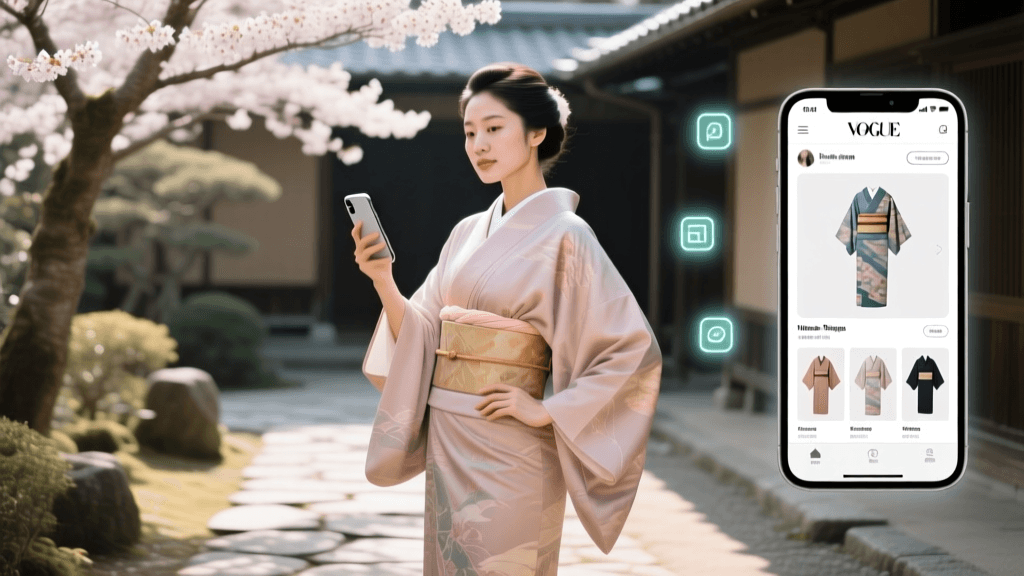
Global fashion media has undergone a radical transformation in how it portrays Asian traditional garments. As we navigate the Spring and Summer 2026 editorial seasons, premier publications like Vogue, Harper's Bazaar, and Elle have decisively moved past superficial exoticism. Instead, they are championing authentic collaborations with Asian designers who are redefining the neo-hanbok and the modern qipao. This shift is not merely aesthetic; it represents a profound cultural reclamation. According to historical archives maintained by the Victoria and Albert Museum's Asian collections, garments like the hanbok and qipao possess centuries of intricate structural and symbolic history. In 2026, global fashion editorials are finally honoring this heritage while pushing the boundaries of contemporary silhouette and textile innovation.
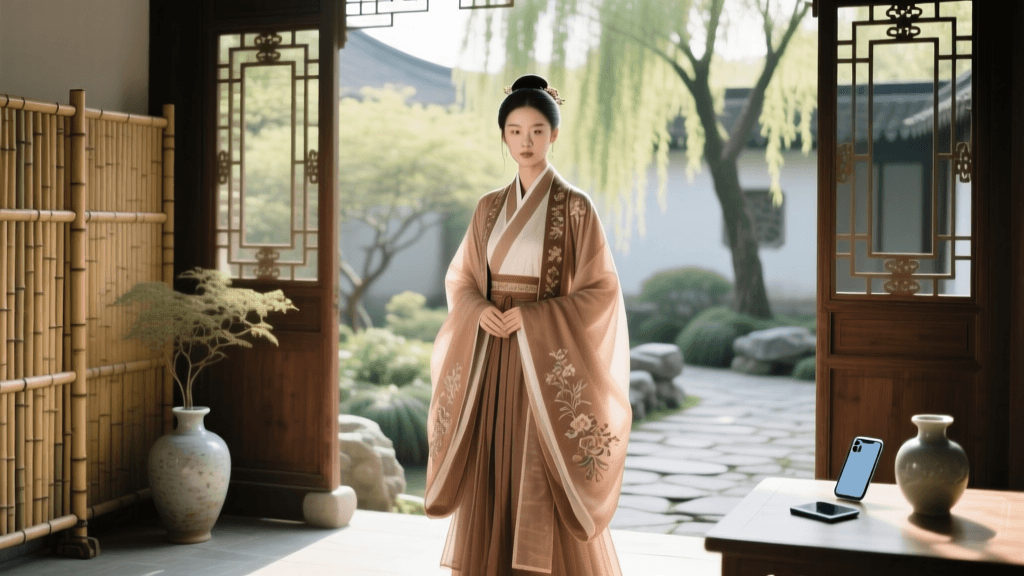
The intersection of traditional dress and high fashion is frequently explored by institutions like The Metropolitan Museum of Art's Costume Institute, which notes that true sartorial innovation occurs when historical construction techniques are preserved rather than erased. In 2026, editorial stylists are working directly with heritage artisans in Seoul, Shanghai, and Hangzhou to source authentic textiles, ensuring that the garments featured on global magazine covers respect their origins while speaking to a modern, cosmopolitan audience.
Key 2026 Editorial Trends for Traditional Asian Garments
1. The Deconstructed Jeogori
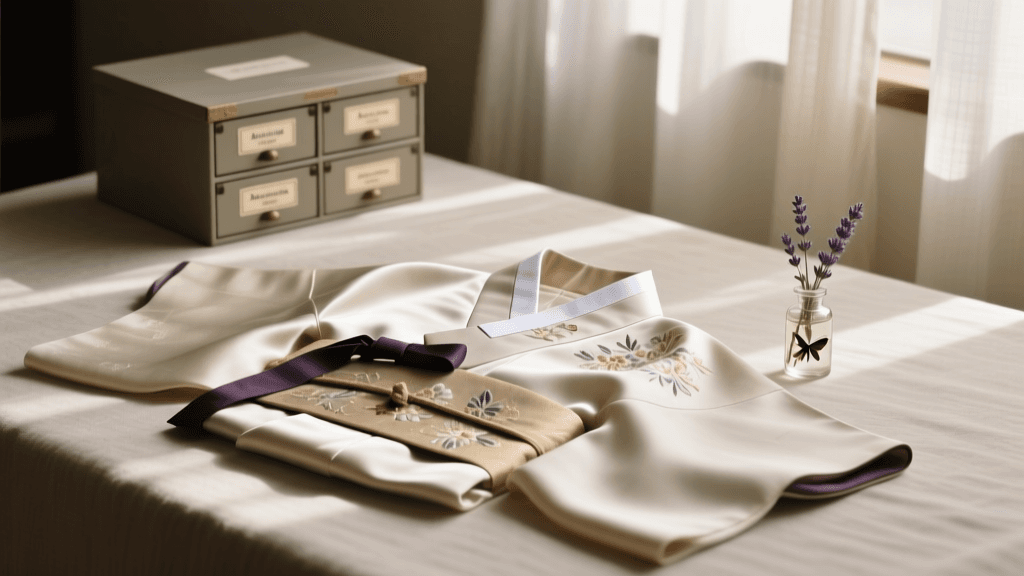
The traditional Korean jeogori (the upper garment of the hanbok) has been heavily featured in 2026 Paris and Milan editorials. Designers are retaining the iconic curved baerae (sleeve shape) and the goreum (chest tie), but experimenting with asymmetric hemlines and sheer, upcycled organza overlays. The 2026 editorial consensus favors a cropped silhouette, typically measuring 18 to 22 inches in length, designed to sit precisely at the natural waistline.
2. The Architectural Qipao Collar
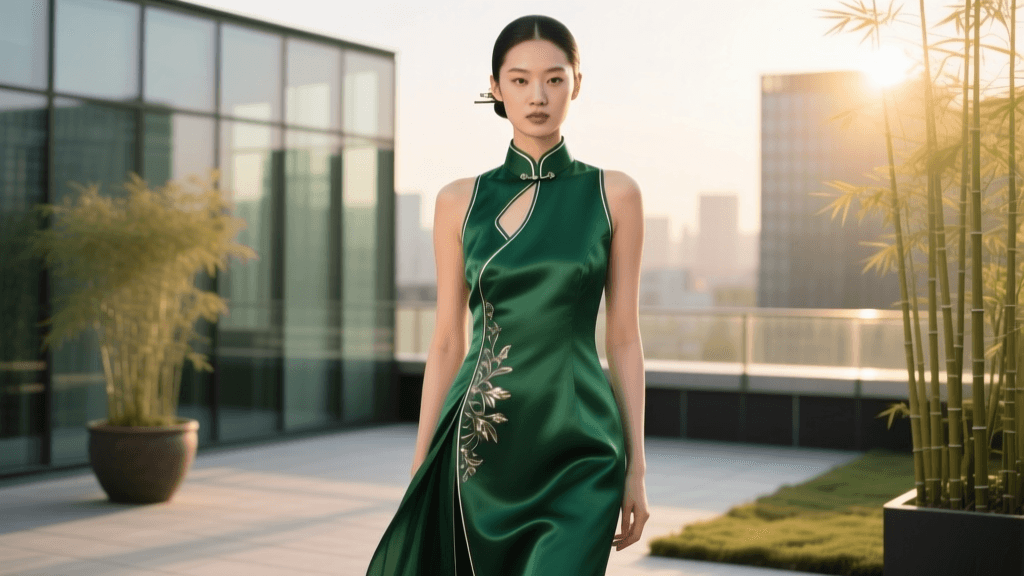
The modern qipao (or cheongsam) in 2026 media is defined by its structural rigidity. The traditional Mandarin collar has been elevated using internal bio-resin boning, allowing the collar to stand sharply at 2.5 inches without the discomfort of traditional wire. Editorials are pairing these architectural necklines with fluid, sustainable ramie skirts, creating a striking contrast between structured bodices and flowing lower halves.
3. Sustainable Silk and Ramie Blends
Sustainability is no longer an afterthought in Asian traditional fashion. Market data from Business of Fashion's luxury market analysis indicates that in 2026, consumer demand for heritage-inspired Asian luxury goods utilizing eco-friendly textiles has grown by over 28% year-over-year. Editorials are heavily featuring peace silk (ahimsa silk) and naturally dyed ramie, highlighting the rich, slubbed textures that these traditional fibers provide under high-definition studio lighting.
2026 Media-Featured Designers vs. Heritage Elements
The following table breaks down how top designers are balancing heritage construction with 2026 editorial demands, alongside current market pricing for their ready-to-wear pieces.
| Designer / Brand | Garment Focus | Heritage Element Retained | 2026 Editorial Twist | Approx. Retail Price (USD) |
|---|---|---|---|---|
| Danha (Seoul) | Neo-Hanbok | Jeogori curved sleeves & goreum ties | Asymmetric hemlines, upcycled organza | $850 - $1,400 |
| Samuel Guì Yang | Modern Qipao | Mandarin collar & side frog closures | Deconstructed waist, sustainable ramie | $1,200 - $2,100 |
| Minju Kim | Hanbok Fusion | Chima (skirt) volumetric pleating | Oversized tiered tulle, streetwear pairing | $900 - $1,600 |
| Shanghai Tang (2026 Revival) | Contemporary Qipao | Silk brocade & traditional motifs | Modular detachable collars, matte finishes | $1,500 - $3,000 |
How to Style Editorial Asian Garments for Everyday Wear
Translating high-fashion editorial concepts into wearable, everyday outfits requires an understanding of proportion, texture, and modern styling techniques. Here is your actionable guide to styling the 2026 neo-hanbok and qipao trends.
Mastering Proportions with the Neo-Hanbok
When styling a cropped 2026 jeogori, balance is paramount. Because the top is voluminous and short, pair it with high-waisted, wide-leg trousers that feature a 32-inch to 34-inch inseam. Opt for tailored wool or heavy crepe fabrics for the trousers to ground the lightness of the hanbok silk. Ensure the trousers sit exactly at the narrowest part of your waist, allowing the goreum ties to drape naturally over the waistband without tangling.
Footwear Pairings for the Modern Qipao
The 2026 editorial approach to qipao footwear has abandoned the traditional stiletto pump. Instead, fashion directors are styling midi-length qipaos with chunky, lug-sole loafers or architectural mules. Look for footwear with a 2-inch block heel and a polished leather finish. This juxtaposition of the delicate silk frog closures against heavy, grounded footwear creates a dynamic, contemporary silhouette that is highly favored in current street-style photography.
Layering for Transitional Weather
Traditional garments are often made from single-layer silks that are unsuitable for cooler climates. In 2026, layering is executed using sheer, oversized duster coats made from lightweight linen or organic cotton mesh. A 45-inch long duster worn open over a sleeveless modern qipao adds verticality and warmth without obscuring the intricate side-slit and collar details of the base garment.
Sourcing and Caring for 2026 Heritage Pieces
If you are looking to invest in the pieces dominating this year's fashion media, knowing what to look for in terms of construction and care is essential.
What to Look For When Shopping
- Seam Finishing: Authentic modern qipaos and high-end neo-hanboks will feature French seams or silk-bound edges on the interior. Avoid garments with raw, overlocked edges, which indicate mass production rather than artisanal construction.
- Textile Composition: Look for a 70% silk, 30% ramie blend for summer garments. This specific ratio provides the luster of silk with the breathable, moisture-wicking durability of ramie.
- Hardware: 2026 collections favor hand-knotted silk frog buttons over metal clasps. Ensure the knotting is tight and the loops are sized perfectly to the button diameter to prevent the collar from gaping.
Garment Care Protocols
Editorial garments require meticulous care to maintain their structural integrity. For silk brocade qipaos, dry cleaning is mandatory; water will cause the brocade threads to shrink at different rates, warping the garment. For ramie and organza neo-hanbok pieces, cold hand washing with a pH-neutral silk detergent is recommended. Never wring these fabrics; instead, roll them in a clean cotton towel to press out excess water, and lay them flat to dry away from direct sunlight to prevent the natural dyes from fading.
True style in 2026 is not about wearing a costume; it is about engaging in a dialogue with history. When we style a neo-hanbok or a modern qipao, we are wearing centuries of artisanal knowledge, reimagined for the way we live today.
By understanding the rich history, the current editorial trends, and the practical styling techniques outlined above, you can confidently integrate these magnificent Asian traditional garments into your 2026 wardrobe, celebrating their heritage with the respect and modern flair they deserve.