Traditional Navajo Velvet Garments: Sourcing Guide 2026
The Enduring Legacy of Navajo Velvet Garments
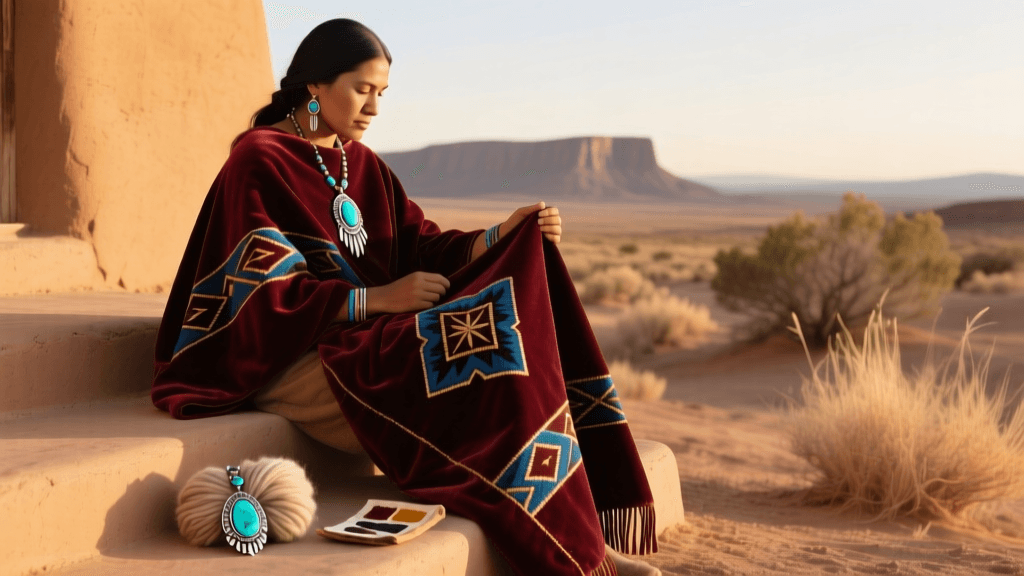
The traditional Diné (Navajo) velvet garment is far more than a simple article of clothing; it is a profound expression of cultural continuity, resilience, and elegance. In 2026, as Indigenous fashion continues to assert its influence on global runways and local communities alike, the velvet shirt for men and the velvet blouse for women remain foundational pieces of Diné formal, ceremonial, and powwow regalia. Originally adapted in the late nineteenth century from European and Mexican trade materials, these garments have been entirely indigenized, transforming imported velvet, bias tape, and silver coins into a distinctly Native aesthetic. Today, wearing a meticulously crafted velvet garment is a powerful statement of identity. For those looking to source, commission, or care for these magnificent textiles in 2026, understanding the nuances of the fabric, the construction techniques, and the accompanying silverwork is absolutely essential.
The Anatomy of Traditional Diné Velvet Garments
To truly appreciate the craftsmanship involved, one must first understand the structural elements that define a traditional Diné velvet shirt or blouse. Unlike standard Western button-downs, these garments are characterized by their distinctive yoke, which is often heavily decorated with ribbonwork or intricate bias tape designs. The yoke sits across the shoulders and chest, providing a striking visual contrast to the deep, rich pile of the velvet fabric. Below the yoke, the fabric is typically gathered or pleated, allowing for a comfortable, flowing drape that moves gracefully during dances and ceremonies.
For women, the blouse is usually paired with a sweeping, multi-tiered prairie skirt, often made of contrasting calico or broadcloth, and accessorized with a woven sash or concho belt. Men’s velvet shirts are generally worn with dark trousers, a bolo tie, and a concho belt. The sleeves are typically long, featuring a slight puff at the shoulder and cinching at the wrist with a button or elastic cuff. The collar is another focal point, often a mandarin or band collar that frames the neck perfectly for the display of a heavy turquoise and silver squash blossom necklace. In 2026, contemporary Diné seamstresses and tailors are experimenting with subtle modernizations, such as hidden zippers for ease of wear and tailored fits, while strictly maintaining the traditional silhouette and decorative motifs that honor their ancestors.
Sourcing Authentic Velvet and Trim in 2026
The foundation of any exceptional velvet garment is, naturally, the fabric itself. Historically, Diné artisans utilized whatever trade velvet was available, often heavy cotton or silk blends. In the modern 2026 textile market, sourcing the right velvet requires a careful balance between traditional aesthetics, durability, and ethical manufacturing. Cotton velvet remains the gold standard for traditionalists. It possesses a dense, luxurious pile that catches the light beautifully and drapes with a substantial weight that synthetic fabrics simply cannot replicate.
However, pure cotton velvet can be difficult to source and is prone to crushing. As a result, many contemporary artisans have turned to high-quality cotton-rayon blends, which offer the rich appearance of traditional velvet with added durability and resistance to matting. When sourcing fabric, it is crucial to purchase from reputable textile dealers who can verify the fiber content. Avoid cheap polyester panne velvets, which lack the structural integrity required for heavy silverwork and tend to look overly shiny and artificial. Equally important is the trim. The intricate geometric patterns adorning the yoke, cuffs, and hem are created using double-fold bias tape and grosgrain ribbon. In 2026, there is a growing movement among Diné creators to utilize deadstock and sustainably dyed ribbons, reducing the environmental impact of their craft without sacrificing the vibrant colors—such as deep turquoise, brilliant yellow, and stark white—that are iconic to the style.
The Essential Silverwork: Squash Blossoms and Concho Belts
A Diné velvet garment is rarely considered complete without its accompanying silverwork and turquoise jewelry. The squash blossom necklace, perhaps the most recognizable symbol of Navajo silversmithing, is a masterpiece of metallurgy and lapidary art. Originating from the adaptation of Spanish-Mexican pomegranate motifs, the squash blossom features a central naja (crescent-shaped pendant) and fluted silver beads interspersed with turquoise settings. Similarly, the concho belt, consisting of large, ornate silver ovals strung on a leather band, serves both a functional and deeply decorative purpose.
As of 2026, the market for authentic Native American silverwork has seen significant shifts. The rising global demand for turquoise and silver has driven up the cost of raw materials, making authentic, hand-stamped, and stone-set pieces more valuable than ever. It is vital for buyers to distinguish between genuine, Native-made heirloom pieces and mass-produced imitations that flood the online market. To help navigate the current landscape, we have compiled a comparative overview of the 2026 market for these essential accessories.
| Accessory Item | Authentic Diné Artisan (2026 Est. Price) | Mass-Produced Import / Imitation | Key Authenticity Indicators |
|---|---|---|---|
| Squash Blossom Necklace | $2,500 - $12,000+ | $150 - $400 | Hand-stamped designs, natural turquoise matrix, sterling silver hallmarks. |
| Concho Belt (Leather) | $3,000 - $15,000+ | $200 - $600 | Individual hand-forged conchos, heavy gauge silver, quality leather backing. |
| Bolo Tie | $400 - $2,000 | $50 - $150 | Custom silver tips, hand-cut turquoise slide, braided leather cord. |
| Pair of Silver Cuff Bracelets | $800 - $3,500 | $100 - $250 | Deep stamp work, no glue in stone settings, artist hallmark on interior. |
Proper Care, Maintenance, and Storage
Preserving the integrity of a velvet garment and its accompanying silverwork requires specialized care. Velvet is notoriously sensitive to moisture, pressure, and heat, which can permanently crush the pile and ruin the garment's luxurious texture. In 2026, professional dry cleaning remains the safest option for deep cleaning, provided you use a cleaner experienced with delicate, heavy textiles and traditional Native garments. For everyday maintenance, a specialized velvet brush or a handheld garment steamer should be used to gently lift the pile and remove surface dust. Never iron a velvet garment directly; the heat and pressure will flatten the fibers irreparably.
When storing the garment, avoid wire hangers, which can distort the heavy yoke. Instead, use padded, wide-shoulder hangers and store the piece in a breathable cotton garment bag to protect it from dust and light. Silverwork requires its own regimen. Sterling silver naturally tarnishes when exposed to humidity and sulfur in the air. To maintain the brilliant shine of your turquoise and silver jewelry, store each piece individually in anti-tarnish cloth pouches. Polish the silver gently with a treated jeweler's cloth, taking extreme care to avoid rubbing the turquoise stones, as the chemicals in silver polish can discolor or damage the porous gemstones.
Ensuring Authenticity and Supporting Diné Artisans
When investing in traditional Native American clothing and jewelry, ensuring the authenticity of the pieces is not just a matter of financial prudence; it is a matter of cultural respect and legal compliance. The Indian Arts and Crafts Act makes it illegal to misrepresent goods as being Native American-made when they are not. To guarantee that you are supporting genuine Diné artisans and acquiring authentic regalia, always purchase directly from recognized Native artists, tribal cooperatives, or reputable galleries that provide written documentation of the artist's tribal affiliation.
The Indian Arts and Crafts Board offers excellent resources and directories for verifying authentic Native American businesses and artisans. Furthermore, institutions like the Smithsonian National Museum of the American Indian provide invaluable historical context and educational materials that can help buyers understand the deep cultural significance of the garments and jewelry they are acquiring. By prioritizing authentic, ethically sourced pieces, you help sustain the vibrant legacy of Diné textile and silversmithing traditions for future generations.
Conclusion
The Diné velvet shirt and blouse stand as testaments to the adaptability and enduring beauty of Indigenous fashion. Whether you are a tribal member seeking the perfect regalia for a family gathering, a collector of fine Native American textiles, or simply an admirer of traditional garment construction, understanding the materials, craftsmanship, and care required for these pieces enriches the experience. As we move through 2026, the continued dedication of Diné artisans to their craft ensures that these magnificent velvet garments will remain a vital, living expression of culture and pride.