Navajo Traditional Dress: 2026 Velvet & Biil Sourcing Guide
Introduction to Diné Sartorial Heritage
The Diné (Navajo) people possess one of the most recognizable, deeply symbolic, and continuously evolving sartorial traditions in North America. Rooted in the philosophical concept of Hózhó—a complex Diné word encompassing beauty, balance, harmony, and peace—traditional Navajo clothing is far more than mere adornment. It is a wearable manifestation of cultural resilience, spiritual grounding, and artistic mastery. As we navigate the indigenous fashion and regalia landscape in 2026, the demand for authentic, ethically sourced Diné garments has reached unprecedented heights. Collectors, cultural practitioners, and indigenous fashion enthusiasts are increasingly seeking direct connections with Navajo weavers and silversmiths, moving away from mass-produced imitations and toward garments that carry the true spirit and lineage of the Navajo Nation.
Understanding the nuances of Navajo traditional dress requires a deep dive into the materials, the historical shifts brought about by trade, and the contemporary revitalization efforts led by Diné artisans. This comprehensive 2026 guide explores the iconic Navajo velvet shirt, the sacred biil (rug dress), and the intricate silver and turquoise adornments that complete the regalia, providing actionable advice for sourcing and preserving these masterpieces.
The Evolution and Anatomy of the Navajo Velvet Shirt
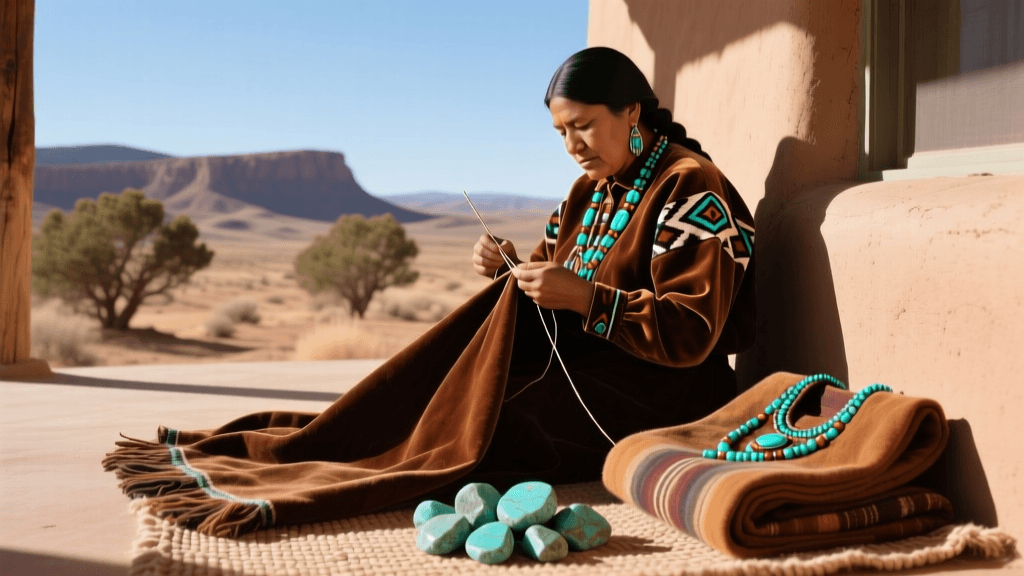
While the biil dress represents ancient weaving traditions, the Navajo velvet shirt is a testament to the Diné people's remarkable ability to adapt and integrate new materials into their cultural framework. In the late 19th century, trading posts established across the Navajo Nation introduced European textiles, including cotton velvet and calico. The Diné quickly adopted velvet, replacing earlier buckskin garments, and transformed it into a distinctly Navajo sartorial staple.
By 2026, the traditional Navajo velvet shirt remains a cornerstone of men's and women's formal regalia, worn at graduations, powwows, political inaugurations, and sacred ceremonies. A high-quality, authentic velvet shirt is characterized by its rich, deep pile and intricate ribbon appliqué. Artisans meticulously cut and sew contrasting satin or silk ribbons along the seams, cuffs, and collar, creating geometric patterns that often mirror those found in traditional weaving. The tailoring is distinct: shirts typically feature a relaxed, straight cut with a band collar or a traditional fold-over collar, designed to be worn tucked in or flowing over a concho belt.
In recent years, a 2026 renaissance in sustainable and historically accurate materials has emerged. Many master tailors are now sourcing deadstock vintage velvets or utilizing high-grade, eco-friendly cotton velvets that mimic the heavy drape of the late 1800s trader-supplied fabrics. The color palette remains deeply traditional, with jewel tones like sapphire blue, emerald green, and deep plum dominating the market, though contemporary weavers and tailors are also experimenting with natural, plant-dyed fabrics to reflect pre-reservation aesthetics.
The Biil Dress: Woven Identity and the Upright Loom
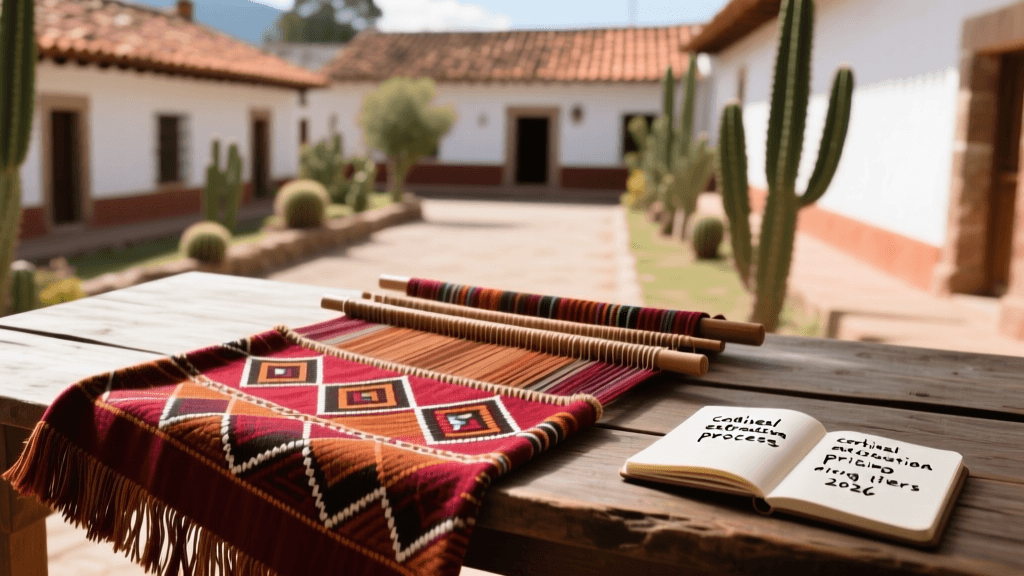
The biil, or traditional Navajo two-piece rug dress, is perhaps the most sacred and labor-intensive garment in Diné culture. According to Diné cosmology, the art of weaving was taught to the people by Spider Woman (Na'ashjé'íí Asdzáá), who instructed them on how to build the upright loom using sky, earth, sun rays, and rock crystal. The biil is woven in two separate panels on this traditional upright loom and then stitched together at the shoulders and sides, leaving openings for the head and arms.
Weaving a biil dress is a monumental undertaking that can take anywhere from three to eight months of continuous, daily labor. The process begins with the shearing of Churro sheep, followed by washing, carding, and hand-spinning the wool. In 2026, the resurgence of the Navajo-Churro sheep breed has been a major triumph for indigenous agricultural and textile revitalization, providing weavers with the long-staple, low-lanolin wool necessary for creating durable, luminous garments.
Contemporary biil dresses often feature iconic regional patterns. The Two Grey Hills style, characterized by intricate, natural wool colors (brown, black, white, and tan) and complex geometric borders, is highly sought after for high-end regalia. Conversely, the Wide Ruins or Chinle styles, which utilize banded patterns and vibrant natural dyes derived from local flora like rabbitbrush, wild walnut, and indigo, offer a softer, more earthy aesthetic. According to the Smithsonian National Museum of the American Indian, the preservation of these specific regional weaving styles is critical to maintaining the geographic and familial identities embedded within Navajo textiles.
Regional Variations and Family Lineages
It is a common misconception that Navajo dress is monolithic. In reality, sartorial choices and weaving styles are deeply tied to specific regions of the vast Navajo Nation, which spans parts of Arizona, New Mexico, and Utah. For instance, weavers from the Shiprock area are renowned for their pictorial weavings and Yei (Holy People) motifs, which occasionally translate into highly specialized, ceremonial velvet sashes or belt accessories.
Family lineage also plays a pivotal role. Weaving and silversmithing techniques are passed down through matrilineal lines. A garment crafted by a member of the Kinyaa'áanii (Towering House) clan may feature specific stylistic flourishes in the ribbon work or silver stamping that identify the maker's heritage. In 2026, savvy collectors and cultural practitioners prioritize knowing the artisan's name, clan, and home chapter, as this provenance not only ensures authenticity but also honors the individual creator behind the garment.
2026 Sourcing Guide: Acquiring Authentic Diné Garments
The market for Native American art and clothing is unfortunately saturated with imported knock-offs. To protect indigenous economies and cultural heritage, buyers must be vigilant. The Indian Arts and Crafts Board (IACB) enforces the Indian Arts and Crafts Act, a federal truth-in-advertising law that prohibits misrepresentation in marketing of Indian arts and crafts. When sourcing a velvet shirt or biil dress in 2026, always verify the artisan's tribal enrollment or certification.
Below is a structured guide to sourcing authentic Navajo garments in the current market:
| Source Type | 2026 Examples & Platforms | Estimated Price Range | Best For |
|---|---|---|---|
| Direct Artisan Commissions | Instagram, Native Art Markets, Personal Websites | $1,500 - $5,000+ | Custom-fit biil dresses, bespoke velvet shirts with specific clan motifs. |
| Tribal Enterprise Co-ops | Navajo Arts and Crafts Enterprise (NACE) | $400 - $1,200 | Ready-to-wear velvet shirts, concho belts, and woven accessories. |
| Verified Online Indigenous Retailers | Eighth Generation, Beyond Buckskin Boutique | $250 - $900 | Contemporary indigenous fashion blends, high-quality printed velvets. |
| Museum & Gallery Shops | Wheelwright Museum, Heard Museum Gallery | $2,000 - $15,000+ | Archival-quality master weaver biil dresses, investment pieces. |
When purchasing a biil dress directly from a weaver, expect a consultation process. The weaver will require precise measurements and will often discuss the intended use of the dress, as certain patterns and colors are reserved strictly for ceremonial purposes, while others are appropriate for social gatherings and powwows.
Adornment: Turquoise, Silver, and the Concho Belt
No Navajo velvet shirt or biil dress is complete without the requisite silver and turquoise adornments. The Navajo concho belt, originally adapted from Mexican bridle ornaments in the mid-19th century, has evolved into a masterpiece of silversmithing. A traditional first-phase concho belt features hand-stamped silver ovals with open centers, strung on a thick leather band. By 2026, master silversmiths are heavily favoring the tufa-cast method, a technique that involves carving a design into volcanic tufa stone, creating a mold, and pouring molten silver into it. This results in a deeply textured, one-of-a-kind piece that perfectly complements the rich texture of velvet.
Turquoise selection is equally critical. The 2026 market places a premium on high-grade, natural, untreated turquoise from legendary, now-closed mines such as Sleeping Beauty, Bisbee, and Lander Blue. When purchasing a squash blossom necklace or a set of turquoise cuff bracelets to accompany your regalia, always request documentation of the stone's origin. The Wheelwright Museum of the American Indian frequently highlights the intersection of Navajo textiles and metalwork in their exhibitions, noting that the heavy, substantial nature of Navajo silver is specifically designed to balance the visual weight of the velvet and woven wool garments.
Archival Care and Preservation for 2026 Collectors
Investing in authentic Navajo garments requires a commitment to their preservation. Velvet, wool, and silver all react differently to environmental factors, and improper storage can lead to irreversible damage.
- Velvet Care: Never fold a velvet shirt, as this will crush the pile and create permanent creases. Always store velvet garments on wide, padded wooden hangers in a breathable, acid-free cotton garment bag. Avoid wire hangers, which can distort the shoulder seams.
- Biil Dress Preservation: Wool is highly susceptible to moth damage. Store biil dresses flat in archival, acid-free textile boxes lined with unbuffered tissue paper. Include natural cedar blocks or dried lavender sachets to deter pests, but ensure these do not directly touch the wool, as the natural oils can stain the fibers.
- Silver and Turquoise Maintenance: Silver naturally tarnishes when exposed to sulfur in the air. Store concho belts and jewelry in anti-tarnish cloth bags. Never use harsh chemical silver dips on vintage or tufa-cast pieces, as these chemicals can strip the intentional oxidation (patina) from the stamped crevices and severely damage porous turquoise stones. Instead, gently polish the high-relief areas with a dry, untreated microfiber cloth.
Conclusion
The traditional dress of the Diné people is a living, breathing archive of history, spirituality, and artistic genius. Whether you are a tribal member seeking regalia for a milestone celebration, a museum curator, or a dedicated collector of indigenous textile arts, understanding the profound cultural weight and technical mastery behind the Navajo velvet shirt and the biil dress is essential. By prioritizing ethical sourcing, supporting direct-to-artisan economies, and committing to the meticulous preservation of these garments, we ensure that the beauty and balance of Hózhó will continue to be worn and celebrated for generations to come.