LDS Temple Garments in 2026: Sacred Symbolism and Modern Design
The Cultural and Religious Landscape of Temple Garments
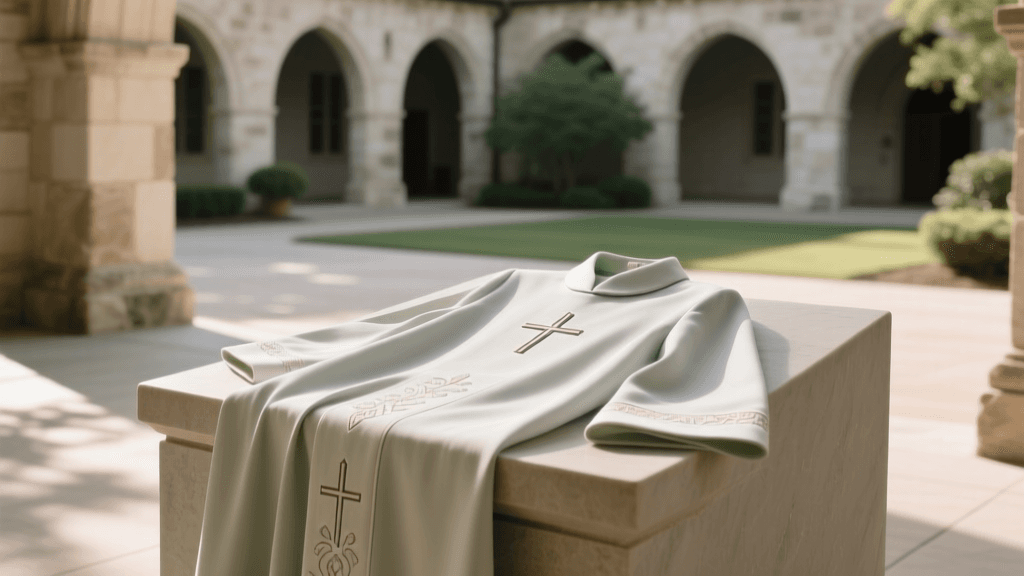
For members of The Church of Jesus Christ of Latter-day Saints, the temple garment is far more than a simple undergarment. It is a profound, sacred symbol of faith, a physical reminder of covenants made with God, and a deeply personal artifact of religious identity. Originating in the Americas during the mid-19th century, this unique form of religious dress has evolved significantly over the decades. As of 2026, the temple garment represents a fascinating intersection of enduring theological symbolism and modern textile innovation, adapting to the needs of a global membership while strictly maintaining its sacred boundaries.
From a cultural perspective, the garment serves as a 'portable temple.' In a world where secular fashion trends often prioritize revelation and transient aesthetics, the Latter-day Saint commitment to wearing the garment establishes a distinct cultural boundary. It dictates a baseline of modesty that influences how millions of members worldwide navigate contemporary clothing markets, professional environments, and social settings. Understanding the religious meaning and cultural significance of these garments in 2026 requires an exploration of their historical roots, their sacred markings, and the practical realities of wearing them in the modern era.
The Theological Foundation and Historical Context
The origins of the temple garment trace back to the Nauvoo period in the 1840s, when the founder of the faith, Joseph Smith, introduced the temple endowment ceremony. This sacred ritual includes the making of covenants—solemn promises between the individual and God—regarding obedience, sacrifice, chastity, and consecration. The garment was instituted as a physical shield and a constant, tactile reminder of these spiritual commitments.
Historically, early garments were one-piece, full-length union suits made of heavy cotton or wool, reflecting the modesty standards and textile limitations of the 19th century. Over the decades, as global climates and cultural norms shifted, the Church's leadership authorized modifications to the garment's cut and fabric. By 2026, the garment is available in a variety of two-piece styles (top and bottom) that accommodate diverse climates, body types, and modern modesty requirements, all while preserving the essential sacred elements mandated by Church doctrine.
Decoding the Sacred Markings
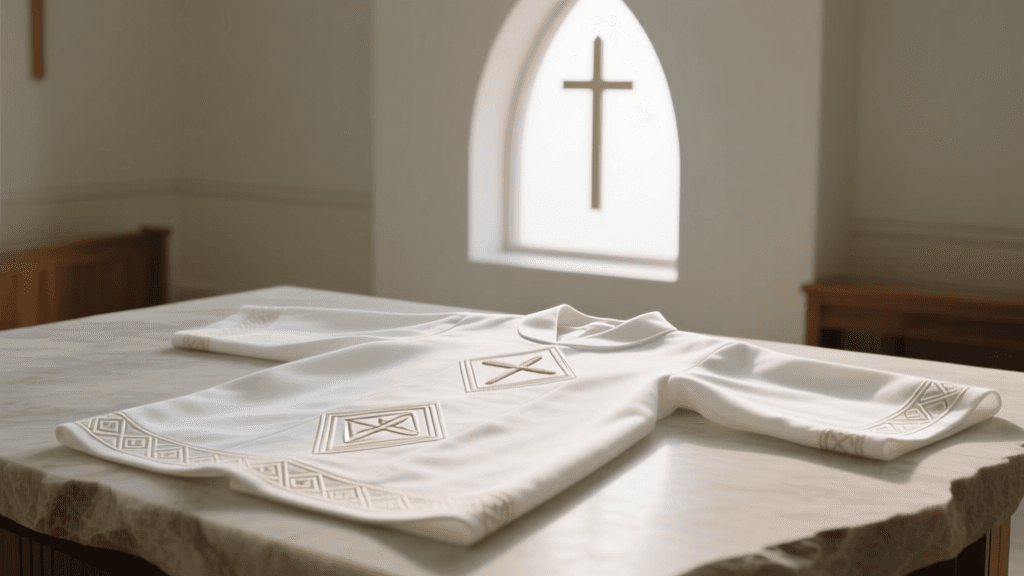
The most distinctive feature of the temple garment, setting it apart from secular undergarments, is the presence of specific woven or embroidered markings. While the exact rituals of the temple are kept sacred and private by members, the Church has publicly outlined the symbolic meaning of these marks to foster understanding and dispel misinformation. According to the official Gospel Topics essay on Temple Garments, these symbols serve as visual and tactile reminders of spiritual truths.
- The Square: Located on one of the shoulders, the square represents honor, integrity, and the importance of keeping one's word and covenants.
- The Compass: Positioned on the opposite shoulder, the compass symbolizes the eternal nature of the soul, the desire to keep one's life pointed toward true north (God's will), and the avoidance of wandering from spiritual paths.
- The Navel Mark: A small mark near the center of the garment, representing the nourishment of the spiritual self and the connection to eternal life.
- The Knee Mark: Located on the lower portion of the garment, this mark reminds the wearer that every knee shall eventually bow to God, symbolizing humility and reverence.
These markings transform a basic textile into a catechism of the flesh. For the wearer, adjusting the garment throughout the day provides a micro-moment of mindfulness, re-centering their thoughts on their religious obligations amidst the distractions of daily life.
2026 Fabric Innovations and Global Accessibility
As the Church's demographic center of gravity has shifted heavily toward Latin America, Africa, and the Asia-Pacific regions, the demand for climate-appropriate religious clothing has driven significant textile innovation. In 2026, the Church's Distribution Services offers a highly engineered array of fabrics designed to provide comfort without compromising the garment's structural modesty requirements.
Members can now purchase garments through the official Church online store or at local distribution centers adjacent to temples worldwide. The modern supply chain ensures that a member in the humid climate of Manaus, Brazil, has access to the same advanced moisture-wicking textiles as a member in the arid heat of the American Southwest.
Comparison of 2026 Garment Fabrics and Styles
| Fabric Type | Best Climate / Use Case | Key Features for 2026 |
|---|---|---|
| Classic Cotton Blend | Temperate / Everyday Wear | Breathable, durable, maintains shape after industrial washing. |
| Stretch Mesh | Tropical / High Humidity | Ultra-lightweight, rapid moisture-wicking, anti-microbial treatment. |
| Modesty Panel Tops | Active / Professional Wear | Built-in higher neckline to accommodate modern V-neck or scoop outerwear. |
| Thermal / Winter Blend | Cold Climates / Outdoor Work | Insulating micro-fleece interior, retains sacred markings without bulk. |
Navigating Modesty and Contemporary Fashion
The cultural significance of the garment extends outward, directly influencing the outer clothing choices of Latter-day Saints. Because the garment is considered sacred, members are counseled to keep it covered and to dress in a way that does not expose the garment to public view. This creates a unique sartorial framework that members must navigate when shopping in mainstream retail environments in 2026.
For women, this generally means seeking out tops with cap sleeves or longer (avoiding sleeveless or deep off-the-shoulder cuts) and skirts or dresses that reach at least to the knee. For men, it means avoiding deeply unbuttoned dress shirts or shorts that rise above the knee. In an era where fast fashion often champions crop tops, sheer fabrics, and ultra-short hemlines, Latter-day Saint members frequently rely on specialized modesty brands, layering pieces like lightweight camisoles, or custom tailoring to align their professional and social wardrobes with their religious commitments.
This shared commitment to modesty has fostered a robust subculture of Latter-day Saint fashion influencers and boutique designers who create stylish, contemporary clothing specifically tailored to accommodate the dimensions of the temple garment. In 2026, this niche market is thriving, proving that religious boundaries can inspire distinct and vibrant cultural aesthetics rather than merely restricting them.
Respectful Care and Retirement of Garments
Because of their sacred nature, the lifecycle of a temple garment is treated with immense reverence. Members are instructed to wash and care for them separately from regular laundry, treating the process with dignity. However, the most culturally distinct practice regarding the garment is its eventual retirement.
Historically, members were instructed to burn worn or damaged garments. However, recognizing modern environmental concerns, urban living constraints, and safety hazards, the Church updated its handbook guidelines. As of 2026, the approved method for retiring a damaged garment is to carefully cut out the sacred markings (the square, compass, navel, and knee marks) and destroy those specific pieces. The remaining fabric, now stripped of its sacred symbols and rendered as ordinary cloth, can be respectfully thrown away in standard refuse or repurposed as cleaning rags. This evolution in policy highlights the Church's ability to adapt practical, logistical instructions for a modern, globalized membership while entirely preserving the theological sanctity of the symbols themselves.
Conclusion
The LDS temple garment remains one of the most unique and deeply meaningful articles of religious clothing in the Americas and across the globe. In 2026, it stands as a testament to the enduring power of physical symbols in an increasingly digital and secular world. Through continuous textile innovation, a steadfast commitment to modesty, and a profound reverence for sacred covenants, the temple garment continues to shape the daily lives, cultural identities, and spiritual focus of millions of believers.