2026 LDS Garment Guide: New Fabrics, Styles & Fit Updates
The American Origins and Sacred Textile Tradition
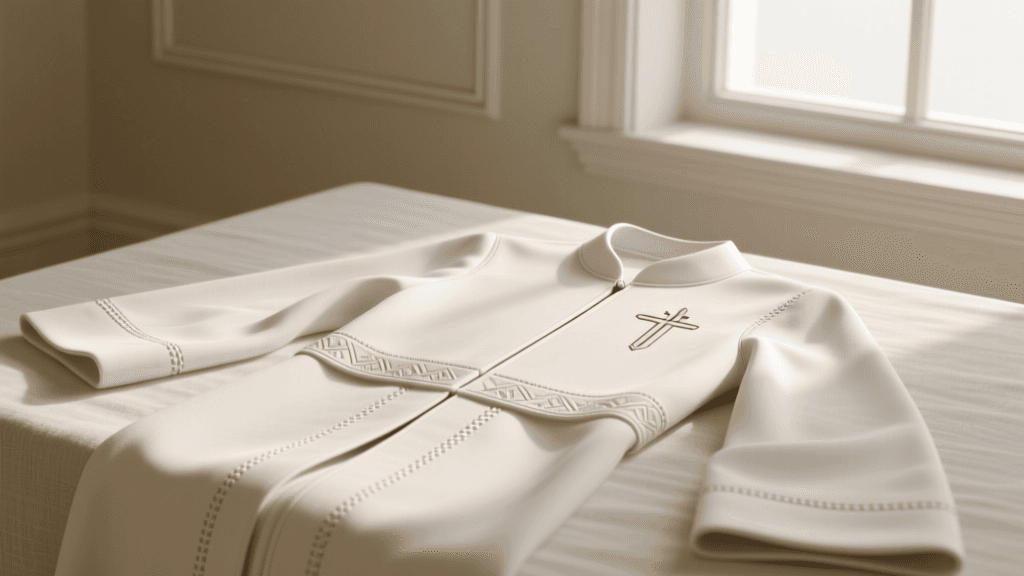
Within the diverse tapestry of Americas and Indigenous clothing traditions, few garments carry as much personal, spiritual, and historical weight as the temple garments worn by endowed members of The Church of Jesus Christ of Latter-day Saints. Originating in the American frontier during the 1840s in Nauvoo, Illinois, the LDS garment represents a distinctly American religious textile tradition. It bridges 19th-century American frontier culture with ancient covenant-making practices, evolving over the decades from long, heavy cotton union suits into the modern, streamlined undergarments available today.
For endowed members, these garments are not merely clothing; they serve as a constant, tangible reminder of covenants made in sacred temples. According to the Church's official Gospel Topics essay on Temple Garments, the garments 'provide a constant reminder of those covenants' and serve as 'an outward expression of an inward commitment.' As we navigate 2026, the intersection of sacred tradition and modern textile innovation has never been more apparent, offering members unprecedented comfort, inclusivity, and adaptability for global climates.
2026 Material Innovations: Beyond Traditional Cotton
Historically, temple garments were constructed exclusively from 100% woven cotton. While durable, traditional cotton can be heavy, slow to dry, and restrictive in high-heat environments. In 2026, the Church’s Distribution Services and approved manufacturers have fully embraced advanced textile engineering, offering a diverse array of fabric blends designed to meet the needs of a global membership base.
Modal and Micro-Modal Blends
Derived from the pulp of sustainably harvested beech trees, modal has become a staple for members seeking a silkier, lighter alternative to cotton. The 2026 modal garment lines feature a 95% modal and 5% elastane blend, providing exceptional four-way stretch, superior moisture-wicking capabilities, and resistance to shrinking. Modal is highly favored by members living in temperate climates or those who wear professional, tailored outer clothing, as the fabric lays flat and avoids visible panty lines (VPL).
Cooling Mesh and Performance Synthetics
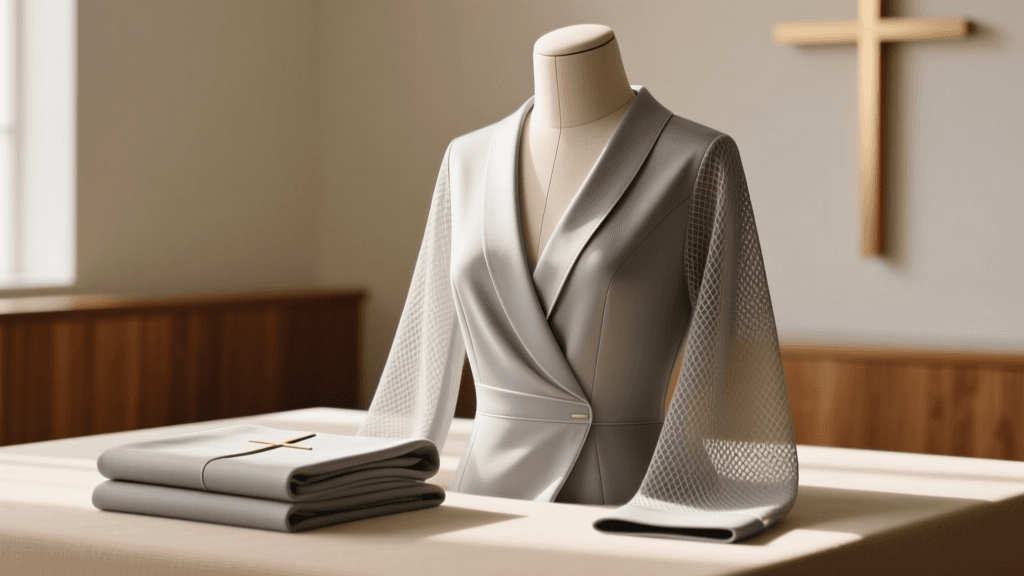
For members serving missions or residing in tropical, high-humidity regions (such as Latin America, Southeast Asia, and the American South), the 2026 micro-mesh and performance synthetic lines are revolutionary. These garments utilize advanced capillary-action yarns that pull sweat away from the skin, drying up to three times faster than traditional cotton. The mesh panels are strategically placed to maintain modesty and the integrity of the sacred markings while maximizing airflow.
Stretch Cotton and Sustainable Sourcing
For those who prefer the natural feel of cotton, the 2026 stretch cotton line incorporates a small percentage of spandex to improve mobility and shape retention. Furthermore, the Church has made significant strides in sustainable sourcing this year, ensuring that the cotton used in these garments is ethically farmed and packaged in 100% post-consumer recycled materials, aligning with broader environmental stewardship initiatives.
Comprehensive Fabric Comparison Chart for 2026
Selecting the right fabric is highly dependent on your local climate, daily activities, and sensory preferences. Below is a detailed comparison of the primary garment materials available through official channels in 2026.
| Fabric Type | Composition | Best Climate / Use Case | Durability & Lifespan | Care Instructions |
|---|---|---|---|---|
| Classic Cotton | 100% Combed Cotton | Cool/Temperate; Sleepwear | High; may shrink slightly | Warm wash, tumble dry medium |
| Stretch Cotton | 95% Cotton, 5% Elastane | Active lifestyles; Daily wear | Very High; retains shape | Cold wash, tumble dry low |
| Modal Blend | 95% Modal, 5% Elastane | Office wear; Tailored clothing | High; resists pilling | Cold wash, lay flat or low dry |
| Cooling Mesh | Polyester/Spandex Blend | Tropical; High humidity; Athletics | Moderate; delicate mesh | Cold wash, air dry recommended |
Neckline and Sleeve Styles for Modern Lifestyles
The evolution of outerwear fashion necessitates a versatile approach to undergarments. In 2026, the variety of neckline and sleeve options ensures that members can wear modest, covenant-keeping garments with virtually any style of outer clothing, from professional business attire to evening wear.
Women’s Styles
- Crew Neck: The traditional, modest cut. Ideal for t-shirts, blouses, and casual wear.
- V-Neck: Designed to remain hidden under open-collared shirts and wrap dresses.
- Low-Round: A wider, lower cut that accommodates boat-neck and scoop-neck tops.
- Carmen (Off-the-Shoulder): Specifically designed for wide-neck or off-the-shoulder garments, providing necessary coverage while remaining entirely invisible beneath the outer layer.
- Sleeveless / Cap Sleeve: Available in all fabrics, these are essential for wearing under sleeveless dresses or tank tops while maintaining the required coverage of the sacred markings.
Men’s Styles
- Crew Neck: The standard cut for everyday t-shirts and casual button-downs.
- V-Neck: Essential for wearing under dress shirts with unbuttoned collars or open-neck polos.
- Low-Round: A deeper cut designed for athletic wear or casual loungewear.
- Sleeveless: Highly popular for gym-goers, runners, and those working in extreme heat, offering full torso coverage without the bulk of a sleeve.
Inclusive Sizing, Maternity, and Adaptive Designs
One of the most celebrated modern updates in recent years is the massive expansion of inclusive sizing, which has reached its most comprehensive iteration in 2026. Recognizing the diverse body types of its global membership, the Church now offers an extensive matrix of sizes that goes far beyond standard small, medium, and large designations.
Petite and Tall Options: Inseam lengths and torso proportions are now customizable. Members can order 'Tall' variations for longer torsos and inseams, or 'Petite' cuts that prevent bunching and discomfort.
Plus Sizes: The 2026 catalog features extended sizing up to 5X, with reinforced stitching and wider gussets engineered specifically for plus-size comfort and durability.
Maternity and Nursing: Expectant and nursing mothers have access to specialized garments featuring stretchy, supportive abdominal panels that grow with the body. Nursing-friendly designs include discreet, overlapping access points that allow for breastfeeding without the need to remove or compromise the integrity of the garment.
Adaptive Clothing: For members with limited mobility, sensory processing disorders, or those who require assistance with dressing, adaptive garments featuring velcro closures, seamless tags, and ultra-soft interior linings are now readily available through special order.
Purchasing in 2026: Distribution and Digital Verification
Purchasing temple garments remains a sacred privilege restricted to endowed members who hold a current, valid temple recommend. In 2026, the purchasing process has been seamlessly integrated into the Church’s digital ecosystem.
Members can order garments through the official Church Distribution Services online store. The modern checkout process utilizes secure digital verification linked directly to the Member Tools app. When logging into the store, the system automatically verifies the user's temple recommend status in real-time, eliminating the need to manually enter recommend numbers or present physical cards for online orders.
For those who prefer to try on different fabrics and styles, physical Distribution Centers and select Deseret Book locations maintain 'fitting rooms' with sample garments. These samples allow members to feel the difference between the modal, mesh, and stretch cotton fabrics before committing to a bulk order. As noted in recent faith and culture coverage by the Deseret News, the Church has also expanded its global distribution hubs, significantly reducing international shipping times and customs delays for members living outside the United States.
Garment Care: Preserving Modern Blends
The introduction of advanced synthetic blends and elastane requires a departure from the heavy-duty washing methods of the past. To ensure the longevity of your 2026 garments and preserve the elasticity and sacred markings, follow these updated care guidelines:
- Avoid Chlorine Bleach: Bleach degrades elastane and spandex fibers, causing stretch cotton and modal blends to lose their shape and sag prematurely. Use oxygen-based, color-safe brighteners instead.
- Wash in Cold Water: Cold water prevents the breakdown of synthetic cooling fibers and prevents cotton-elastane blends from shrinking.
- Gentle Cycles: Mesh and micro-modal fabrics are delicate. Washing them in a mesh laundry bag on a gentle cycle prevents snags and friction pilling.
- Low Heat Drying: High heat is the enemy of stretch fabrics. Tumble dry on low or, ideally, lay flat to dry. This preserves the structural integrity of the seams and the vibrancy of the markings.
Conclusion
The 2026 lineup of LDS temple garments represents a beautiful synthesis of ancient covenants and modern textile science. Whether you are navigating the sweltering heat of a Central American mission, attending a formal event requiring a carmen neckline, or simply seeking the everyday comfort of sustainable modal, the current offerings provide unprecedented versatility. By understanding the unique properties of these fabrics and utilizing the modernized digital purchasing systems, endowed members can honor their sacred commitments with greater comfort and confidence than ever before.