2026 Jingle Dress Regalia: Ethical Material Sourcing
The Enduring Legacy of the Jingle Dress
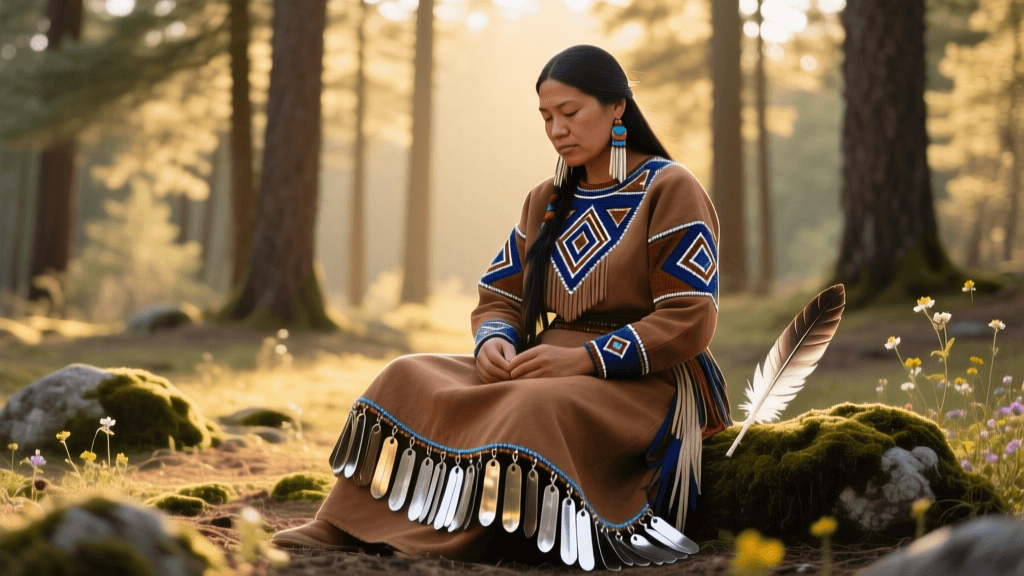
The powwow circuit of 2026 is shaping up to be one of the most vibrant and culturally significant seasons in recent memory. At the heart of this gathering is the Jingle Dress dance, a powerful expression of healing, resilience, and Ojibwe (Chippewa) heritage that has spread to tribes across North America. For dancers, artisans, and cultural preservationists, preparing for the 2026 season requires a deep understanding of traditional construction methods, ethical material sourcing, and contemporary design trends. According to the Smithsonian National Museum of the American Indian, the Jingle Dress dance originated in the early 20th century as a healing ceremony and has since evolved into a staple of competitive and traditional powwow arenas.
Creating or commissioning a jingle dress is not merely a sewing project; it is a spiritual undertaking. Every yard of fabric, every hand-rolled tin cone, and every glass seed bead carries intention. As we navigate the 2026 regalia-making season, understanding where and how to source these materials ethically is paramount to honoring the dance's sacred origins.
Sourcing Authentic Rolled Tin Jingles
The defining feature of this regalia is the "jingle"—traditionally made from rolled tin, which produces a distinct, rain-like sound when the dancer moves. In 2026, the market is flooded with cheap, mass-stamped aluminum cones imported from overseas. These aluminum alternatives produce a high-pitched, metallic clatter that lacks the deep, resonant, and soothing tone of authentic rolled tin.
For the 2026 season, serious regalia makers are returning to hand-rolled tin or sourcing from specialized Native-owned metalworkers. A traditional dress may feature exactly 365 jingles (one for each day of the year), while contemporary competition dresses often feature between 500 and 700 cones to maximize volume and visual impact.
2026 Pricing and Sourcing Tips for Metals
- Hand-Rolled Tin (Native Artisans): Expect to pay between $0.45 and $0.65 per jingle in 2026. While more expensive, this supports Indigenous economies and guarantees the correct acoustic profile.
- Pre-Rolled Tin (Commercial): Typically $0.25 to $0.35 per jingle. Ensure the supplier specifies "tin" rather than "aluminum alloy."
- Spools and Wire: Jingles are traditionally attached using waxed cotton string or heavy-duty nylon sinew. Avoid thin polyester threads, as the friction of the metal will snap them mid-dance.
Fabric Selection and 2026 Color Trends
The foundation of a jingle dress must be durable enough to withstand the weight of hundreds of metal cones, which can add anywhere from 10 to 15 pounds to the garment. Furthermore, the fabric must allow for fluid movement, as the dance relies on graceful, grounded footwork that causes the jingles to sway and strike one another.
In 2026, we are seeing a distinct shift in color palettes. While the neon and hyper-bright fabrics of the 2010s remain popular in the teen and junior categories, adult and Golden Age dancers are gravitating toward rich, earthy jewel tones—deep emeralds, navy blues, and burgundies—accented with vibrant satin ribbonwork and metallic appliqué.
2026 Material Comparison Chart
| Material Type | 2026 Avg Cost (per yard) | Durability & Weight | Best Application |
|---|---|---|---|
| Cotton Broadcloth | $12.00 - $18.00 | High durability, medium weight | Dress base, yoke, and sleeves |
| Cotton Calico | $14.00 - $22.00 | Medium durability, lightweight | Traditional style dresses, shawls |
| Satin Ribbon (Double Faced) | $0.80 - $1.50 (per yard) | Low structural strength, high visual impact | Ribbonwork appliqué, hem accents |
| Wool Broadcloth | $45.00 - $65.00 | Extremely high durability, heavy | Winter powwows, heavy beadwork backing |
Beadwork and Appliqué: Honoring the Details
No jingle dress is complete without intricate beadwork adorning the yoke, cuffs, and hem. The 2026 beadwork trends emphasize a return to the "lazy stitch" (also known as the lane stitch) for large geometric bands, combined with delicate spot-stitch floral motifs that pay homage to Great Lakes and Woodlands art styles.
When sourcing beads, Japanese glass seed beads (specifically Miyuki or Toho brands in size 11/0 and 13/0) remain the gold standard for their uniformity and vibrant colorfastness. In 2026, the cost of high-quality Japanese seed beads has stabilized at approximately $4.50 to $6.00 per hank, depending on the finish (e.g., galvanized, luster, or metallic).
"The rhythm of the beadwork should mirror the rhythm of the dance. Every stitch is a prayer, and every bead is a reflection of the community's enduring spirit." — 2026 Powwow Elders Council Symposium
For those who do not bead their own regalia, commissioning a Native beadworker is the standard practice. It is vital to plan ahead; top-tier beadworkers are often booked 12 to 18 months in advance for the summer powwow season.
Structural Integrity: Managing Regalia Weight
A common mistake made by novice regalia makers is underestimating the physical toll of a fully loaded jingle dress. The sheer weight of 500+ metal cones, combined with heavy beadwork on the yoke, can cause severe strain on the dancer's shoulders and neck if the garment is not properly structured.
Construction Best Practices for 2026
- Reinforced Yokes: The shoulder and chest area must be interfaced with heavy-duty canvas or buckram. This distributes the weight of the beaded yoke across the upper back rather than pulling on the neckline.
- Waist Anchoring: Use a wide, reinforced inner waistband (at least 2 inches wide) made of grosgrain ribbon or cotton webbing. This anchors the skirt's weight to the dancer's hips, relieving the shoulders.
- Jingle Spacing: Jingles should be staggered in rows, typically spaced 1 to 1.5 inches apart. Staggering ensures that the cones overlap visually and strike each other at varying intervals, creating the signature "rain" sound rather than a single, dull clank.
- Hem Weights: To keep the skirt from tangling around the dancer's legs during turns, sew small, discreet lead-free drapery weights into the bottom hem of the broadcloth.
Ethical Purchasing and Supporting Native Artisans
As the commercialization of Indigenous crafts continues to be a pressing issue, ethical sourcing is more critical than ever. The Indian Arts and Crafts Board strictly enforces the Indian Arts and Crafts Act, which makes it illegal to offer or sell any art or craft product in a manner that falsely suggests it is Indian-produced. When purchasing beadwork, ribbonwork, or hand-rolled jingles for your 2026 regalia, always verify the artisan's tribal affiliation and purchase directly from them or from certified Native-owned cooperatives.
Cultural preservation organizations like the National Congress of American Indians emphasize that supporting Native artisans ensures that the economic benefits of powwow culture remain within Indigenous communities. By choosing to buy authentic, Native-made materials, you are not only acquiring superior, culturally accurate supplies but also actively participating in the economic sovereignty of Indigenous peoples.
Caring for Your Jingle Dress Regalia
Once your regalia is complete, proper maintenance is essential to ensure it lasts for multiple powwow seasons. Never machine-wash a jingle dress. The agitation will tangle the jingles, snap the sinew, and destroy delicate beadwork. Instead, spot-clean the broadcloth with a damp cloth and mild detergent. After every powwow, hang the dress in a well-ventilated, climate-controlled space to allow sweat and humidity to evaporate. Inspect the sinew ties on your jingles monthly; the friction of the dance arena will naturally wear down the ties over time, and proactive replacement will prevent losing a jingle mid-competition.
As we embrace the 2026 powwow season, let us remember that the jingle dress is a living, breathing testament to Indigenous healing and survival. By sourcing materials ethically, constructing the garment with structural integrity, and honoring the traditions of the craft, every dancer steps into the arena carrying the strength of their ancestors.