LDS Temple Garments 2026: History, Styles & Fit Guide

The Sacred Origins: A Uniquely American Religious Textile
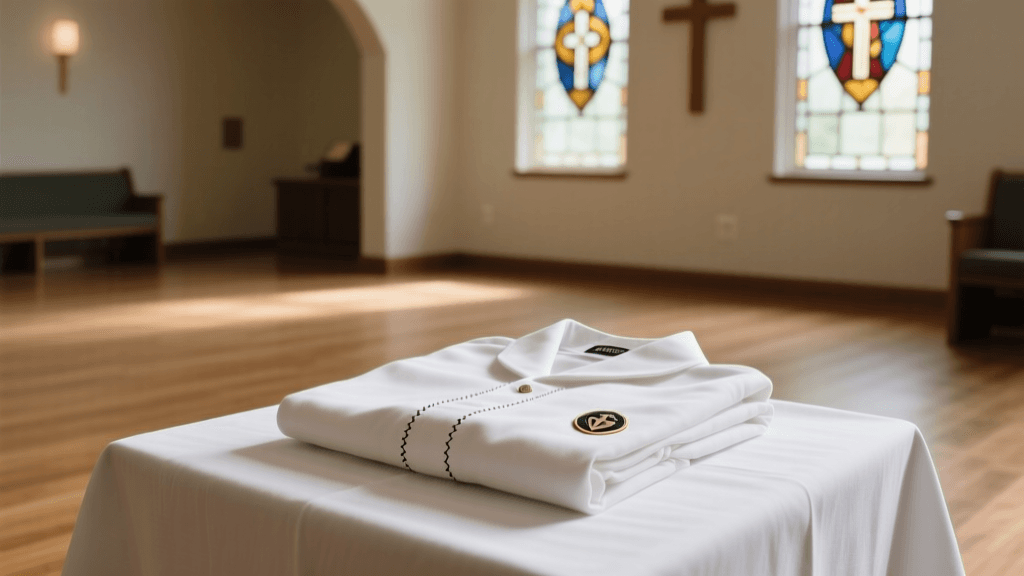
When discussing the rich tapestry of traditional and religious clothing in the Americas, few garments carry as much profound personal and theological significance as the temple garments worn by endowed members of The Church of Jesus Christ of Latter-day Saints. Originating in the United States in the mid-19th century, these garments represent a uniquely American-born religious textile tradition. Unlike indigenous tribal regalia or historical pioneer dress, the LDS temple garment is a living, evolving article of sacred clothing that millions of members wear daily beneath their outer clothes as a reminder of their covenants.
As of 2026, the Church has refined its garment offerings to accommodate a truly global membership, offering diverse fabrics, inclusive sizing, and climate-specific designs. This comprehensive guide explores the historical evolution, sacred meaning, and the modern 2026 styles, fabrics, and purchasing options available to endowed members today.
Historical Evolution: From Nauvoo to 2026
The history of the temple garment begins in Nauvoo, Illinois, in 1842. When Joseph Smith introduced the temple endowment, he also introduced the associated sacred clothing. Early garments were essentially one-piece union suits that extended to the wrists and ankles, resembling the standard long underwear of the 19th century. They were entirely handmade, often by family members, and featured specific woven or embroidered marks that held deep symbolic meaning related to the covenants made in the temple.
As the 20th century progressed, the practicalities of modern life, changing fashion norms, and global expansion necessitated adaptations. In 1923, the First Presidency approved a slightly shorter style that reached just below the elbows and knees. By the mid-20th century, the one-piece suit was largely replaced by the two-piece design (a separate top and bottom) that is standard today. According to the Church's Gospel Topics essay on Temple Garments, these adjustments were made under prophetic direction to ensure the garment could be worn comfortably and consistently by members participating in all aspects of modern society, from military service to athletic pursuits.
Entering 2026, the focus of garment design has shifted toward ergonomic comfort, advanced moisture-wicking textiles, and expanded options for women's necklines and sleeve lengths, ensuring that the sacred marks remain intact while the surrounding fabric adapts to contemporary modesty and comfort standards.
Sacred Symbolism and Meaning
To understand the garment, one must look past the physical fabric and focus on its spiritual purpose. Often misunderstood by those outside the faith, the garment is not considered "magic" or an amulet. Instead, it serves as a tactile, daily reminder of the covenants made during the temple endowment. The official Church guidelines emphasize that the garment provides a "shield and protection" to the wearer, functioning as a physical boundary that encourages modesty, purity, and a constant mindfulness of one's commitments to God.
The specific marks woven into the fabric represent core gospel principles, including the compass (symbolizing an undeviating course toward eternal life), the square (representing exactness and honor), the navel (symbolizing the need for spiritual nourishment), and the knee (representing reverence). For endowed members, these symbols transform a simple undergarment into a deeply personal sanctuary of faith.
2026 Fabric Guide: Choosing the Right Material
The Church's Distribution Services have vastly expanded their textile offerings to accommodate members living in diverse climates around the world. In 2026, members can choose from several specialized fabrics, each engineered for specific lifestyles and environments.
| Fabric Type | Best Suited For | Key Features & 2026 Updates | Care Instructions |
|---|---|---|---|
| Classic Cotton | Everyday wear, temperate climates | 100% combed cotton; highly breathable; updated in 2025 for reduced shrinkage. | Machine wash warm; tumble dry low. |
| Modacrylic Blend | Active lifestyles, variable weather | Moisture-wicking, odor-resistant, retains shape exceptionally well. | Machine wash cold; tumble dry low. |
| Stretch (Spandex Blend) | Athletics, high mobility, form-fitting outerwear | 4-way stretch fabric; updated 2026 seams for zero chafing during exercise. | Machine wash cold; hang dry recommended. |
| Mesh / Tropical | Extreme heat, high humidity, tropical regions | Ultra-lightweight, maximum airflow; reinforced 2026 weave to prevent tearing. | Machine wash cold in mesh bag; air dry. |
Modern Styles and Fit: Men's and Women's Options
A major area of refinement over the last decade, culminating in the 2026 catalog, is the variety of cuts and styles available, particularly for women. The Church has worked closely with textile designers to ensure garments can be worn modestly and comfortably beneath a wide array of modern professional and casual attire.
Women's 2026 Styles
Women now have access to a highly customizable range of tops and bottoms. Top options include cap-sleeve, short-sleeve, and bermuda lengths. Necklines have been expanded to include crew, V-neck, scoop, and boat necks, allowing members to wear contemporary blouses and dresses without the garment showing. For bottoms, options range from traditional briefs to boy-shorts, mid-thigh, and knee-length styles. Additionally, the 2026 catalog continues to feature specialized maternity panels, offering crucial comfort and support for expectant mothers without compromising the sacred markings.
Men's 2026 Styles
Men's tops are available in crew neck, V-neck, and polo-style collars, with sleeve lengths ranging from short to athletic. Bottoms include traditional briefs, boxers, and athletic shorts designed with moisture-wicking liners. The 2026 athletic line has been specifically praised by members serving missions or participating in collegiate sports for its durability and anti-chafing properties.
Sizing, Purchasing, and Global Distribution
Purchasing temple garments is a restricted process, available only to members who hold a current, valid temple recommend. As outlined in the Church's General Handbook, the garment is sacred, and its distribution is carefully managed to maintain its reverent nature.
In 2026, the primary method of acquisition is through the Church's official online store or local Distribution Centers. The online portal requires members to log in with their Church Account, which automatically verifies their temple recommend status. Recent upgrades to the global shipping infrastructure mean that members in remote areas of South America, Africa, and Asia can now receive their orders in a fraction of the time it took a decade ago, with localized pricing adjustments to account for regional economic disparities.
For those struggling with non-standard sizing, the Church offers a "Custom Fit" program. Members can submit specific measurements for tailored garments, ensuring that those with physical disabilities, unique body types, or medical devices (such as ostomy bags) can wear the garment comfortably and reverently.
Care, Repair, and Proper Disposal
Because the garment is a sacred item, its care and eventual retirement are handled with respect. Members are encouraged to wash garments separately or with other modest clothing, treating them with the same care as any fine garment. If a garment tears or wears thin, it is entirely permissible to mend it using a needle and thread or fabric patches, provided the sacred marks remain intact and the repair is modest.
When a garment becomes too worn, faded, or damaged to be worn or repaired, it must be disposed of properly. The standard practice in 2026 remains the same as in previous decades: members are instructed to cut the sacred marks out of the fabric. The marks are then destroyed (often by burning or cutting into unrecognizable pieces), and the remaining fabric can be discarded in the regular trash. This process ensures that the sacred symbols are never treated as common refuse.
Conclusion
The LDS temple garment stands as a remarkable intersection of American religious history and modern textile innovation. From its humble, hand-stitched origins in 1840s Nauvoo to the advanced, globally distributed, and ergonomically designed garments of 2026, it remains a steadfast anchor for millions of Latter-day Saints. By blending deep theological symbolism with practical, contemporary design, the garment continues to serve its divine purpose: a quiet, constant, and comforting reminder of the covenants that bind the wearer to their faith and to God.