LDS Temple Garments in 2026: Meaning, History, and Modern Styles
Introduction to Sacred Clothing in the Americas
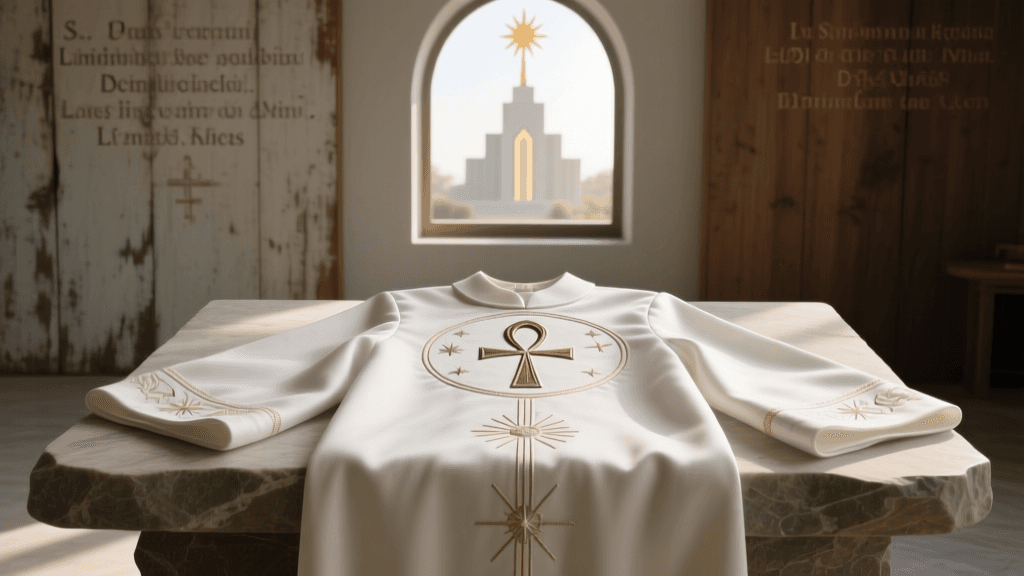
When discussing the rich tapestry of traditional and religious clothing across the Americas, much of the focus naturally falls on Indigenous regalia, Latin American textile arts, and historical pioneer dress. However, one of the most widely worn, yet least publicly visible, traditional garments in North America is the temple garment worn by members of The Church of Jesus Christ of Latter-day Saints (often referred to as Mormons). Originating in the United States in the mid-19th century, the temple garment represents a unique intersection of American religious history, personal devotion, and evolving textile technology. As of 2026, millions of endowed Latter-day Saints across the globe wear these garments daily, making them a significant, albeit hidden, component of contemporary religious dress in the Americas.
Unlike outward expressions of faith such as the Jewish kippah, the Islamic hijab, or the Sikh turban, the LDS temple garment is designed to be concealed beneath everyday clothing. This intentional modesty shifts the garment’s purpose from a public identifier to a deeply personal, spiritual reminder. In this comprehensive guide, we explore the historical origins, the profound cultural and religious significance, and the modern 2026 styles and practical care guidelines for LDS temple garments.
The Historical Origins and Evolution of the Garment
The origins of the temple garment trace back to Nauvoo, Illinois, in 1842. Joseph Smith, the founder of the Latter-day Saint movement, introduced the temple endowment ceremony, which included the wearing of a sacred undergarment. In its earliest iteration, the garment was a one-piece union suit, extending from the wrists to the ankles, reflecting the standard undergarments of the Victorian era. It featured specific woven marks that held symbolic meaning tied to the covenants made during the temple ceremony.
As the Church migrated westward to the Salt Lake Valley and the American frontier evolved, so did the garment. By the early 20th century, the Church authorized the transition from the one-piece union suit to the modern two-piece design (a separate top and bottom), accommodating the changing styles of everyday American clothing and the practical needs of members working in diverse climates. Throughout the decades, the Church has continually updated the fabrics and cuts to align with modern modesty standards and advancements in textile manufacturing, ensuring the garment remains practical for daily wear in the 21st century.
Deep Dive: Religious Symbolism and Cultural Meaning
To understand the cultural significance of the temple garment, one must understand its religious function. According to the General Handbook of The Church of Jesus Christ of Latter-day Saints, the garment serves as a physical reminder of the sacred covenants made by the wearer inside the temple. It is often described by members as “spiritual armor,” providing a daily, tactile connection to their faith and a protective reminder against the moral and ethical compromises of secular society.
The Sacred Marks
The garment features specific embroidered or woven marks, each carrying deep allegorical meaning tied to the endowment ceremony. While the exact ritualistic explanations are kept sacred and private by endowed members, the general symbolic concepts have been publicly acknowledged by Church leaders:
- The Compass: Represents the desire to keep one's life on the correct spiritual path and the eternal nature of the soul.
- The Square: Symbolizes exactness, honor, and integrity in all dealings with others.
- The Navel Mark: A representation of spiritual nourishment and the continuous need for sustenance from God.
- The Knee Mark: A reminder of the importance of humility, reverence, and the willingness to bow before the divine.
Culturally, the garment fosters a strong sense of in-group identity among Latter-day Saints. Because the garment dictates certain modesty standards (such as covering the shoulders, midriff, and upper thighs), it subtly influences the broader fashion choices of the LDS community, promoting a culture of modesty that remains prevalent in areas with high Latter-day Saint populations, such as Utah, Idaho, and parts of the American West.
Modern Temple Garment Styles and Fabrics for 2026
The Church Distribution system has significantly expanded its catalog to meet the diverse needs of a global membership. In 2026, members have access to a wide variety of fabrics engineered for different climates, activity levels, and personal sensitivities. The Church Distribution Store currently offers several primary lines, utilizing advanced moisture-wicking and breathable mesh technologies that were not available even a decade ago.
| Garment Style (2026) | Fabric Composition | Best Climate / Use Case | Avg. Price per Set (USD) |
|---|---|---|---|
| Classic Cotton Crew | 100% Combed Cotton | Temperate climates, everyday wear, sensitive skin | $26.00 |
| Stretch Mesh | Cotton / Polyester / Spandex Blend | Active lifestyles, moderate heat, form-fitting apparel | $32.00 |
| Ultra-Lightweight Mesh | High-performance Polyester Micro-mesh | Tropical climates, high humidity, intense athletic activity | $34.00 |
| Modesty Panel V-Neck | Cotton / Modal Blend | Worn under lower-cut blouses or professional attire | $29.00 |
| Maternity Support | Stretch Cotton with abdominal panel | Pregnancy and postpartum recovery | $36.00 |
In 2026, the introduction of the Ultra-Lightweight Mesh line has been particularly praised by members living in the American South, Central America, and other high-heat regions. The integration of anti-odor silver-ion treatments in the athletic lines also reflects the Church's commitment to utilizing modern textile innovations to make the sacred garment as unobtrusive and comfortable as possible.
Practical Guide: Ordering, Sizing, and Care
For those who have recently received their endowment or for members looking to update their wardrobe, navigating the 2026 purchasing process is highly streamlined. Temple garments are not sold in standard retail stores; they are exclusively available through Church Distribution centers, the official online store, or the Church's mobile app.
Sizing and Measurements
Proper fit is essential for both comfort and the preservation of the garment. The 2026 sizing guide recommends the following:
- Tops: Measure the chest at the fullest part. The garment should fit snugly but not restrict breathing or movement. The sleeves should reach the edge of the shoulder cap.
- Bottoms: Measure the natural waist and the fullest part of the hips. The length options (regular, long, and extra-long) should be chosen based on the wearer's inseam to ensure the garment falls below the knee, as required by the sacred design.
Washing and Care Instructions
To maintain the integrity of the sacred marks and the elasticity of modern synthetic blends, specific care is required:
- Washing: Machine wash cold with like colors. Use a mild detergent. Never use chlorine bleach, as it degrades the spandex in stretch meshes and fades the sacred marks.
- Drying: Tumble dry on low heat. High heat will destroy the elastic waistbands and cause cotton blends to shrink disproportionately.
- Disposal: When a garment becomes worn, thin, or damaged beyond repair, it is not thrown in the regular trash. Members are instructed to carefully cut out the sacred marks and destroy them (usually by burning or cutting them into unrecognizable pieces), while the remaining fabric can be disposed of normally or repurposed as cleaning rags.
Cultural Shifts and Personal Testimonies in 2026
Wearing a hidden religious garment in a highly secularized, fashion-forward American society presents unique cultural dynamics. In recent years, discussions on social media platforms and within LDS communities have centered on the intersection of modern fashion trends and garment modesty. As of 2026, many Latter-day Saint fashion influencers and designers have taken to creating outerwear lines specifically tailored to accommodate the garment, eliminating the guesswork for women seeking professional or formal attire that respects their covenants without sacrificing style.
Furthermore, the Church's official newsroom and leadership have increasingly emphasized the personal, spiritual nature of the garment over rigid, legalistic cultural rules. This shift has encouraged a healthier, more grace-oriented approach among younger generations of members, who view the garment not as a restrictive burden, but as a comforting, private sanctuary in a noisy world. The psychological benefit of wearing a “spiritual uniform” provides a grounding effect, helping members maintain their ethical compass in diverse environments, from corporate boardrooms in New York to university campuses across the Midwest.
Conclusion
The LDS temple garment stands as a fascinating and deeply meaningful artifact of American religious history. From its origins as a 19th-century frontier union suit to the technologically advanced, climate-adaptive garments of 2026, it has remained a constant symbol of devotion for millions. By understanding the cultural significance, the rich symbolism, and the practical realities of wearing and caring for these garments, we gain a deeper appreciation for the diverse ways in which clothing functions not merely as physical covering, but as a profound expression of the human spirit and divine covenant.