LDS Temple Garments Guide 2026: History, Styles & Fit
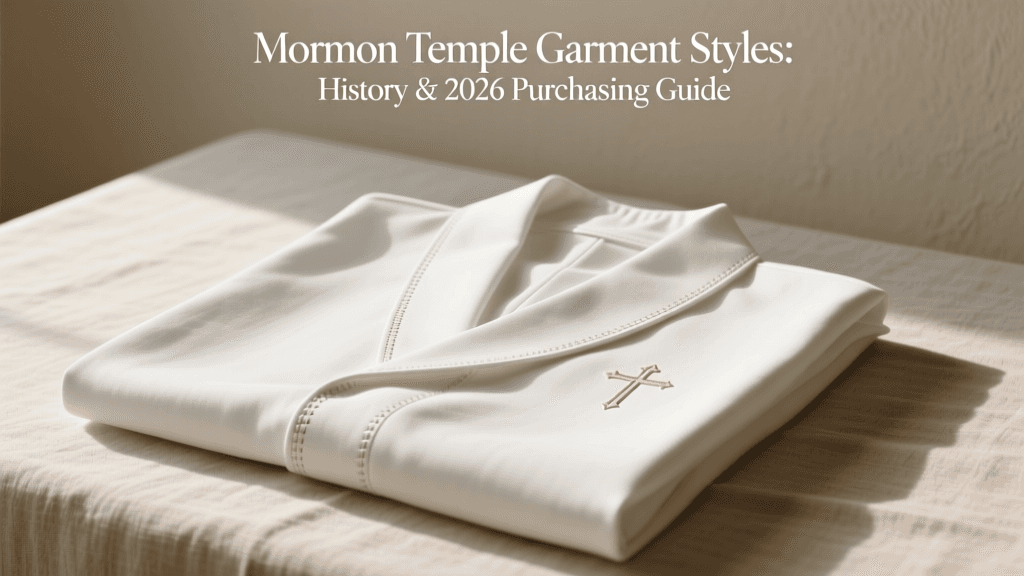
Understanding LDS Temple Garments in 2026
For members of The Church of Jesus Christ of Latter-day Saints, temple garments represent a deeply sacred and personal commitment. Often referred to in mainstream culture simply as "Mormon garments" or "LDS clothing," these undergarments are worn by endowed members as a daily, physical reminder of the covenants they make in sacred temples. Unlike everyday apparel, temple garments are not merely functional; they hold profound spiritual significance, serving as a personal shield and a constant reminder of the wearer's dedication to living a Christ-centered life.
As we navigate the clothing options available in 2026, the Church has continued to refine the materials, cuts, and accessibility of these garments to meet the diverse needs of a global membership. Whether you are a newly endowed member preparing to purchase your first set, a researcher studying American religious textile traditions, or someone seeking to understand the practicalities of LDS sacred clothing, this comprehensive guide covers the history, modern styles, and purchasing processes relevant today.
The History and Evolution of Sacred Clothing
The origins of the LDS temple garment trace back to the early 1840s in Nauvoo, Illinois. When Joseph Smith introduced the temple endowment, he also introduced the concept of sacred undergarments. Early iterations were vastly different from what members wear in 2026. The original garments were one-piece union suits, featuring long sleeves and ankle-length legs, designed to cover the body modestly from the neck to the wrists and ankles. They were typically made of heavy cotton or wool flannel, reflecting the textile limitations and modesty standards of the 19th century.
Following the westward migration to the Salt Lake Valley under the leadership of Brigham Young, the garment remained a staple of faithful Latter-day Saint life. For decades, the one-piece design was standard, though minor adjustments were made for climate and comfort. It wasn't until the early-to-mid 20th century that the Church authorized a shift to the two-piece design (a separate top and bottom) that is universally recognized today. This transition allowed for greater mobility, better hygiene, and adaptation to modern outer clothing styles.
Throughout the late 20th and early 21st centuries, the Church Distribution system began introducing varied fabrics to accommodate different global climates. By 2026, the evolution of the garment reflects a careful balance between maintaining sacred, traditional markings and utilizing advanced textile engineering to provide comfort in everything from tropical humidity to freezing winters.
Spiritual Significance and Covenants
To understand why millions of people worldwide choose to wear these garments day and night, one must understand the theology behind them. According to the Gospel Topics Essay on Temple Garments, the clothing serves as a reminder of the covenants made in the temple. These covenants include promises to obey God's commandments, live morally pure lives, and dedicate oneself to the service of others.
The garments feature specific woven or embroidered markings that hold symbolic meaning, pointing the wearer toward Jesus Christ and His atoning sacrifice. They are often compared to the "Armor of God" described in the New Testament, providing spiritual protection against the temptations and moral challenges of the modern world. Furthermore, they establish a baseline for modesty, encouraging members to choose outer clothing that respects the sacred nature of the body.
2026 Garment Styles and Fabric Technologies
The 2026 catalog available through Church Distribution offers a highly diversified lineup of garments, catering to men, women, and youth (where applicable for specific temple ordinances). The modern focus is on breathability, stretch, and modesty-panel integration, ensuring that garments remain hidden beneath contemporary fashion trends while providing maximum comfort.
Men's Styles
For men, the standard lineup includes crew neck and V-neck t-shirts, available in both short and long sleeves. The bottoms range from traditional boxer-brief cuts to longer athletic-style shorts, designed to accommodate everything from business suits to gym wear. In 2026, the introduction of enhanced gusseted seams has significantly improved durability and mobility for active men.
Women's Styles
Women's garments have seen the most diverse expansion. The 2026 lineup features camisoles, cap-sleeves, and short-sleeve tops with varying necklines (scoop, V-neck, and round) to remain concealed under different blouses and dresses. A highly requested feature that is now standard is the "modesty panel"—an extra layer of fabric in the chest area that provides opacity when wearing sheer or lightweight outer clothing. Bottoms include standard briefs, boy-shorts, and capri-length options for wearing beneath skirts and dresses.
2026 Fabric Comparison Chart
Choosing the right fabric is essential for comfort, especially for missionaries serving in extreme climates or members living in tropical regions. Below is a comparison of the primary fabric blends available in 2026:
| Fabric Blend | Best Use Case | Key Features | Avg. Price (2026) |
|---|---|---|---|
| Stretch Cotton | Everyday wear, office, casual | Soft, breathable, 5% spandex for shape retention | $12 - $15 per piece |
| HeatGuard / Moisture-Wicking | Hot climates, athletics, summer | Advanced synthetic blend, rapid sweat evaporation, cooling | $16 - $19 per piece |
| Nylon / Cotton Blend | Daily wear, high durability needs | Lightweight, resists shrinking, dries quickly after washing | $13 - $16 per piece |
| Thermal / Fleece-Lined | Winter, cold-climate missions | Insulating inner layer, retains body heat without bulk | $18 - $22 per piece |
How to Purchase and Order in 2026
Purchasing temple garments is restricted to members of The Church of Jesus Christ of Latter-day Saints who have received their temple endowment. This restriction is enforced to maintain the sacred nature of the clothing. If you are an endowed member, you can purchase garments through several channels:
- Online Store: The official Church Distribution website allows members to log in with their Church Account, which verifies their endowed status, and order garments directly to their home.
- Distribution Centers: Physical stores located near temples and major Church hubs worldwide allow members to try on different sizes and feel the fabrics in person.
- Missionary Wardrobes: Full-time missionaries can order specialized bulk packages at discounted rates, often utilizing moisture-wicking fabrics suited for their specific mission climate.
In 2026, global shipping logistics have improved drastically, allowing members in remote areas of South America, Africa, and Asia to receive their orders within standard shipping windows, reducing the need to stockpile garments months in advance.
Sizing, Fit, and Modesty Guidelines
Proper fit is crucial. Garments are designed to fit snugly against the body but should never be restrictive or binding. A garment that is too loose may bunch up and cause discomfort, while one that is too tight can degrade the fabric faster and cause skin irritation. The Church provides detailed sizing charts online, recommending that members measure their chest, waist, and hips to find the ideal fit.
Modesty guidelines dictate that the garment should cover the body appropriately. The hem of the top should be long enough to remain tucked in or cover the midriff during normal movement, and the bottoms should provide adequate coverage on the upper thigh. When purchasing outer clothing, endowed members are encouraged to select items that do not expose the garment, honoring the principle of keeping sacred things private.
Care, Washing, and Respectful Disposal
Caring for temple garments is straightforward, but it requires mindfulness. They should be washed with regular laundry using standard detergents. However, members are advised to avoid harsh bleaches that might degrade the specialized elastic fibers or damage the sacred markings. Air drying is recommended for the HeatGuard and stretch blends to prolong the life of the spandex.
When a garment becomes worn, torn, or unusable, it must be disposed of respectfully. According to guidelines provided by the Church's Temple Preparation resources, members should cut out the sacred markings so they are no longer recognizable. The remaining fabric can then be discarded in the regular trash or repurposed as cleaning rags, ensuring the sacred symbols are never treated with contempt or exposed to public view.
Conclusion
The LDS temple garment is far more than a piece of clothing; it is a profound expression of faith, identity, and covenant-making. As of 2026, the integration of modern textile technology with deeply rooted historical symbolism allows members of The Church of Jesus Christ of Latter-day Saints to carry their spiritual commitments with them comfortably, no matter where their lives take them. Understanding the history, respecting the sacredness, and utilizing the modern purchasing options ensures that this beautiful American religious textile tradition continues to thrive in the modern era.