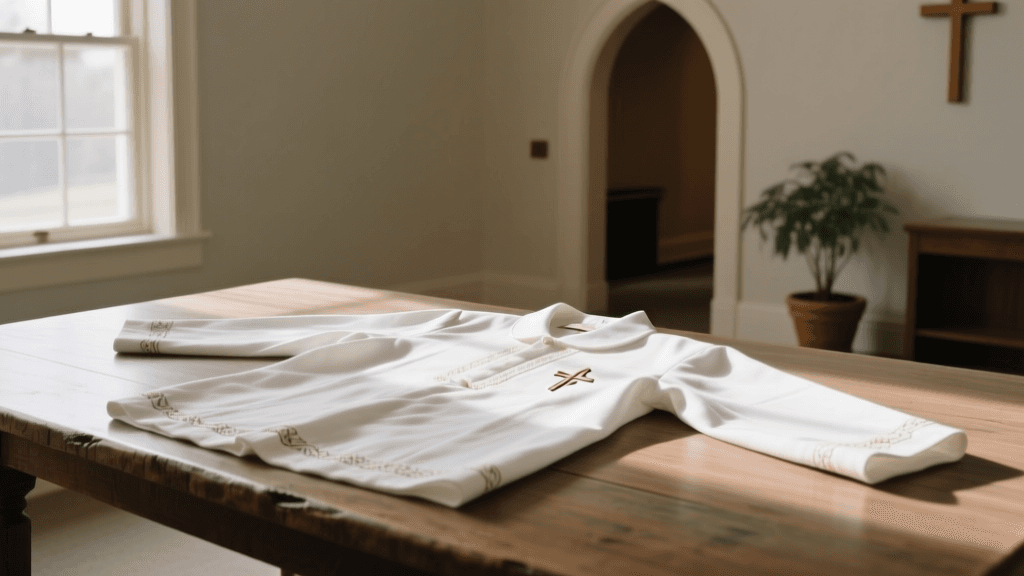
Mormon Temple Garments 2026: Complete Guide, History & Styles
Introduction to Latter-day Saint Sacred Clothing
Within the rich tapestry of religious and traditional garments across the Americas, the temple garments worn by endowed members of The Church of Jesus Christ of Latter-day Saints hold a uniquely sacred position. Often referred to simply as "garments" or "Mormon underwear" by those outside the faith, these garments are far more than functional underclothing. They serve as a deeply personal, spiritual reminder of covenants made with God. As we navigate the textile landscape in 2026, the design, fabric technology, and purchasing methods for these garments have evolved to meet the needs of a global membership while strictly maintaining their sacred symbolism.
This comprehensive guide explores the historical evolution of LDS temple garments, breaks down the current 2026 catalog of styles and fabrics, and provides actionable advice on sizing, purchasing, and respectful care. Whether you are a researcher studying American religious textiles, a newly endowed member preparing for your first purchase, or a curious observer, this guide offers an authoritative look at this deeply meaningful garment.
The Historical Evolution of Temple Garments
To understand the 2026 iteration of the temple garment, one must look back to its origins in the 19th century. The garment was introduced by Joseph Smith, the founding prophet of the Latter-day Saint movement, in 1842 in Nauvoo, Illinois. It was established as part of the temple endowment ceremony, a sacred ordinance that includes making covenants with God. Historically, the original garment was a one-piece "union suit" style that extended to the wrists and ankles, reflecting the modesty standards and undergarment styles of the Victorian era.
As the Church grew and members migrated to the American West, and eventually across the globe, practical adaptations became necessary. In the early 20th century, the Church leadership authorized modifications to accommodate changing cultural norms and the realities of modern labor and climate. Sleeves were shortened to the elbow, and legs were shortened to the knee. By the mid-20th century, further adjustments allowed for shorter sleeves and legs, aligning the garment with contemporary undergarment silhouettes while preserving the required coverage and sacred marks.
The most significant structural shift occurred in the late 20th century when the Church introduced the two-piece garment (a separate top and bottom), which remains the standard today. This evolution highlights a core principle of the garment: the sacred symbols and the coverage they require are immutable, but the textile construction, fabric, and cut can adapt to the wearer's environment and era. According to the Church's official Gospel Topics essay on Temple Garments, the focus remains entirely on the spiritual covenants the garment represents, rather than the specific tailoring of the cloth.
Spiritual Significance and Symbolic Marks
The defining feature of the temple garment is the inclusion of specific woven or embroidered marks. These symbols are not magical talismans; rather, they serve as tactile, visual reminders of the wearer's promises to God. The marks include the square, the compass, the navel, and the knee, each representing distinct spiritual concepts such as honor, integrity, eternal progress, and the importance of prayer.
For endowed members, wearing the garment is a daily commitment. It is often described as a "shield" or "armor"—not necessarily providing physical invulnerability, but offering spiritual protection by keeping the wearer mindful of their covenants throughout the trials of daily life. Because of this profound significance, members are instructed to wear the garment both day and night, removing it only for activities where it would be impractical or disrespectful to do so, such as swimming, showering, or participating in contact sports.
2026 Garment Styles, Fabrics, and Sizing
The Church Distribution catalog for 2026 reflects years of textile research and member feedback, resulting in a streamlined, highly comfortable lineup. The Church has phased out less popular cuts to focus on versatile, high-quality options that suit diverse climates and body types. Below is a breakdown of the current styles and their best use-cases.
| Garment Component | Available 2026 Styles | Recommended Fabric by Climate/Activity |
|---|---|---|
| Women's Tops | Camisole, Cap-Sleeve, Short-Sleeve, Caraco | Mesh (Hot/Humid), Cotton (Moderate/Daily) |
| Men's Tops | Crew Neck, V-Neck, Low Neck | Stretch Cotton (Active), Nylon (Travel) |
| Bottoms (All) | Knee-Length, Mid-Thigh, Capri (Women) | Nylon (Quick-Dry), Cotton (Sensitive Skin) |
Fabric Technologies in 2026
- Cotton: The traditional choice. Breathable, soft, and ideal for sensitive skin, though it retains moisture during heavy exertion.
- Stretch Cotton: A blend of cotton and spandex that offers a more tailored, athletic fit without sacrificing the natural feel of cotton.
- Mesh: A lightweight, highly breathable synthetic blend designed specifically for tropical climates, intense heat, or high-humidity environments.
- Nylon/Spandex: A sleek, moisture-wicking fabric that dries rapidly. It is the top recommendation for travelers, hikers, and athletes in 2026.
Sizing and Fit Guidelines
A proper fit is essential for both comfort and modesty. Garments should fit snugly against the body so they do not bunch up under clothing, but they should never be so tight that they restrict movement or cause the fabric to stretch transparently over the marks. In 2026, the online sizing tool provided by Church Distribution uses precise chest, waist, and inseam measurements. Members are strongly encouraged to measure themselves with a soft tailor's tape rather than relying on standard retail clothing sizes, as garment sizing is uniquely calibrated.
How to Purchase Temple Garments in 2026
Unlike secular clothing, temple garments are not available in commercial retail stores. They are exclusively distributed through the Church's official distribution network. To purchase garments, an individual must be an endowed member in good standing and possess a current, valid temple recommend.
Purchasing can be done in two primary ways:
- In-Person at Distribution Centers: Located adjacent to many temples and major Church facilities worldwide, these centers allow members to feel the fabrics and try on sample sizes. Staff members are trained to assist with fitting in a respectful, private environment.
- Online via the Church Store: The official Church Distribution store portal requires members to log in with their Church Account, which verifies their temple recommend status automatically. The 2026 online interface offers high-resolution fabric close-ups and detailed measurement charts.
As of 2026, individual garment pieces typically range from $9 to $14 USD, depending on the fabric technology selected. The Church operates these stores on a non-profit basis, pricing garments only to cover manufacturing, shipping, and distribution costs.
Proper Care, Washing, and Respectful Disposal
Caring for temple garments requires a balance of practical hygiene and spiritual reverence. Members are taught to treat the garments with respect, keeping them clean and in good repair.
Laundering Best Practices
Garments can and should be washed with regular laundry. However, to preserve the integrity of the fabric and the sacred marks, consider the following 2026 care guidelines:
- Washing: Use cold or warm water with standard detergent. Avoid harsh bleach, especially on cotton garments, as it can degrade the fibers and fade the woven marks over time.
- Drying: Tumble dry on low or medium heat. High heat can destroy the spandex in stretch and nylon blends, causing the garments to lose their shape and elasticity.
- Ironing: If ironing is necessary, use a low heat setting and avoid ironing directly over the embroidered or woven marks to prevent scorching the threads.
Respectful Disposal of Worn Garments
When a garment becomes worn, torn, or stretched beyond repair, it must be disposed of in a specific, respectful manner. Members are instructed never to throw a whole garment into the trash or donate it to thrift stores or charities.
The correct disposal method involves carefully cutting out the sacred marks from the fabric using fabric scissors. Once the marks are removed, they must be completely destroyed (typically by cutting them into small, unrecognizable pieces or burning them privately). The remaining fabric, which no longer holds any sacred significance, can be discarded in the regular trash or repurposed as household cleaning rags. This process ensures that the symbols of the covenants are never treated with contempt or exposed to public view.
Navigating Modern Life with Sacred Covenants
Wearing the garment in the modern world requires thoughtful planning, especially for athletes, travelers, and those living in extreme climates. For swimming, members are instructed to remove the garment and wear standard, modest swimwear. For contact sports like rugby or martial arts, the garment may be temporarily removed to prevent injury or damage to the fabric, and replaced immediately afterward.
In 2026, the availability of moisture-wicking nylon and ultra-breathable mesh fabrics has made it easier than ever for members to maintain their covenants comfortably, whether they are navigating the humid streets of a Central American metropolis, hiking the arid trails of the American Southwest, or enduring the harsh winters of North America.
Conclusion
The Mormon temple garment is a profound intersection of faith, history, and textile design. From its origins as a 19th-century union suit to the highly engineered, climate-adaptive garments of 2026, the physical cloth has changed, but the spiritual purpose remains entirely unchanged. For the millions of Latter-day Saints who wear them, these garments are a quiet, constant companion—a wearable sanctuary that anchors the soul to the divine amidst the demands of the modern world.