Mormon Temple Garments 2026: Complete History & Style Guide
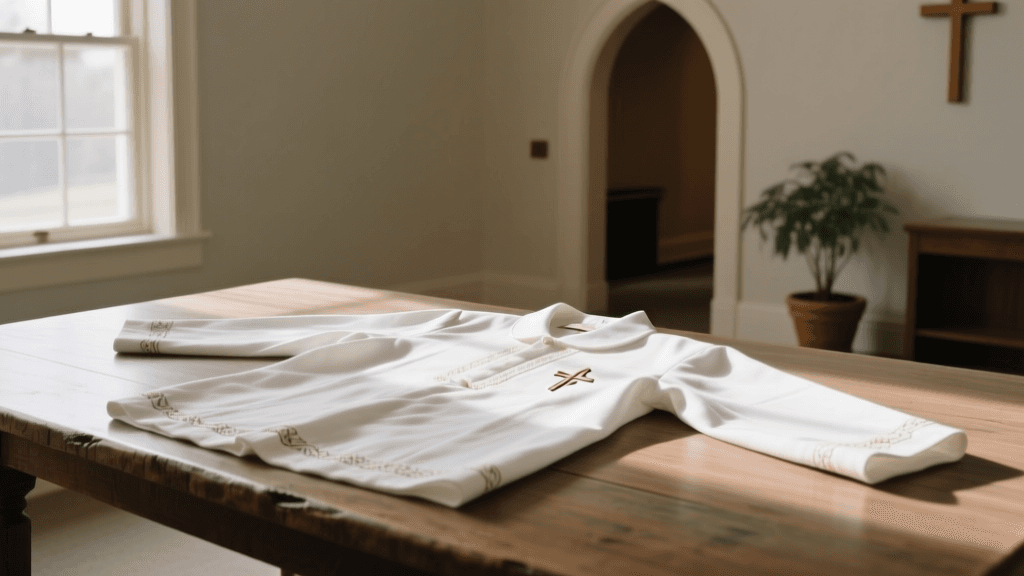
Introduction to LDS Temple Garments
For members of The Church of Jesus Christ of Latter-day Saints (often referred to as the LDS or Mormon Church), temple garments represent a deeply sacred and deeply personal aspect of their faith. Worn beneath everyday clothing, these garments serve as a constant, physical reminder of the covenants made within the walls of sacred temples. As of 2026, the Church's Distribution Services has streamlined the process of designing, manufacturing, and distributing these garments globally, offering a wider array of modern fabrics and inclusive sizing than ever before. Whether you are a newly endowed member preparing to purchase your first set, a researcher studying American religious textile traditions, or simply curious about the intersection of faith and clothing, this comprehensive 2026 guide covers the history, theology, styles, and practical purchasing information for Mormon temple garments.
The Historical Origins of the Garment
The origins of the temple garment trace back to the early 1840s in Nauvoo, Illinois. During this period, the founder of the faith, Joseph Smith, introduced the temple endowment—a sacred ceremony involving covenants and instructions. According to historical archives preserved by the Joseph Smith Papers project, the initial garments were introduced as part of this endowment ceremony. Early iterations were markedly different from what members wear today. They were essentially one-piece union suits, extending from the wrists to the ankles, featuring specific woven or embroidered markings that held deep theological significance tied to ancient biblical traditions and the armor of God.
Following the migration to the Salt Lake Valley under the leadership of Brigham Young, the garment became a standard element of daily life for endowed members. Throughout the late 19th and early 20th centuries, the garment remained largely unchanged in its one-piece design, which was typical of the undergarments worn by the general American public during the Victorian and Edwardian eras. However, as mainstream fashion evolved, so too did the garment, balancing the need for modesty and sacred markings with the practicalities of modern dress.
Theological Significance and Sacred Covenants
To understand the garment, one must understand its purpose. It is not considered magical or protective in a superstitious sense; rather, it is a spiritual reminder. The Church's General Handbook outlines that garments remind the wearer of their covenants to live righteously, follow Jesus Christ, and maintain personal purity. They are often compared to the "Armor of God" described in the New Testament book of Ephesians, providing a spiritual shield against temptation and a constant tactile reminder of one's commitments.
The markings on the garments are deeply sacred to Latter-day Saints and are not discussed casually in public forums. They correspond to specific teachings received during the temple endowment, linking the modern worshipper to ancient patriarchs and the broader narrative of the Plan of Salvation. Because of this sacred nature, members are instructed to treat the garments with the utmost respect, never exposing them to public view or treating them as casual apparel.
Evolution of Design: From Union Suits to Modern Two-Piece
The most significant structural shift in the garment's history occurred in the 1920s and 1930s, when the Church authorized the transition from the one-piece union suit to a two-piece design (a separate top and bottom). This change was largely driven by the practical needs of members serving in warmer climates, engaging in active labor, and adapting to the shifting fashion norms of the 20th century.
Further modifications were approved in the late 20th and early 21st centuries to accommodate modern clothing styles. For example, as women's fashion shifted to include sleeveless tops and shorter hemlines, the Church introduced cap-sleeve and camisole-style garment tops. In 2026, the design philosophy continues to prioritize the preservation of the sacred markings and the core modesty requirements (covering the shoulders, midriff, and upper thighs) while utilizing advanced textile engineering to ensure comfort in a globalized, highly active membership.
2026 Guide to Garment Styles and Fabrics
As of 2026, the Church offers a highly diversified catalog of garment styles to suit different body types, climates, and lifestyle needs. The purchasing portal allows members to filter by neckline, sleeve length, and fabric technology.
Women's Styles
- Camisole: Features thin straps, ideal for wearing under sleeveless dresses or tops while maintaining the required coverage of the sacred markings.
- Cap Sleeve: A slightly broader shoulder cut that provides excellent coverage for standard t-shirts and blouses.
- Short Sleeve & Elbow Length: Preferred for winter months or for wearing under sheer or wide-necked clothing.
Men's Styles
- Crew Neck: The traditional cut, ideal for standard button-down shirts and casual wear.
- V-Neck: Designed to remain hidden under unbuttoned collared shirts or deep-neckline tees.
- Low-Cut / Athletic: Tailored for activewear and deep-neckline athletic gear.
2026 Fabric Comparison Chart
The textile options available in 2026 reflect major advancements in breathable, moisture-wicking materials. Below is a comparison of the current fabric offerings:
| Fabric Type | Material Composition | Best Climate / Use Case | 2026 Approx. Price (Per Piece) |
|---|---|---|---|
| Classic Cotton | 100% Combed Cotton | Temperate climates, sensitive skin, everyday wear | $11.50 |
| Modal Blend | Modal / Spandex Blend | Active lifestyles, moderate heat, stretch comfort | $14.00 |
| Stretch Mesh | Nylon / Spandex Mesh | Hot, humid environments, tight-fitting clothing | $14.50 |
| Dri-Tek Performance | Polyester Microfiber Blend | Extreme heat, athletic training, tropical travel | $15.00 |
| Thermal Winter | Cotton / Polyester Fleece | Cold weather, outdoor winter labor | $16.50 |
How to Purchase Temple Garments in 2026
Purchasing temple garments is restricted to members of the Church who have received their own endowment and hold a current, valid temple recommend. This policy ensures that the sacred nature of the clothing is respected and that only those who have made the associated covenants are wearing them.
Ordering Online
The most common method for acquiring garments in 2026 is through the official Church Distribution store online portal. Members log in using their Church Account, which automatically verifies their temple recommend status via the Church's membership database. Once verified, users can browse the full catalog, select their sizes, and have the garments shipped directly to their homes in discreet, unmarked packaging. Global shipping networks have vastly improved, allowing members in South America, Asia, and Africa to receive their orders within standard international shipping windows.
Physical Distribution Centers
For those who prefer to try on different sizes and fabrics in person, physical Distribution Centers located adjacent to temples worldwide remain fully operational. These centers employ staff trained to assist with sizing and fabric selection. In 2026, many major temple visitors' centers also feature automated, self-service garment kiosks for quick restocking of standard sizes and fabrics.
Care, Repair, and Proper Disposal
Because of their sacred nature, garments must be treated with respect throughout their entire lifecycle. The Church provides clear guidelines on how to care for them:
- Washing: Garments should be washed with regular laundry, though many members prefer to use gentle detergents or wash them in mesh delicates bags to preserve the fabric and markings. They should not be left on the floor or treated disrespectfully.
- Repairing: If a garment tears or develops a small hole, members are encouraged to mend it respectfully rather than immediately discarding it, reflecting a principle of stewardship and sustainability.
- Disposal: When a garment becomes too worn, stretched out, or damaged to be worn respectfully, it must be disposed of properly. The official protocol requires members to cut out the sacred markings (which are then destroyed or burned) and cut the remaining fabric into unrecognizable pieces before placing it in the trash. This prevents the garments from being salvaged, worn by someone else, or treated as a secondhand novelty.
Conclusion
The Mormon temple garment is a profound intersection of American religious history, textile evolution, and deeply personal faith. From its origins as a 19th-century union suit in Nauvoo to the advanced, moisture-wicking, two-piece designs available in 2026, the garment has adapted to the modern world while fiercely protecting its sacred core. For endowed Latter-day Saints, it remains an intimate, daily anchor to their highest spiritual commitments.