Mormon Temple Garments Guide 2026: History, Styles & Fit

Understanding Mormon Temple Garments in 2026
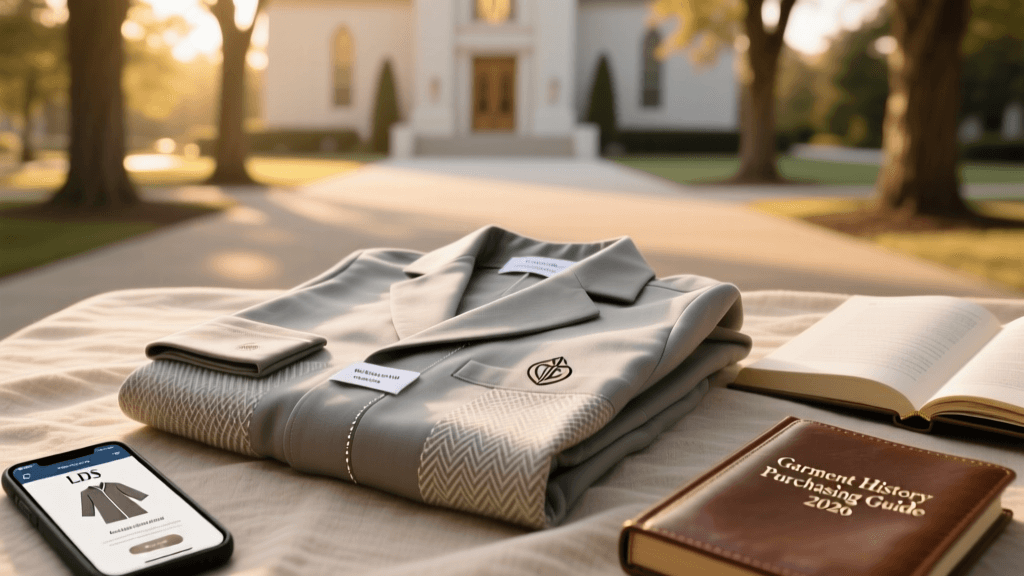
For endowed members of The Church of Jesus Christ of Latter-day Saints, traditional clothing extends far beyond outward cultural expressions and into the realm of deeply personal, sacred devotion. Mormon temple garments, often simply referred to as garments or sacred clothing, represent a foundational element of Latter-day Saint religious practice. As of 2026, the intersection of historical tradition and modern textile innovation has resulted in a diverse array of garment styles designed to accommodate the global membership of the Church across varying climates, lifestyles, and personal needs. This comprehensive guide explores the theological significance, historical evolution, modern fabric options, and the official distribution processes associated with these unique religious textiles.
Theological Significance and Purpose
To understand the importance of temple garments, one must look past the physical fabric and focus on the spiritual covenants they represent. According to the Gospel Topics library maintained by the Church, garments serve as a constant, physical reminder of the sacred promises made by members during the temple endowment ordinance. They are not considered magical, protective amulets, nor do they possess intrinsic mystical powers. Instead, they function similarly to other religious symbols worldwide, such as the Jewish tallit katan or the Sikh kara, serving to remind the wearer of their commitment to live a righteous, moral, and devoted life.
The garments feature specific woven or embroidered marks that hold symbolic meaning. These include the compass, representing the desire to keep one's life aligned with eternal truths; the square, symbolizing exactness, honor, and integrity in all covenants and dealings; the navel mark, representing the need for constant spiritual nourishment; and the knee mark, signifying reverence and the importance of prayer. Wearing these symbols against the skin throughout the day fosters a continuous mindset of spiritual mindfulness and modesty.
Historical Evolution: From Nauvoo to the Modern Era
The origins of the temple garment trace back to the early 1840s in Nauvoo, Illinois. When the Prophet Joseph Smith introduced the temple endowment to early Church members in 1842, the garments were initially designed as full-length, one-piece undergarments, closely resembling the union suits common in 19th-century America. These early garments extended to the wrists and ankles and were made from heavy, unbleached cotton or linen, reflecting the textile limitations and modesty standards of the era.
As the Church expanded globally throughout the 20th and 21st centuries, the practicalities of wearing heavy, full-length undergarments in tropical climates and modern professional environments necessitated authorized adaptations. The Church leadership gradually approved modifications to the length and sleeve style, eventually transitioning to the two-piece sets (a separate top and bottom) that are standard today. By 2026, the historical trajectory of the garment reflects a careful balance between preserving sacred, unalterable symbols and adapting the surrounding fabric to meet the ergonomic and climatic needs of a diverse, international membership.
Common Misconceptions Addressed
Because temple garments are worn beneath everyday clothing and are considered sacred rather than secret, they have historically been the subject of public curiosity and misunderstanding. A primary misconception is that garments are meant to be hidden out of shame. In reality, members are simply instructed to treat them with respect and keep them covered by outer clothing as a matter of modesty and reverence for their sacred nature. Another misconception is that the garments restrict physical activity or modern fashion. In 2026, the wide variety of necklines, sleeve lengths, and stretch fabrics available allows members to participate in rigorous athletics, wear professional business attire, and engage in daily life without physical hindrance, provided their outer clothing maintains basic standards of modesty.
2026 Garment Styles and Fabric Options
The modern distribution system offers an extensive catalog of styles tailored to different body types and personal preferences. For men, options generally include crew-neck and v-neck tops, paired with boxer-brief or traditional brief bottoms. For women, the catalog is even more diverse, featuring cap-sleeve, short-sleeve, and sleeveless tops with varying necklines (such as v-neck, scoop, and rounded), alongside carmen, brief, and maternity-style bottoms.
The most significant advancements in recent years have been in textile engineering. Members living in different global regions require vastly different material properties. The Church's official page on Temple Clothing and Garments outlines the importance of selecting fabrics that allow members to wear their sacred clothing comfortably year-round. Below is a breakdown of the primary fabric categories available through the official Church Distribution store in 2026.
Official Fabric Comparison Chart
| Fabric Type | Best Climate | Stretch Factor | 2026 Price Tier |
|---|---|---|---|
| 100% Cotton | Temperate / Mild | Low | Standard |
| Modacrylic Blend | Cool / Cold | Medium | Standard |
| Stretch Cotton Blend | All Climates | High | Premium |
| Mesh / Micro-Knit | Tropical / Hot / Humid | High | Premium |
| Sustainable Bamboo | Warm / Sensitive Skin | High | Premium |
The introduction of sustainable bamboo blends and advanced micro-knit meshes in 2026 highlights the distribution center's commitment to eco-friendly manufacturing and enhanced moisture-wicking capabilities, ensuring that members in equatorial regions can maintain their religious commitments without suffering from heat exhaustion or skin irritation.
Purchasing Guidelines and Distribution in 2026
Unlike standard retail apparel, temple garments cannot be purchased by the general public or in commercial department stores. Access to purchasing is strictly limited to members of the Church who have received their temple endowment and hold a current, valid temple recommend. This policy ensures that the sacred nature of the clothing is respected and that it remains exclusively within the community of covenants.
In 2026, the primary method of acquisition is through the Church's secure online distribution portal, which features enhanced sizing algorithms and virtual fit-assistants to help members order the correct dimensions from home. The portal requires members to log in with their official Church account, which automatically verifies their endowment status. Additionally, physical Church Distribution centers located near major temples and in high-density Latter-day Saint populations (such as Utah, Idaho, and parts of Latin America) continue to offer in-person fittings and immediate purchases. Pricing in 2026 is heavily subsidized by the Church to ensure that financial barriers do not prevent members from obtaining the sacred clothing they need, with multi-pack discounts available to ease the economic burden of maintaining a full wardrobe of garments.
Care, Maintenance, and Respectful Disposal
Because of their sacred nature, the care and disposal of temple garments require specific protocols that differ from ordinary laundry. Members are instructed to wash garments with care, using standard detergents and avoiding harsh bleaching agents that might degrade the woven marks or damage the specialized 2026 stretch fabrics. They should be treated with the same respect as any other religious artifact.
When garments become overly worn, torn, or no longer fit, they cannot simply be thrown into the public trash or donated to thrift stores. The established protocol for disposal requires members to carefully cut out the sacred marks (the compass, square, navel, and knee symbols). These marks are then destroyed or disposed of privately and respectfully. The remaining fabric, once stripped of its sacred symbols, is no longer considered a garment and can be discarded in the regular waste stream or repurposed as cleaning rags. This meticulous process underscores the profound reverence members hold for the covenants the garments represent.
Final Thoughts
The Mormon temple garment stands as a unique intersection of American religious history and modern textile science. As we navigate 2026, the continued evolution of garment fabrics and styles demonstrates a faith community's dedication to preserving ancient spiritual covenants while thoughtfully adapting to the practical realities of the modern, globalized world. For those studying traditional and religious dress in the Americas, the LDS garment offers a profound case study in how sacred clothing shapes daily identity, modesty, and spiritual devotion.