Modern Qipao Styling: A Guide to Cheongsam Evolution
The Evolution of the Qipao: From 1920s Shanghai to Modern Runways
The qipao, also known as the cheongsam, is arguably the most recognizable garment in Chinese fashion history. However, the modern iteration of this iconic dress is vastly different from its origins. According to the Victoria and Albert Museum, the qipao evolved from the loose, flowing robes of the Qing Dynasty into the tailored, figure-hugging silhouette that gained international fame in 1930s Shanghai. Interestingly, its initial popularization in the 1920s was rooted in early feminist movements; young women and students adopted the garment to mimic the traditional long robes worn by men, symbolizing a demand for gender equality and educational rights. Today, the garment is experiencing a massive renaissance, driven by the 'Xin Zhongshi' (New Chinese Style) movement, which blends traditional tailoring with contemporary, everyday wearability.
The Shift to Xin Zhongshi (New Chinese Style)
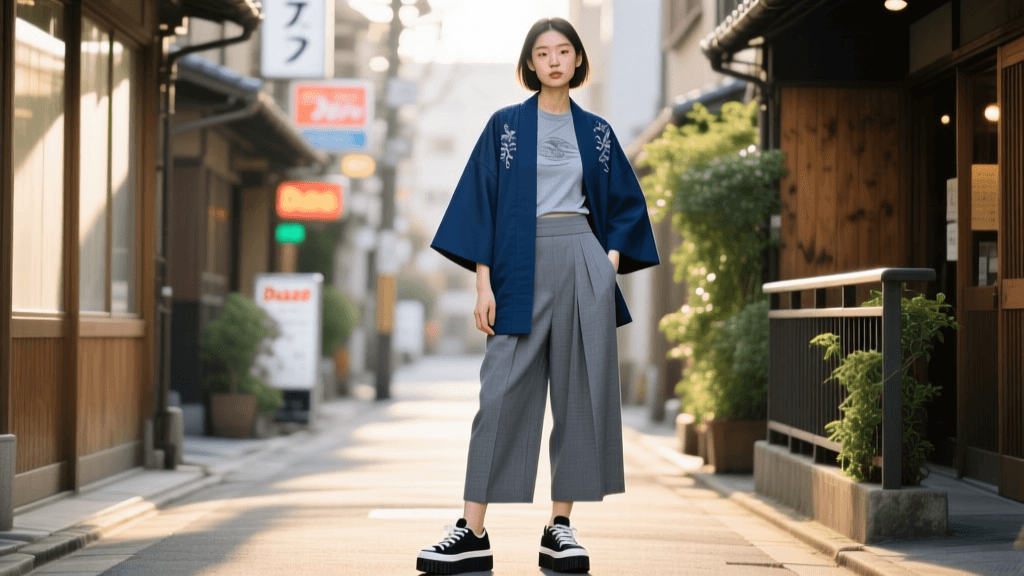
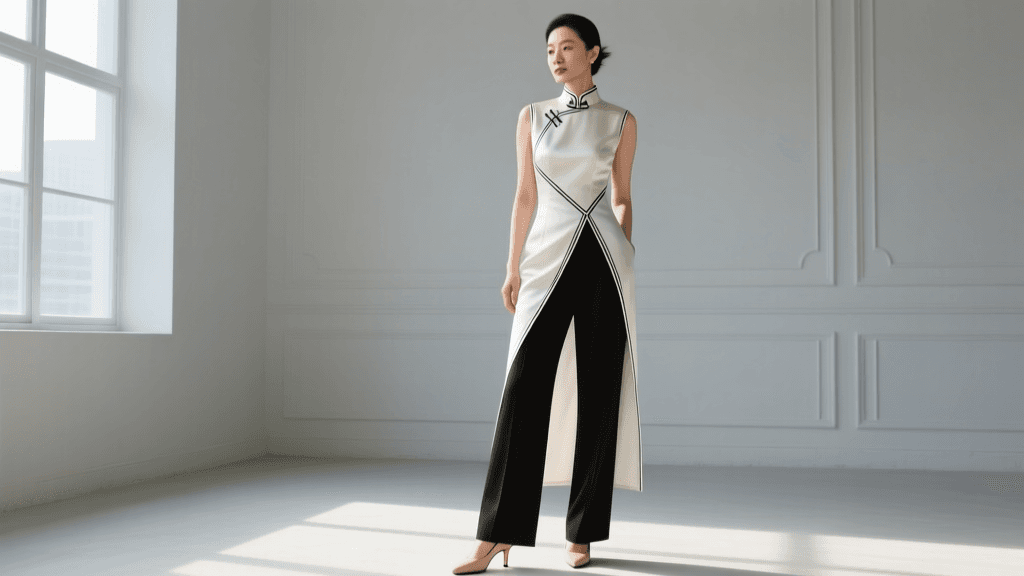
While the mid-century qipao was heavily structured, utilizing stiff brocades, high mandarin collars, and restrictive side slits, the modern 'Xin Zhongshi' movement prioritizes comfort, versatility, and inclusivity. Designers are deconstructing the traditional cheongsam, introducing dropped shoulders, A-line skirts, breathable linen blends, and even streetwear-inspired elements like cargo pockets or oversized fits. This evolution has transformed the qipao from a garment reserved strictly for weddings and formal banquets into a staple of the modern, fashion-forward wardrobe. Furthermore, the New Chinese Style movement has embraced gender-neutral styling, with oversized, deconstructed qipao jackets and tunics being worn by individuals of all genders, completely dismantling the hyper-feminine stereotypes of the mid-20th century.
How to Measure for a Modern Qipao: A Practical Guide
Whether you are ordering a custom-made cheongsam from a tailor in Shanghai or buying a ready-to-wear piece online, precise measurements are critical. The traditional qipao leaves little room for error, but modern styling allows for strategic 'ease' (extra fabric for movement and comfort).
Essential Measurement Points
- Bust: Measure around the fullest part of your chest. For traditional, non-stretch silk brocade, add 2-4 cm of ease. For modern stretch crepe or jersey, you can use your exact measurement or subtract 1 cm for a compressive, sleek fit.
- Waist: Measure at your natural waistline (the narrowest part of your torso). Add 2 cm of ease for woven fabrics to ensure you can sit, eat, and breathe comfortably without straining the delicate frog closures.
- Hips: Measure around the fullest part of your hips and buttocks. This is crucial for the iconic side slits; if the hip measurement is too tight, the slits will pull open awkwardly and restrict your walking stride. Add 3-4 cm of ease.
- Hollow to Hem: Measure from the hollow of your collarbone down to your desired hemline. For a modern, tea-length daily qipao, aim for 105-110 cm. For a dramatic, formal floor-length piece, measure down to 140 cm (depending on your height and heel preference).
- Collar Height: Traditional collars are 4-5 cm high, which can restrict neck movement and cause chafing over long periods. For daily wear, request a 'low collar' (2.5-3 cm) or a modified V-neck with a mock-collar illusion to maintain the aesthetic without the discomfort.
Fabric Selection: Matching Material to the Occasion
The fabric dictates the drape, formality, and care requirements of your qipao. The Metropolitan Museum of Art has extensively documented how Chinese textiles, from intricate silk embroideries to modern synthetic blends, shape the cultural narrative of the dress. Here is a practical breakdown of fabrics for the modern consumer:
- Silk Brocade (Zhi Jin): Heavy, structured, and opulent. Best for winter weddings, formal galas, or diplomatic events. Requires professional dry cleaning. Cost: $80 - $200+ per yard.
- Stretch Crepe: A modern favorite. It offers the elegant drape of silk but with 5-10% elastane for exceptional comfort. Ideal for office wear, cocktail parties, and travel. Hand-washable. Cost: $30 - $60 per yard.
- Cotton-Linen Blends: The cornerstone of the Xin Zhongshi movement. Breathable, matte, and slightly textured. Perfect for summer travel, tea ceremonies, art gallery visits, and casual daily wear. Machine washable on gentle. Cost: $15 - $35 per yard.
- Velvet: Luxurious, warm, and light-absorbing. A staple for autumn and winter evening events. Pairs beautifully with modern pearl or metallic accessories. Dry clean only. Cost: $40 - $90 per yard.
Contemporary Styling: Integrating the Cheongsam into Daily Wear
The biggest hurdle for modern consumers is figuring out how to wear a qipao without looking like they are in a period drama or heading to a traditional banquet. The secret lies in juxtaposition—pairing the traditional silhouette with contemporary, grounded accessories.
| Occasion | Qipao Style & Fabric | Footwear & Outerwear | Estimated Budget (USD) |
|---|---|---|---|
| Casual Weekend / Cafe | Short-sleeve, A-line cotton-linen, knee-length | White leather sneakers, oversized denim jacket | $60 - $120 |
| Office / Business Casual | Midi-length, stretch crepe, low mandarin collar | Chunky loafers, tailored wool blazer, minimalist tote | $150 - $250 |
| Evening Cocktail / Date | Sleeveless, silk satin or velvet, thigh-high slit | Strappy heels, leather moto jacket, statement earrings | $200 - $400 |
| Winter Wedding / Gala | Long-sleeve, heavy brocade, floor-length | Embroidered heels, faux-fur stole, pearl clutch | $350 - $800+ |
Layering for Transitional Weather
The qipao is surprisingly adaptable to layering, making it a year-round wardrobe staple. In the autumn, a sleeveless or short-sleeve midi qipao can be worn over a fitted, ribbed turtleneck sweater. This not only adds warmth but creates a chic, textural contrast that is highly popular in modern Asian street style. For outerwear, avoid traditional silk shawls unless you are attending a formal cultural event. Instead, opt for a structured trench coat, an oversized boyfriend blazer, or a cropped leather jacket to anchor the look firmly in the 21st century.
Footwear and Accessories
Ditch the traditional embroidered silk shoes for daily wear. Chunky loafers, minimalist white sneakers, and knee-high leather boots are the current standard for styling the modern cheongsam. When it comes to jewelry, avoid matching jade sets, which can age the wearer and lean too heavily into costume territory. Instead, choose geometric gold pieces, chunky silver chains, or modern resin bangles to emphasize the avant-garde 'Xin Zhongshi' aesthetic.
Garment Care and Maintenance
Proper care ensures your qipao retains its shape, color, and structural integrity over decades. Because many traditional qipaos feature delicate handmade frog buttons (pankou) and internal boning or silk lining, they require specific attention.
- Washing: Never machine wash silk brocade, velvet, or heavily embroidered pieces. For cotton-linen blends, use a mesh laundry bag, cold water, and a mild, pH-neutral detergent. Always air dry flat to prevent the bias cut from stretching out of shape under the weight of water.
- Ironing: Use a low-heat steam iron. Always place a cotton pressing cloth between the iron and the garment, especially when dealing with synthetic blends, dark dyes, or silk, to avoid scorching or creating an unnatural shiny finish on the fabric surface.
- Storage: Do not hang heavy brocade or beaded qipaos on thin wire hangers, as the sheer weight will distort the shoulders and stretch the neckline. Use padded satin hangers. For long-term storage, fold the garment with acid-free tissue paper to prevent permanent creasing along the side slits and frog closures, and store in a breathable cotton garment bag.
Conclusion
The qipao is no longer a relic of the past or a rigid costume reserved for special occasions. Through the innovative lens of the Xin Zhongshi movement, the cheongsam has been reclaimed as a dynamic, living garment that breathes alongside modern life. By understanding proper measurements, selecting the right fabrics for your lifestyle, and embracing modern styling juxtapositions, anyone can integrate the profound elegance of the qipao into their contemporary wardrobe. Whether you are sipping coffee in a relaxed linen A-line cheongsam or attending a gala in structured silk brocade, the modern qipao offers a beautiful connection to Asian heritage while remaining fiercely relevant in global fashion.