Modern Qipao Fusion: How to Style the Cheongsam Today
The Renaissance of the Qipao in Modern Fashion
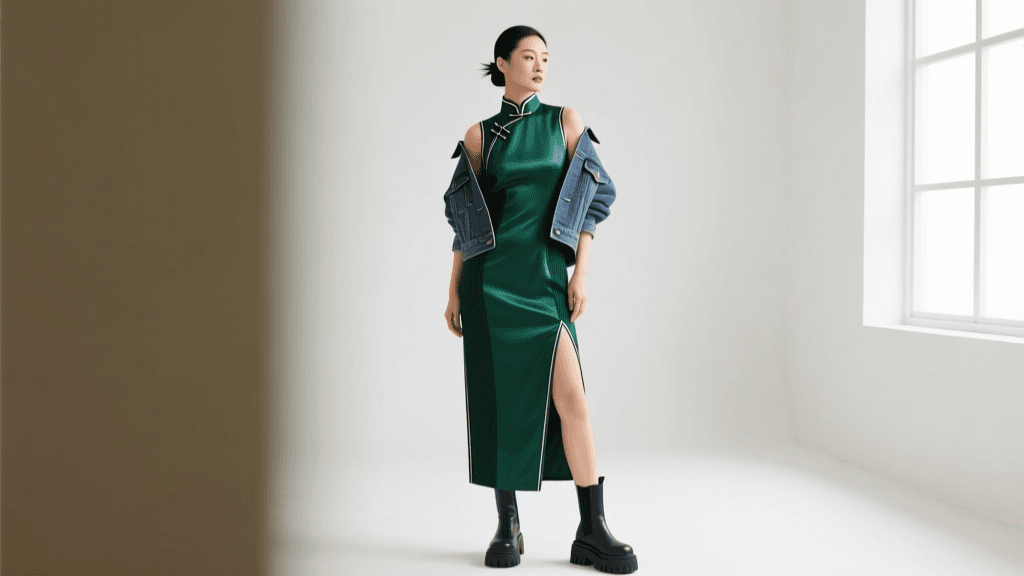
The qipao, also widely known as the cheongsam, is one of the most recognizable garments in Chinese cultural history. Originating as a loose, modest, and floor-length robe worn by Manchu women during the Qing Dynasty, it underwent a radical transformation in 1920s Shanghai. Today, the qipao is experiencing a massive renaissance, not merely as a historical artifact or formal wear for weddings and Lunar New Year celebrations, but as a dynamic staple in global fusion fashion. Modern designers and streetwear enthusiasts are deconstructing the traditional cheongsam silhouette, blending its iconic mandarin collars, asymmetrical lapels, and intricate pankou (knotted buttons) with contemporary textiles, avant-garde tailoring, and everyday casual wear.
This modern adaptation is driven by a desire to reclaim cultural heritage while making it relevant for the fast-paced, cosmopolitan lifestyles of the 21st century. As highlighted by the Victoria and Albert Museum, the qipao's evolution in 1920s Shanghai was itself a fusion of traditional Chinese aesthetics and Western sartorial techniques, such as the introduction of darts, set-in sleeves, and structured silhouettes. Today's fusion fashion is simply the next logical step in this ongoing evolution, proving that traditional Asian garments are living, breathing canvases for contemporary identity.
Traditional vs. Modern Fusion Qipao: A Comparison
Understanding the distinction between a traditional bespoke cheongsam and a modern fusion piece is essential for styling and purchasing. Below is a detailed comparison to help you navigate the market.
| Feature | Traditional Qipao | Modern Fusion Qipao |
|---|---|---|
| Silhouette | Form-fitting, pencil skirt, knee-to-ankle length | A-line, oversized, cropped, or asymmetrical hems |
| Fabrics | Silk brocade, mulberry silk, velvet, jacquard | Neoprene, vegan leather, cotton-linen, denim, organza |
| Collar | Stiff mandarin collar (3-5 cm high) | Lowered stand collar, V-notch, or collarless |
| Fastenings | Handmade silk pankou knots, hidden side zippers | Metal snaps, exposed industrial zippers, acrylic knots |
| Styling Context | Weddings, formal banquets, diplomatic events | Streetwear, office wear, clubbing, art galleries |
Actionable Styling Guide: Wearing the Modern Cheongsam
Integrating a qipao into a modern wardrobe requires a departure from strict traditional rules. The goal of fusion fashion is juxtaposition—pairing the elegant, structured lines of the cheongsam with relaxed, utilitarian, or edgy contemporary pieces.
1. Casual Streetwear Fusion
The streetwear approach thrives on breaking the formality of the qipao. Opt for a cropped, A-line qipao made from breathable cotton-linen blends or structured denim. Pair this with high-waisted, wide-leg cargo pants or distressed mom jeans. For footwear, chunky dad sneakers or heavy combat boots ground the outfit, adding an element of urban grit that contrasts beautifully with the delicate pankou knots at the neckline. In cooler months, layer a fitted, ribbed turtleneck underneath the sleeveless or short-sleeved qipao, and finish with an oversized bomber jacket.
2. Office and Smart-Casual
For a professional environment, the key is subtlety and comfort. Choose a midi-length qipao in a matte, wrinkle-resistant fabric like a wool-blend crepe or heavy silk. Modern fusion designs often feature a slightly relaxed fit through the torso, providing the necessary ease for sitting at a desk. Pair the qipao with a tailored, structured blazer draped over the shoulders. Keep accessories minimalist: geometric gold earrings and a sleek leather tote bag. Avoid overly flashy brocades; instead, rely on the architectural cut of the garment and the subtle detailing of the side slits to make a sophisticated statement.
3. Evening and Avant-Garde Haute Couture
For evening wear, fusion qipaos often experiment with dramatic proportions and unconventional materials. Look for designs featuring asymmetrical hemlines, exaggerated thigh-high slits with lace or tulle underlays, or garments crafted from vegan leather or metallic neoprene. Style with strappy architectural heels and bold, avant-garde silver jewelry. A popular modern styling hack is to wear a minimalist slip dress underneath a heavily embellished, sheer organza qipao, allowing the traditional silhouette to act as an ornate outer layer.
The Tailor's Blueprint: Measurements, Fit, and Comfort
One of the primary barriers to wearing a traditional qipao is the restrictive fit. Traditional tailoring often employs zero or even negative ease, requiring the garment to fit like a second skin. Modern fusion prioritizes mobility without sacrificing the iconic silhouette.
- Torso Ease: When ordering or buying a modern fusion qipao, look for a design that incorporates 2 to 4 centimeters of ease in the bust and waist. This allows for comfortable breathing and sitting while maintaining the elegant drape of the fabric.
- Collar Height: A traditional 4 cm mandarin collar can cause neck strain during extended wear. Modern adaptations frequently lower the collar to 1.5 or 2 cm, or introduce a subtle V-notch at the center front, providing relief while preserving the visual line of the neck.
- Side Slits: Traditional slits are positioned to allow for walking in a tight pencil skirt. In modern A-line or flared fusion qipaos, slits are sometimes removed entirely or replaced with inverted pleats, offering mobility while preventing the garment from riding up in windy conditions.
- Hemlines: While the traditional hem rests just above the ankle or mid-calf, modern streetwear fusion heavily utilizes the mini-qipao (ending mid-thigh) or the high-low asymmetrical hem, which mimics the flow of traditional Hanfu robes while keeping the qipao's structured bodice.
The modern qipao is not a relic of the past, but a living, breathing canvas for contemporary identity. By adjusting ease and hemlines, we democratize the garment for everyday life.
Fabric Selection: Beyond Silk Brocade
The choice of fabric dictates the drape, structure, and seasonal appropriateness of the qipao. While silk brocade remains the gold standard for traditionalists, fusion fashion has embraced a wider, more experimental textile palette.
- Neoprene and Scuba: These synthetic fabrics provide incredible structural integrity. They hold the sharp angles of the mandarin collar and the asymmetrical lapel without the need for heavy interfacing, resulting in a futuristic, sculptural look.
- Vegan Leather and PU: Ideal for autumn and winter, leather qipaos introduce a punk-rock edge. The material naturally molds to the body over time and pairs exceptionally well with heavy silver hardware.
- Organic Cotton and Linen: Perfect for summer streetwear. These breathable, matte fabrics strip away the formality of the qipao, making it suitable for weekend markets, casual brunches, and travel.
- Sheer Organza and Tulle: Used primarily in high-fashion fusion, these transparent fabrics are layered over modern undergarments or slip dresses, turning the qipao into an ethereal, floating overlay.
Sourcing and Cost Breakdown: Where to Buy
The market for qipaos is vast, ranging from fast-fashion interpretations to master-crafted bespoke pieces. Understanding the pricing tiers will help you make informed purchasing decisions based on your budget and authenticity requirements.
Mass-Market and Fast Fashion Fusion ($50 - $150)
Brands on platforms like Taobao, ASOS, and specialized indie streetwear labels often produce ready-to-wear fusion qipaos. These pieces typically utilize cotton blends, polyester, and faux leather. While they capture the aesthetic of the qipao, they often lack the internal tailoring (such as proper darting and bound seams) of higher-end garments. Expect standardized sizing with a focus on A-line and mini silhouettes.
Independent Designer Labels ($300 - $1,200)
For high-quality fusion fashion that respects traditional construction while pushing modern boundaries, look to contemporary Chinese designers. Labels such as Ms MIN, Samuel Gui Yang, and Uma Wang frequently incorporate qipao elements into their seasonal collections. These garments feature premium fabrics, innovative tailoring, and meticulous finishing. The global appetite for this high-end fusion was cemented during The Metropolitan Museum of Art's landmark exhibition, which showcased how Eastern silhouettes continue to influence Western and global haute couture.
Bespoke Traditional and Neo-Traditional ($800 - $3,000+)
If you desire a perfect fit with modern fabric choices, commissioning a bespoke qipao from a master tailor in Shanghai, Hong Kong, or specialized boutiques in global Chinatowns is the ultimate investment. Bespoke tailoring involves multiple fittings and allows you to select from thousands of silk and brocade swatches. You can request modern modifications, such as hidden pockets, lower collars, and contemporary lining fabrics, ensuring the garment is both culturally authentic and personally tailored to your modern lifestyle.
Conclusion
The modern adaptation of the qipao is a testament to the resilience and adaptability of Asian traditional garments. By fusing the historic elegance of the cheongsam with contemporary streetwear sensibilities, innovative textiles, and relaxed tailoring, a new generation of fashion enthusiasts is ensuring that the qipao remains a vibrant, relevant, and deeply personal expression of style. Whether you are pairing a denim mini-qipao with combat boots or draping a sheer organza cheongsam over a minimalist slip dress, the modern fusion qipao invites you to write the next chapter of its storied history.