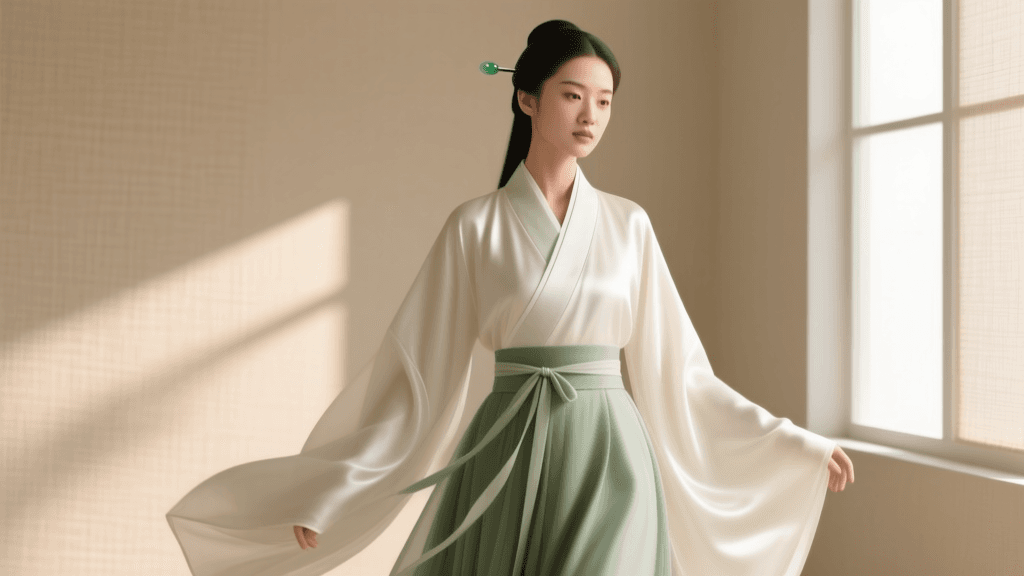
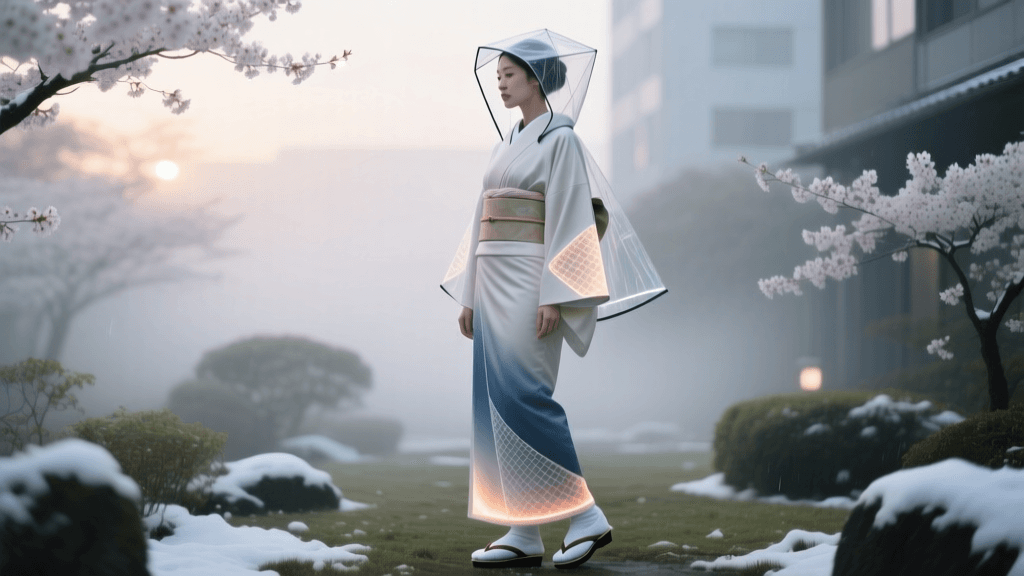
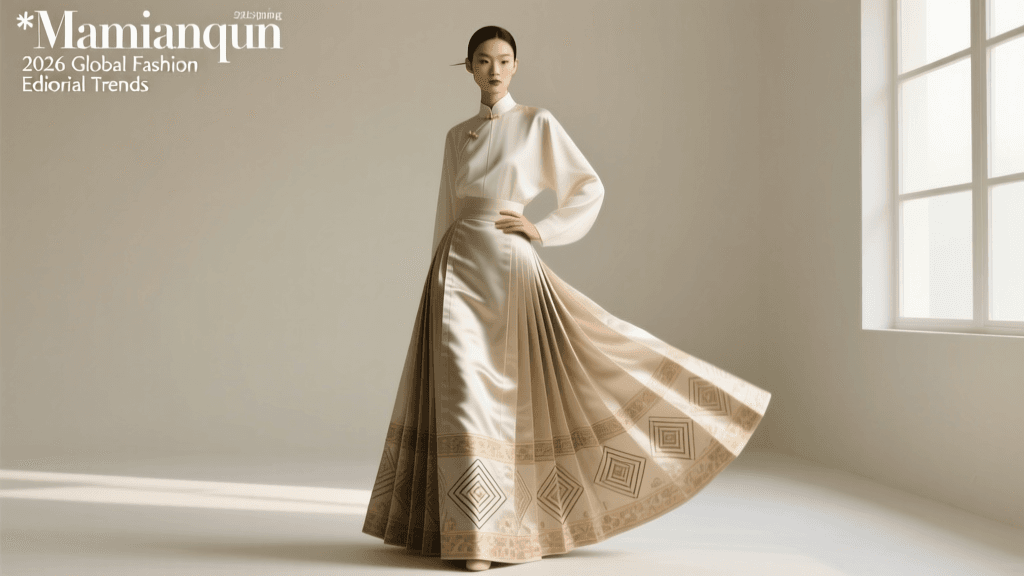
Neo-Traditional Japanese Fashion 2026: Haori & Hakama Guide
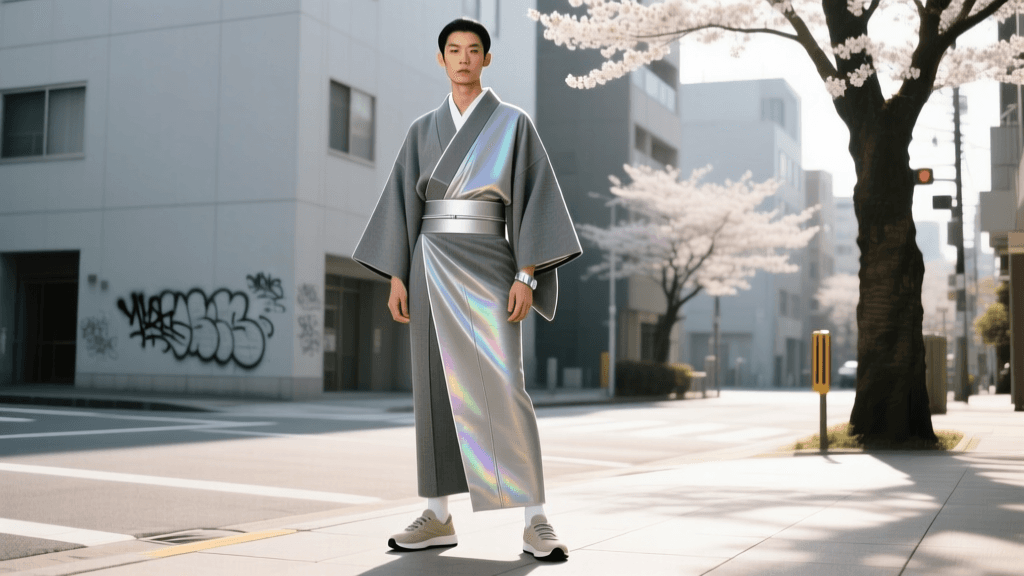
The Wafuku Renaissance: Redefining Japanese Heritage Wear in 2026
The landscape of Japanese fashion in 2026 is defined by a profound respect for heritage coupled with relentless technological and stylistic innovation. The concept of 'Neo-Wafuku' (neo-traditional Japanese clothing) has moved far beyond the niche boutiques of Harajuku and Daikanyama, becoming a global sartorial language. Today, fashion enthusiasts and designers are deconstructing centuries-old silhouettes, integrating them into contemporary wardrobes with a focus on modularity, sustainability, and everyday wearability. At the forefront of this movement are two iconic garments: the Haori and the Hakama. Once strictly bound by rigid ceremonial rules, these pieces are now the cornerstones of modern Japanese streetwear and elevated formal fashion.
Understanding the historical foundation of these garments is crucial for styling them correctly today. According to the Victoria and Albert Museum's authoritative guide on Kimono structure, the T-shaped silhouette and the intricate layering systems of Japanese garments were designed to convey social status, seasonality, and aesthetic refinement. In 2026, we honor this history not by replicating it rigidly, but by adapting its core philosophies to modern lifestyles.
The Modern Haori: Layering Heritage in Contemporary Streetwear
Originally worn as a protective jacket over the kimono by samurai and later adopted by merchants and geisha, the Haori has evolved into the ultimate transitional layering piece for 2026. Unlike the kimono, the Haori does not require an Ohashori (the waist fold), making it inherently more forgiving and easier to integrate into Western-style clothing.
Proportions and Styling Rules for 2026
The standard streetwear Haori in 2026 features a modified drop-shoulder and a length that hits precisely at the mid-thigh (approximately 80 to 90 centimeters from the nape of the neck). This specific length maintains the dramatic sweep of traditional garments without overwhelming the wearer's frame when paired with modern trousers.
- The Turtleneck Base: A fine-gauge merino wool or cashmere turtleneck in a muted Wasyoku (traditional Japanese color) like 'Ai' (deep indigo) or 'Sumi' (charcoal) provides a sleek, uninterrupted base that allows the Haori's Yuzen-dyed patterns to pop.
- Trouser Pairings: Avoid slim-fit jeans. The volume of the Haori demands balance. Opt for wide-leg wool trousers, pleated linen blends, or technical nylon cargo pants with adjustable drawstring hems.
- The Haori-Himo (Ties): Traditionally, Haori are tied at the front with decorative braided cords. In 2026, many neo-traditional designs feature hidden magnetic closures or minimalist internal toggle systems, though hand-braided silk Himo remain a popular accessory for formal neo-wafuku events.
Fabric Innovations
The Kyoto Costume Institute (KCI) has extensively documented the evolution of Japanese textiles, and 2026 marks a breakthrough in heritage fabric technology. We are now seeing 'Tech-Tango' silk—woven in the traditional Tango region but treated with a nano-hydrophobic coating, making vintage-style silk Haori entirely water-resistant and machine-washable on delicate cycles. Furthermore, AI-assisted pattern drafting has allowed independent artisans to create bespoke, mathematically perfect Yuzen dye alignments that were previously impossible by hand.
Hakama Trousers: From Ceremonial to Contemporary Silhouettes
The Hakama, characterized by its deep, structured pleats and wide stance, has historically been associated with martial arts, Shinto priests, and university graduation ceremonies. In 2026, the Hakama has been fully embraced by the global avant-garde and streetwear communities as a statement of architectural tailoring.
Umanori vs. Andon-Bakama in Modern Styling
There are two primary types of Hakama being reimagined today:
- Umanori-Bakama (Divided/Horse-riding Hakama): These feature a culotte-like split leg. In 2026, designers are producing Umanori Hakama from heavy-weight upcycled denim and recycled PET blends. The standard 5-pleat front and 1-pleat back configuration is maintained, but the waistband (Koshita) is often replaced with a modern, padded ergonomic belt system that eliminates the need for complex traditional tying methods.
- Andon-Bakama (Lantern Hakama): Unsplit and resembling a wide maxi-skirt, the Andon-Bakama is favored in high-fashion and gender-fluid styling. When paired with a cropped, structured jacket or a modernized Kimono-sleeve blouse, it creates a striking, monolithic silhouette.
The Met Museum's Influence on Modern Cuts
When examining the drape and movement of historical garments, designers frequently look to archival data. The Metropolitan Museum of Art highlights in its Heilbrunn Timeline of Art History how the Edo-period emphasis on the 'back view' (the beauty of the nape and the drape of the fabric down the spine) influenced garment construction. Modern 2026 Hakama designs honor this by utilizing weighted hems and memory-pleat technology, ensuring that the dramatic flare and structured drape remain intact even after hours of walking through a modern metropolis.
Footwear and Accessories: Tabi, Zori, and Tech-Geta
No Neo-Wafuku outfit is complete without the correct footwear. The split-toe Tabi has transcended its traditional cotton sock origins. In 2026, the 'Sneaker-Tabi' hybrid—featuring a traditional cotton or leather upper mounted on a chunky, vulcanized rubber or 3D-printed EVA foam sole—is the undisputed king of Japanese streetwear footwear. These provide the architectural aesthetic of the Tabi with the all-day comfort required for urban exploration.
For formal occasions, the traditional Zori and Geta have been updated. 'Tech-Geta' feature bases carved from lightweight, high-density polyurethane that mimics the acoustic 'clack' of Paulownia wood but weighs a fraction of the amount. Straps (Hanao) are now frequently crafted from vegan leather or upcycled automotive seatbelt materials, offering immense durability and a striking cyberpunk-meets-heritage aesthetic.
2026 Color Palettes: The Wasyoku Revival
Color in Japanese fashion is deeply tied to nature and the changing of the seasons. The 2026 Neo-Wafuku palette leans heavily into 'Wasyoku' (traditional Japanese colors), but with a modern, desaturated twist:
- Komachi (Deep Crimson): Used sparingly as an accent color in Haori linings or Hakama drawstrings.
- Uguisu (Olive-Brown): A dominant base color for outerwear, mimicking the Japanese bush warbler and pairing beautifully with both denim and black technical fabrics.
- Shironeri (Unbleached Silk): A warm, off-white that serves as the primary neutral for Andon-Bakama and inner layers, offering a softer alternative to stark optical white.
Care and Maintenance of Modern Wafuku
Maintaining heritage garments in a modern context requires updated care routines. While Tech-Tango silks can be gently machine-washed, vintage silk Haori and hand-pleated Hakama require specialized attention. In 2026, ultrasonic dry-cleaning services have become widely available in major global cities, using high-frequency sound waves in liquid solvents to lift dirt from delicate silk fibers without the harsh agitation that destroys traditional Yuzen dyes. For home care, investing in a smart garment steamer with a specialized 'Silk/Wool' micro-mist setting is essential for refreshing Hakama pleats without flattening the fabric's natural texture.
Comparison Chart: Traditional vs. Neo-Traditional Styling (2026)
| Garment Element | Traditional Context & Rules | 2026 Neo-Traditional Application | Typical 2026 Price Range (USD) |
|---|---|---|---|
| Haori Fabric | Pure silk, woven with metallic threads, strictly dry-clean only. | Tech-Tango coated silk, washable crepe, upcycled denim. | $180 - $850 |
| Haori Styling | Worn exclusively over a Kimono, tied with formal Himo cords. | Layered over turtlenecks, tees, or dresses; magnetic closures. | N/A (Styling) |
| Hakama Pleats | Hand-pressed silk or heavy polyester, requires meticulous folding. | Memory-pleat tech fabrics, permanent press recycled blends. | $120 - $600 |
| Footwear | Wooden Geta or woven straw Zori with velvet Hanao straps. | Sneaker-Tabi hybrids, PU Tech-Geta, vegan leather straps. | $90 - $450 |
| Underlayers | Juban (under-kimono) with specific collar placements. | Cashmere turtlenecks, crisp poplin shirts, mesh tech-wear. | $50 - $300 |
Sourcing Guide: Where to Build Your 2026 Wardrobe
Building a Neo-Wafuku wardrobe in 2026 is an exercise in mixing high-end contemporary designers with vintage treasures. For brand-new, tech-integrated Haori and Hakama, boutiques in Tokyo's Aoyama district and online platforms specializing in 'Wafuku-Tech' are the primary destinations. These platforms often utilize 3D body scanning via smartphone apps to ensure the shoulder drop and sleeve length (Sode) of the Haori perfectly match the wearer's proportions.
For those seeking authentic vintage pieces to upcycle or style as-is, the antique markets at Kyoto's To-ji Temple and Tokyo's Hanazono Shrine remain unparalleled. In 2026, a robust ecosystem of 'Remake' artisans operates near these markets, offering services to shorten vintage Haori hems, replace degraded silk linings with modern Cupro, and reinforce Hakama waistbands for daily streetwear use.
Conclusion: Wearing History Forward
Japanese fashion in 2026 proves that tradition is not a static museum exhibit, but a living, breathing dialogue between the past and the future. By understanding the structural brilliance of the Haori and the architectural grace of the Hakama, modern dressers can create outfits that are deeply rooted in cultural heritage while remaining fiercely contemporary. Whether you are navigating the streets of Shibuya or attending a formal gallery opening in New York, Neo-Wafuku offers a sophisticated, sustainable, and deeply personal approach to global style.