Modern Hanbok Silhouettes in 2026 Global Fashion Media
The Paradigm Shift: Hanbok in 2026 High Fashion Media
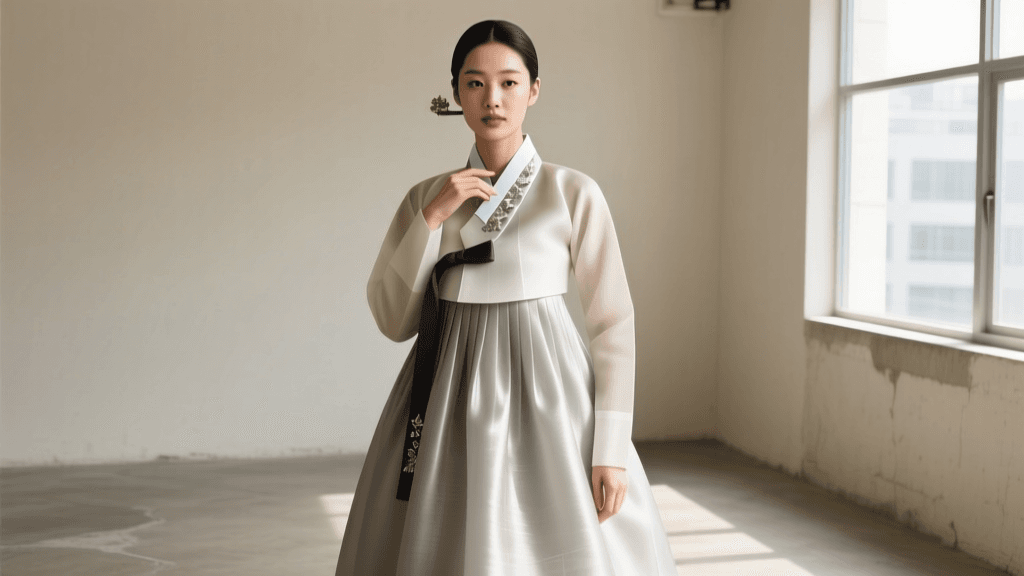
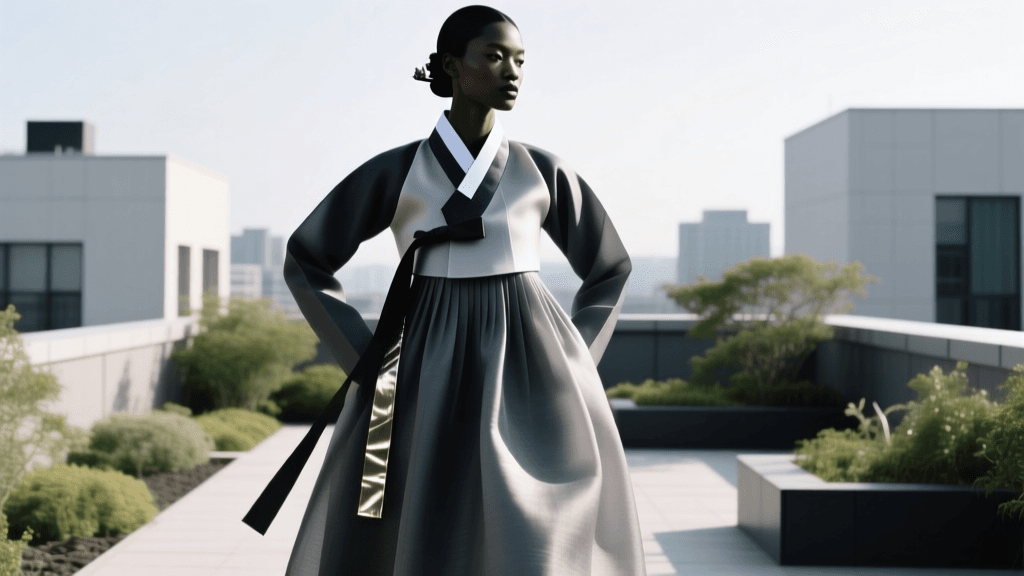
In 2026, the global fashion media landscape has fully embraced the structural brilliance of Asian traditional garments, with the Korean Hanbok taking center stage in high-profile editorials, red carpet critiques, and haute couture reviews. No longer confined to cultural heritage features or ceremonial showcases, the Hanbok has been radically reimagined by top-tier stylists and designers. Leading publications like Vogue, Harper’s Bazaar, and Elle are now regularly featuring the Hanbok’s distinct silhouettes—the voluminous chima (skirt) and the cropped jeogori (jacket)—as pinnacle examples of architectural fashion.
This editorial shift is not merely about cultural appreciation; it is a testament to the garment's inherent structural versatility. As global fashion pivots toward sustainable, modular, and historically grounded designs in 2026, the Hanbok offers a masterclass in zero-waste pattern making and dramatic proportion. According to the Korean Craft & Design Foundation (KCDF), the export of contemporary Hanbok-inspired fashion to international luxury markets has reached unprecedented levels this year, driven heavily by viral media moments and celebrity endorsements.
Deconstructing the Jeogori: 2026 Editorial Proportions
The jeogori, traditionally a modest, long-sleeved upper garment, has undergone a dramatic transformation in 2026’s global fashion editorials. Stylists are treating the jeogori as a piece of structural outerwear, playing with extreme proportions that contrast sharply with the sweeping volume of the skirts below.
The Asymmetrical Dongjeong
The dongjeong (the white, detachable collar) is a focal point in modern editorial photography. In 2026, fashion directors are styling asymmetrical, elongated dongjeong made from stiffened organic cotton or vegan leather. This creates a sharp, graphic line that frames the face and draws the camera’s eye, making it a favorite for high-contrast magazine covers. Instead of the traditional centered tie, the goreum (ribbon) is often styled off-center or replaced entirely by minimalist metallic clasps, blending heritage with futuristic minimalism.
Cropped Silhouettes and Fabric Innovation
While traditional jeogori lengths varied, the 2026 editorial standard favors an ultra-cropped cut, ending precisely 12 to 14 inches from the nape of the neck. This exposes the high waistband of the chima, elongating the legs in full-body editorial shots. Furthermore, designers are moving away from traditional glossy silks, opting instead for matte peace silk, recycled cupro, and structured hemp blends that hold sharp, angular folds under harsh studio lighting.
The Chima: Architectural Volume and Red Carpet Presence
The chima is where the Hanbok truly commands global media attention. The iconic bell-shaped silhouette is achieved in 2026 not through heavy layers of traditional undergarments, but through innovative, lightweight structural engineering.
3D-Printed Hoops and Modular Draping
For the 2026 Met Gala and Cannes Film Festival red carpets, stylists collaborated with architects to create 3D-printed, flexible TPU (thermoplastic polyurethane) hoops. These hoops are integrated into the petticoat, providing a massive, gravity-defying bell shape that weighs less than two pounds. This allows celebrities to move fluidly while maintaining the dramatic, sweeping circumference required for cinematic paparazzi shots.
The High-Low Editorial Hem
In print media, the traditional floor-grazing hem is frequently adapted into a high-low silhouette. By cutting the front of the chima to the mid-calf and allowing the back to pool into a dramatic train, editors can showcase the model’s footwear—often a modern interpretation of the traditional kkotsin (floral shoe)—while retaining the regal, sweeping movement of the garment in motion-blur photography.
Color Theory: Moving Beyond Traditional Obangsaek
Historically, Hanbok colors were deeply tied to the Obangsaek (the five traditional Korean colors representing the cardinal directions and elements). While these vibrant hues are still celebrated in cultural festivals, 2026 global fashion media has favored a more muted, sophisticated palette. Earth tones, monochromatic layering, and bioluminescent thread accents are dominating the pages of high-fashion magazines. The Victoria and Albert Museum's Asian Collections frequently highlights how historical dyeing techniques, such as natural indigo and persimmon tannin, are being revived by modern designers to create rich, complex tones that translate beautifully to digital and print media.
Comparative Analysis: Traditional vs. 2026 Media Hanbok
To understand the depth of this evolution, it is essential to compare the historical baseline with the current editorial adaptations seen on global runways and in magazine spreads.
| Garment Element | Traditional Baseline | 2026 Editorial Adaptation | Media Styling Note |
|---|---|---|---|
| Jeogori Length | Waist-length, covering the torso | Ultra-cropped (12-14 inches from nape) | Highlights high-waist chima; elongates the lower body in full-body shots. |
| Goreum (Ties) | Long, flowing silk ribbons tied at the chest | Shortened, structured, or replaced by hardware | Prevents visual clutter in close-up portrait editorials. |
| Chima Volume | Achieved via multiple layered cotton skirts | Single-layer fabric over 3D-printed TPU hoops | Creates dramatic silhouettes without adding physical weight for the model. |
| Textiles | Silk, ramie, cotton, hemp | Matte peace silk, recycled organza, vegan leather | Matte finishes reduce glare under intense editorial studio lighting. |
| Color Palette | Obangsaek (vibrant primary colors) | Monochromatic, earth tones, metallic threads | Aligns with 2026 luxury minimalism and high-contrast print aesthetics. |
Actionable Guide: Sourcing and Styling for 2026
For fashion enthusiasts, stylists, and collectors looking to incorporate these 2026 editorial Hanbok trends into their own wardrobes or editorial projects, here is a practical guide to sourcing and styling.
1. Sourcing Contemporary Pieces
The market for modern, editorial-grade Hanbok has expanded significantly. You no longer need to travel to Seoul’s Bukchon Hanok Village to find high-end pieces. Global luxury e-tailers and specialized boutiques now carry contemporary lines. Expect to invest between $450 and $1,200 for a designer-grade, structurally sound jeogori and chima set in 2026. Look for brands that explicitly mention 'modern structural draping' or 'editorial silhouette' in their product descriptions, as these are cut specifically for contemporary movement and photography.
2. Achieving the Editorial Volume
If you are styling a shoot or attending a high-profile event, do not rely on the skirt's fabric alone to provide the iconic bell shape. Purchase a modern, flexible wire petticoat (often sold as 'bell-shape crinolines' in contemporary bridal markets). Ensure the waistband of the chima sits at the narrowest part of your ribcage, not the natural waist, to maximize the dramatic flare and mimic the 2026 runway proportions.
3. Footwear and Accessories
Global media in 2026 has moved away from pairing modern Hanbok with traditional straw shoes or standard stilettos. The current editorial standard is the architectural mule or a sleek, pointed-toe bootie. Keep jewelry minimal; the structural lines of the dongjeong and the volume of the chima should remain the undisputed focal points of the silhouette. For a deeper understanding of the textile foundations that make these modern silhouettes possible, exploring the historical archives at The Metropolitan Museum of Art's Asian Textile Collection provides invaluable context on how traditional weaving techniques inform today's structural fabrics.
Conclusion
The Hanbok’s prominence in 2026 global fashion media is a celebration of architectural clothing. By deconstructing the jeogori and engineering the chima for modern visual consumption, designers and stylists have elevated this traditional Asian garment into a permanent fixture of the global haute couture lexicon. As we move through the year, expect to see even more radical, media-driven interpretations that honor the Hanbok's rich heritage while pushing the boundaries of contemporary silhouette design.