Decoding Ming Dynasty Hanfu: Rank Badges & Color Codes
The Visual Language of Power: Ming Dynasty Sartorial Hierarchy
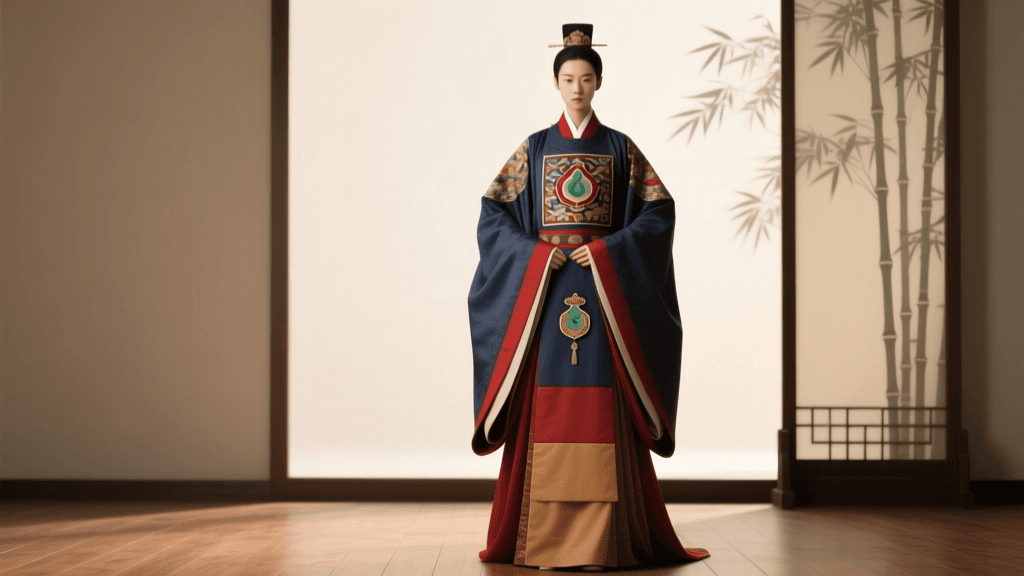
The Ming Dynasty (1368–1644) represents a golden era of Chinese sartorial regulation, where clothing was never merely a matter of personal aesthetic preference. Instead, the Hanfu of this period functioned as a strict, highly codified visual language that communicated an individual's exact social standing, profession, and political rank. Following the expulsion of the Mongol-led Yuan Dynasty, the Hongwu Emperor sought to restore traditional Han Chinese cultural norms, instituting the Daming Huidian (Collected Statutes of the Ming Dynasty). This comprehensive legal code dictated everything from the cut of a scholar's robe to the precise hues and motifs permitted for imperial officials.
For modern Hanfu enthusiasts, historians, and collectors, understanding the Ming Dynasty's color codes and rank badges—known as Buzi—is essential. It transforms the act of wearing traditional Chinese clothing from a simple fashion statement into a profound engagement with historical symbolism. According to The Metropolitan Museum of Art, the Ming court's meticulous attention to textile arts and sumptuary laws resulted in some of the most sophisticated and heavily regulated garment systems in global history.
The Color Code: What Your Hanfu Hue Signified
In the Ming court, color was a primary indicator of rank and imperial proximity. The dyeing process was expensive and heavily taxed, meaning vibrant, colorfast hues were reserved exclusively for the elite. The hierarchy of colors was rigidly enforced, and wearing a color above one's station was considered an act of treason or severe disrespect.
- Imperial Yellow: Reserved exclusively for the Emperor, the Empress, and the Crown Prince. This bright, saffron-like hue symbolized the center of the universe and the earth element in Chinese cosmology.
- Scarlet and Crimson (Red):strong> The hallmark of high-ranking civil and military officials (Grades 1 to 4). Red symbolized fire, vitality, and imperial favor.
- Deep Blue and Azure: Worn by mid-tier officials (Grades 5 to 7). Blue represented the sky, wood, and steady growth.
- Green: Designated for lower-ranking officials (Grades 8 and 9). It was often derived from plant-based dyes and signified a connection to the earth and agriculture.
- Black, White, and Undyed Hemp: The permitted palette for commoners, merchants, and scholars who had not yet passed the imperial examinations. Black was also used for the traditional scholar's cap (Rufu).
Actionable Guide: Sourcing Authentic Colors Today
If you are commissioning or purchasing a Ming-style Daopao (Taoist robe) or Yisan (folding skirt robe) for historical reenactment, photography, or traditional ceremonies, color accuracy is paramount. Avoid neon or synthetic-looking bright yellows and reds, as historical dyes were derived from natural sources like safflower, madder root, and indigo. When shopping from premium Hanfu vendors, look for descriptions that mention Zhimu (silk weaving) dyed with traditional mineral or botanical pigments. For a historically accurate wedding, a groom may wear a deep crimson Yuanlingpao (round-collar robe), mimicking the temporary rank-granting privileges given to commoners on their wedding day, while brides often wear a rich emerald or deep blue Dishan (formal jacket).
Buzi (Rank Badges): The Ultimate Status Symbol
While color established a broad hierarchy, the Buzi (Mandarin squares) provided granular detail regarding an official's exact rank and whether they served in a civil or military capacity. Introduced formally during the Ming Dynasty, these intricately embroidered or woven squares were attached to the front and back of an official's outer robe. As noted by the Victoria and Albert Museum, the Buzi system was a masterpiece of symbolic communication, utilizing specific birds and beasts to represent the virtues expected of the wearer.
Civil officials wore birds, symbolizing literary grace, intelligence, and administrative refinement. Military officials wore mythical and real beasts, representing courage, ferocity, and martial prowess. The background of the Buzi often featured clouds, waves, and the Lishui (standing water) pattern, representing the universe and the emperor's dominion over the seas and skies.
Civil vs. Military Badges: A Structured Comparison
Below is the definitive guide to the Ming Dynasty Buzi system, detailing the specific animals assigned to each of the nine official grades. This chart is invaluable for collectors verifying antique textiles or modern enthusiasts commissioning historically accurate replicas.
| Rank Grade | Civil Official (Birds) | Military Official (Beasts) |
|---|---|---|
| Grade 1 | Crane (Symbol of longevity and wisdom) | Qilin (Mythical beast of supreme benevolence) |
| Grade 2 | Golden Pheasant (Symbol of duty and loyalty) | Lion (Symbol of bravery and royal power) |
| Grade 3 | Peacock (Symbol of beauty and dignity) | Leopard (Symbol of agility and fierce protection) |
| Grade 4 | Wild Goose (Symbol of teamwork and order) | Tiger (Symbol of courage and martial strength) |
| Grade 5 | Silver Pheasant (Symbol of modesty and purity) | Bear (Symbol of steadfastness and power) |
| Grade 6 | Egret (Symbol of patience and vigilance) | Panther (Symbol of stealth and tactical prowess) |
| Grade 7 | Mandarin Duck (Symbol of loyalty and fidelity) | Rhinoceros (Symbol of impenetrable defense) |
| Grade 8 | Quail (Symbol of peace and harvest) | Rhinoceros (Shared with Grade 7 in some eras) |
| Grade 9 | Paradise Flycatcher (Symbol of long life) | Sea Horse (Mythical water horse, symbol of naval reach) |
'The garment is the mirror of the mind and the state. To wear the Crane is to bear the weight of the empire's wisdom; to wear the Tiger is to stand as its unyielding shield.' — Paraphrased from Ming Dynasty court sumptuary philosophies.
Modern Hanfu Revival: Buying and Wearing Buzi Today
The contemporary Hanfu movement has seen a massive resurgence in the popularity of Ming Dynasty silhouettes, particularly the Mamianqun (horse-face skirt) and the Pifeng (cloak). However, incorporating Buzi into modern wardrobes requires an understanding of historical context, modern manufacturing capabilities, and practical styling.
Practical Advice: Measurements, Fabrics, and Costs
If you are looking to purchase a Ming-style robe with a rank badge, or commission a standalone Buzi to sew onto an existing garment, here are the specific, actionable details you need to know:
- Measurements: A historically accurate Ming Dynasty Buzi is typically a square measuring between 35cm and 40cm (approx. 14 to 16 inches). When commissioning a custom robe, ensure the tailor leaves a 42cm x 42cm flat panel on the chest and upper back to accommodate the badge without distorting the embroidery.
- Fabrics and Techniques: Mass-produced Buzi are usually machine-embroidered on polyester-blend satin. For a premium, historically accurate piece, seek out vendors specializing in Zhuanghua (brocade weaving) or Kesi (silk tapestry). The highest tier of Ming reproduction utilizes Zijin (real gold foil wrapped around silk threads), which catches the light dynamically and was the standard for Grades 1 through 3.
- Costs: A machine-embroidered, mass-market Buzi patch on platforms like Taobao or AliExpress will cost between $15 and $40 USD. A fully woven, custom silk Buzi using traditional jacquard looms and metallic threads from premium heritage brands like Minghuatang or Shisi will range from $250 to $800 USD. A complete, custom-tailored Daopao with integrated woven badges can exceed $1,200 USD.
- Timing: Because premium Hanfu brands operate on a made-to-order model to preserve traditional weaving techniques, expect a lead time of 45 to 90 days. Plan your purchases well in advance of major cultural festivals, historical reenactments, or traditional weddings.
Styling and Etiquette for the Modern Wearer
While modern society no longer enforces Ming sumptuary laws, wearing a Grade 1 Crane or Qilin badge to a casual Hanfu meetup can be viewed by knowledgeable enthusiasts as slightly ostentatious or historically incongruous if paired with casual, everyday accessories. For daily wear or casual outings, modern Hanfu wearers often opt for robes featuring subtle, all-over woven motifs like clouds, lotus flowers, or plum blossoms, reserving the bold, heavy Buzi for formal photography, stage performances, or deep-dive historical reenactments.
When wearing a Buzi robe, the correct headwear is equally important. A civil official's robe should be paired with a Wushamao (black gauze cap with wing-like flaps), while military attire is best complemented by a traditional helmet or a martial Jinguan. The Smithsonian National Museum of Asian Art frequently highlights how the integration of headwear, footwear (such as black leather court boots), and the Buzi created a unified, head-to-toe silhouette that commanded immediate respect in the Ming court.
Conclusion
The Ming Dynasty's approach to clothing was a masterclass in semiotics, weaving political hierarchy, moral philosophy, and exquisite craftsmanship into every thread. By understanding the strict color codes and the profound symbolism of the Buzi rank badges, modern enthusiasts can elevate their appreciation of traditional Chinese garments. Whether you are investing in a museum-quality Kesi-woven Crane badge or simply selecting the correct shade of deep blue for a scholar's robe, you are participating in the preservation of a rich, visual language that has defined Asian sartorial traditions for centuries.