Mindful Kitsuke: The Kimono Slow Fashion Wellness Ritual of 2026
The Intersection of Kitsuke and Mindfulness in 2026
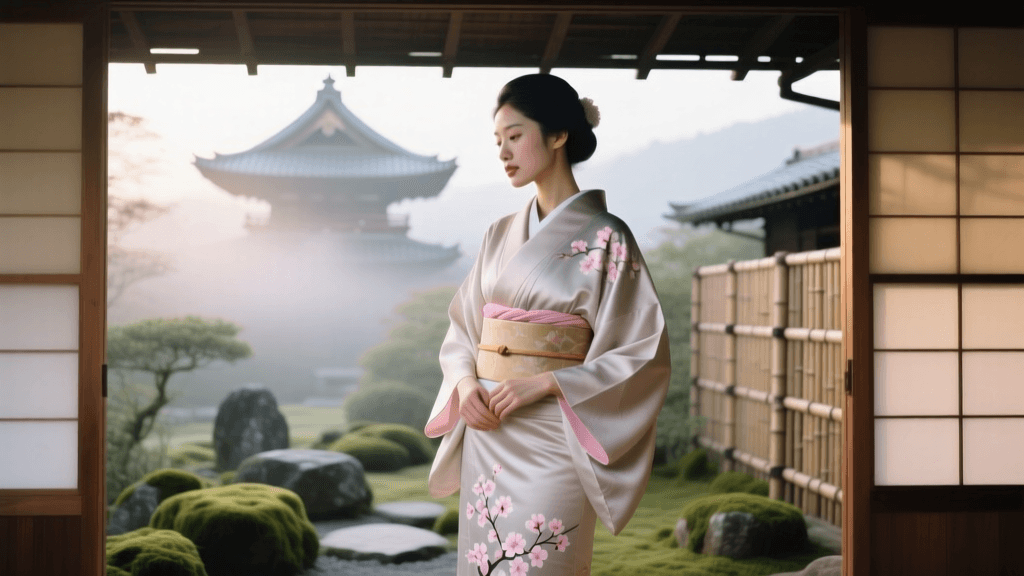
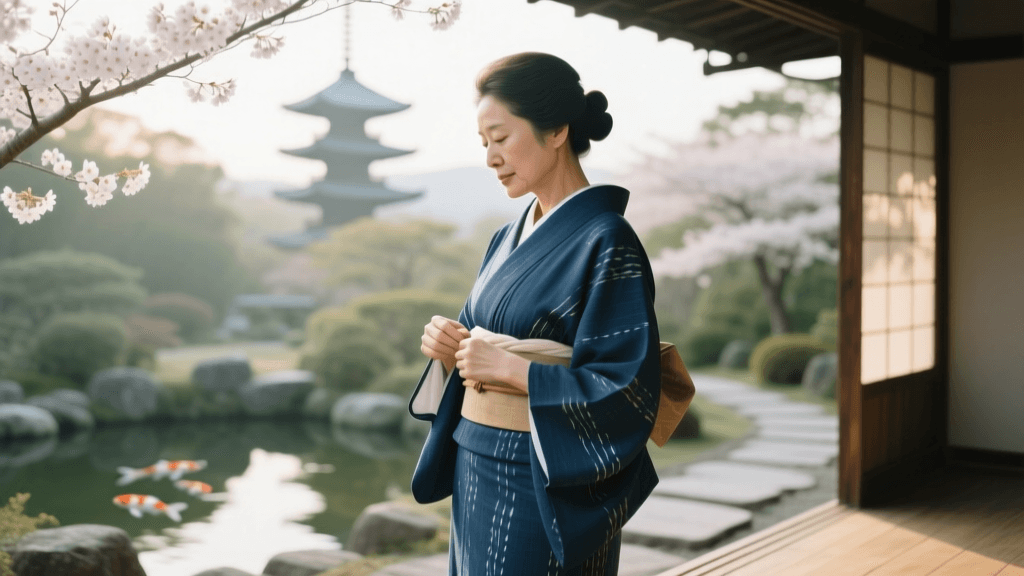
As we navigate the hyper-connected, fast-paced landscape of 2026, the global wellness industry has witnessed a profound shift toward somatic and tactile grounding practices. Among the most compelling of these is the integration of kitsuke—the traditional Japanese art of kimono dressing—into modern mindfulness routines. Far from being a mere sartorial choice or a relic of the past, kitsuke is being embraced by wellness practitioners and slow fashion advocates as a moving meditation. The deliberate, multi-step process of wrapping, folding, and tying the kimono demands absolute presence, effectively pulling the practitioner out of digital anxiety and into the physical body.
The psychological concept of 'enclothed cognition' suggests that the clothes we wear deeply influence our mental processes. When engaging in kitsuke, the physical weight of the silk, the precise alignment of the seams, and the gentle restriction of the obi (sash) naturally enforce a slower, more deliberate gait and an upright, grounded posture. According to the American Psychological Association, mindfulness practices that incorporate physical movement and sensory awareness are highly effective in reducing cortisol levels and mitigating burnout. In 2026, kitsuke stands at the perfect crossroads of cultural preservation, mental wellbeing, and the slow fashion movement.
The Tactile Therapy of Natural Textiles
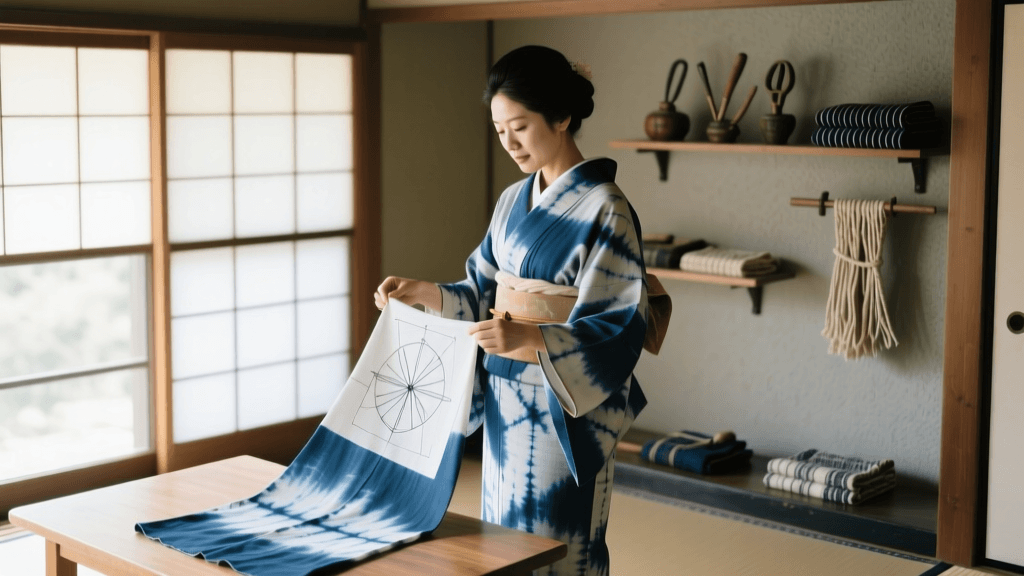
Central to the mindfulness of kitsuke is the sensory experience of the textiles themselves. Unlike the synthetic, mass-produced fabrics that dominate the contemporary fast-fashion market, traditional kimonos are crafted from natural, breathable fibers that interact dynamically with the human body. The tactile feedback of these materials serves as a powerful grounding mechanism during the dressing ritual.
Seasonal Sensory Grounding
- Summer (Ojiya-chijimi Ramie): Recognized by UNESCO as an Intangible Cultural Heritage, Ojiya-chijimi is a highly textured, hand-woven ramie fabric from Niigata Prefecture. The distinctive crepe-like texture provides a stimulating yet cooling tactile sensation against the skin, promoting alertness and sensory clarity during summer morning meditations.
- Winter (Tango Silk Crepe): Sourced from the Kyoto region, Tango chirimen (silk crepe) offers a substantial, comforting weight. The deep, resonant friction of the silk threads provides a soothing, swaddling effect that activates the parasympathetic nervous system, ideal for winter grounding exercises.
- Spring/Autumn (Tsumugi Pongee): This rustic, hand-spun silk has a slightly uneven, organic texture. Running one's fingers over the slubbed threads during the folding process encourages a tactile focus that anchors the mind in the present moment.
By consciously engaging with these heritage textiles, practitioners participate in a form of sensory therapy that honors both the natural environment and the artisans who spent months cultivating the fibers.
2026 Wellness Retreats: The Evolution of Kitsuke Workshops
In 2026, luxury wellness retreats in cultural hubs like Kanazawa, Kyoto, and Takayama have reimagined the kimono dressing experience. Moving away from the rigid, perfectionist grading systems of traditional dressing schools, these modern sanctuaries offer 'Mindful Kitsuke' workshops designed explicitly for mental health and digital detoxing. Participants are encouraged to focus on the rhythm of their breath and the feeling of the fabric, rather than achieving millimeter-perfect symmetry.
| Feature | Traditional Kitsuke School | 2026 Mindfulness Kitsuke Workshop |
|---|---|---|
| Primary Goal | Technical perfection, certification, and adherence to strict seasonal rules. | Somatic grounding, stress reduction, and personal connection to the garment. |
| Pace and Atmosphere | Fast-paced, instructional, often stressful for beginners. | Slow, deliberate, accompanied by guided breathwork and ambient soundscapes. |
| Focus of Attention | External appearance, precise measurements, and hidden folds. | Internal sensation, the weight of the silk, and the rhythm of tying the obi. |
| View on Mistakes | Errors are corrected immediately; asymmetry is discouraged. | Asymmetry is embraced as wabi-sabi; the process is valued over the final look. |
Building Your Own Mindful Kitsuke Practice at Home
You do not need to visit a Japanese retreat to experience the wellness benefits of slow fashion and mindful dressing. By carving out 45 minutes in your morning routine, you can transform the act of getting dressed into a profound daily ritual. Here is a structured, actionable guide to establishing a mindful kitsuke practice in 2026.
Phase 1: Preparation and Grounding (10 Minutes)
Begin by preparing your space. Lay out your juban (undergarment), kimono, koshihimo (waist ties), and obi on a clean, flat surface. The act of laying out the garments is your first transition from the chaos of the mind to the order of the physical world. Stand barefoot on a natural surface, such as a tatami mat or a woven rug. Close your eyes and take ten deep, diaphragmatic breaths, feeling the connection between your feet and the floor.
Phase 2: The Foundation and the Juban (10 Minutes)
As you slip into the juban, pay attention to the sensation of the fabric against your skin. Align the back seam (senaka) perfectly with the center of your spine. This physical alignment serves as a metaphor for spinal and mental alignment. When you tie the first koshihimo, do not pull it tight out of haste. Apply firm, even pressure, exhaling slowly as you secure the knot. This conscious tension-setting helps define your physical boundaries for the day.
Phase 3: Wrapping the Kimono (15 Minutes)
Pick up the kimono by the collar. As you slide it over your shoulders, let the weight of the garment settle. The kimono is essentially a flat, two-dimensional plane that becomes three-dimensional only when it meets the human body. Wrap the left side over the right (always left over right for the living). As you adjust the hemline to graze your ankles, move with deliberate slowness. If your mind wanders to your daily to-do list, gently redirect your focus to the sound of the silk rustling—a phenomenon known in Japan as kinu-momi.
Phase 4: The Obi and the Final Seal (10 Minutes)
The tying of the obi is the climax of the kitsuke ritual. Whether you are tying a simple bunko musubi (bow knot) or a more complex taiko musubi (drum bow), treat the wrapping of the sash as a physical manifestation of gathering your energy. As you wrap the obi around your core, visualize it sealing in your focus and vitality for the day ahead. The gentle compression around the abdomen also provides deep pressure therapy, which is known to calm the nervous system and improve core stability.
Slow Fashion as an Antidote to Modern Burnout
The mindfulness of kitsuke extends beyond the individual and into the broader ethos of slow fashion. In an era where the environmental and psychological tolls of disposable clothing are undeniable, the kimono represents the ultimate circular garment. Traditional kimonos are constructed from straight cuts of fabric without wasting material. When they become soiled or damaged, they are entirely unpicked, washed, stretched, and re-tailored—a practice deeply rooted in the Japanese philosophy of mottainai (a sense of regret concerning waste).
According to the Ellen MacArthur Foundation, transitioning to a circular fashion economy is vital for reducing global textile waste and fostering a more sustainable relationship with our resources. By investing in vintage, secondhand, or artisan-crafted kimonos, practitioners in 2026 are actively rejecting the planned obsolescence of fast fashion. Caring for a single, high-quality silk kimono over a lifetime—and eventually passing it down to the next generation—cultivates a sense of stewardship and long-term thinking that directly counteracts the short-term dopamine loops of modern consumerism.
Conclusion: Wrapping Yourself in Intention
The integration of kitsuke into the 2026 wellness landscape is a testament to the enduring wisdom of Asian traditions. It teaches us that the garments we wear are not merely superficial coverings, but active participants in our mental and emotional wellbeing. By embracing the slow, deliberate, and tactile art of kimono dressing, we give ourselves permission to pause, to breathe, and to wrap ourselves in intention before stepping out into the world. Whether you are a seasoned collector of vintage textiles or a beginner exploring the meditative qualities of natural fibers, mindful kitsuke offers a sanctuary of calm in an increasingly frantic world.