Mindful Kitsuke: Kimono Dressing For Wellness In 2026
The Intersection of Kitsuke and Mindfulness in 2026
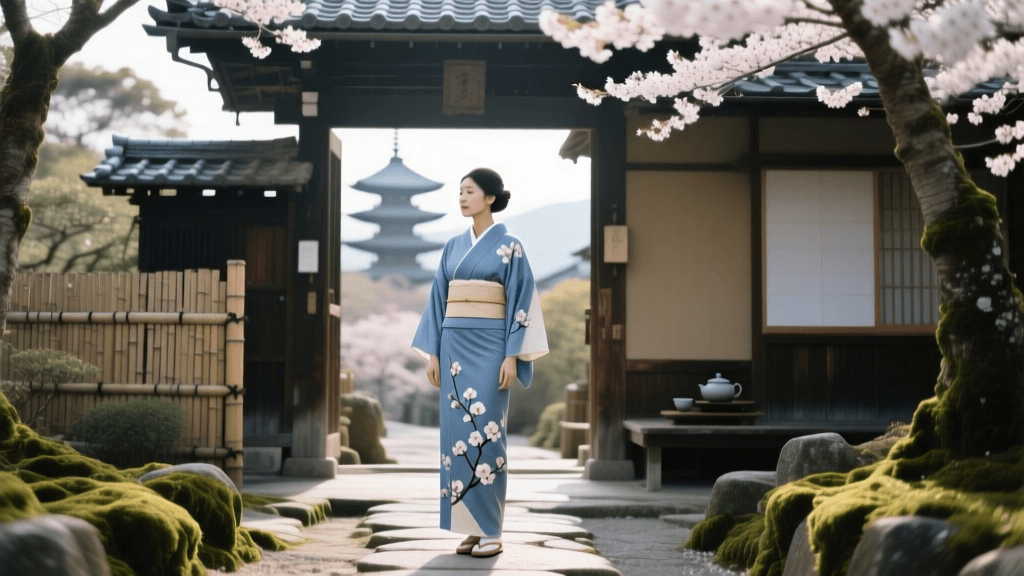
In our hyper-connected, fast-paced reality of 2026, digital fatigue has driven a profound renaissance in tactile, analog wellness practices. Among the most transformative of these is the traditional Japanese art of kitsuke—the precise, deliberate process of dressing in a kimono. Far from being merely a sartorial choice, kitsuke has emerged as a powerful mindfulness exercise, bridging the gap between ancient cultural heritage and modern psychological wellbeing.
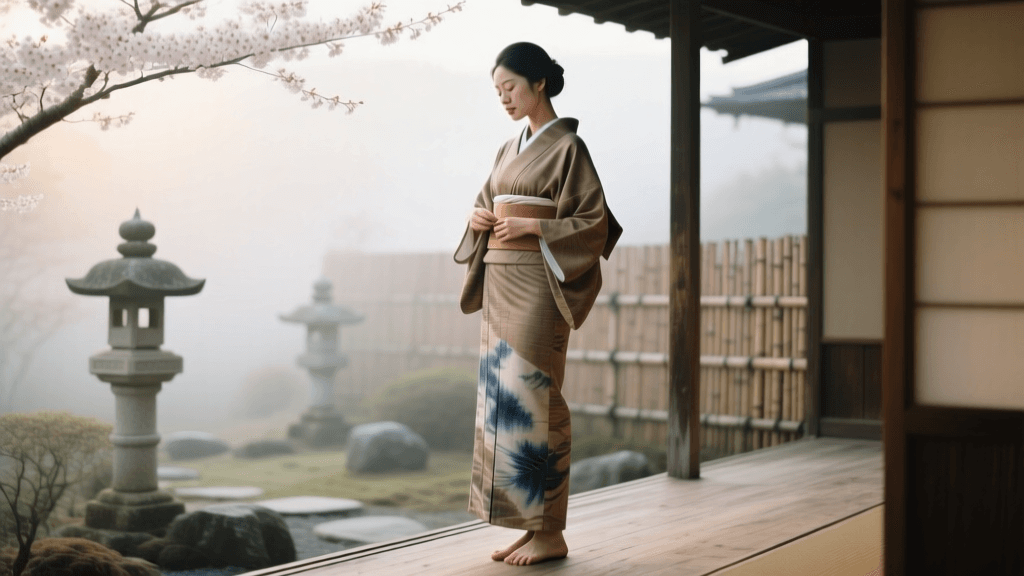
The act of wrapping oneself in layers of silk and cotton requires intense focus, spatial awareness, and a rhythmic breathing pattern. According to Harvard Health Publishing, mindfulness practices that engage the body and focus the mind on the present moment are highly effective in reducing cortisol levels, alleviating anxiety, and improving overall emotional regulation. When you engage in kitsuke, you are not simply getting dressed; you are participating in a moving meditation. Every fold of the nagajuban (undergarment), every pull of the koshihimo (tying sash), and every adjustment of the obi demands your complete presence, anchoring your mind firmly in the physical world.
The Slow Fashion Philosophy of Silk Kimono Care
As the global conversation around environmental sustainability reaches a critical peak in 2026, the kimono stands as a masterclass in the slow fashion movement. The modern fashion industry is notorious for its disposable nature, but the lifecycle of a traditional silk kimono operates on a timeline of generations, not seasons. Organizations like Fashion Revolution have long advocated for a systemic shift toward transparency, longevity, and respect for the environment in garment production—principles that are inherently woven into the fabric of Japanese textile traditions.
Consider the practice of arai-hari. When a silk kimono becomes soiled, it is not tossed into a washing machine or discarded. Instead, the garment is meticulously unpicked into its original, flat fabric panels. These panels are then washed, stretched, and dried on wooden frames before being re-sewn into a pristine kimono. This process ensures that a single high-quality silk garment can outlive its original wearer, being passed down, resized, and repurposed over a century or more.
Airing and Storing: A Meditative Routine
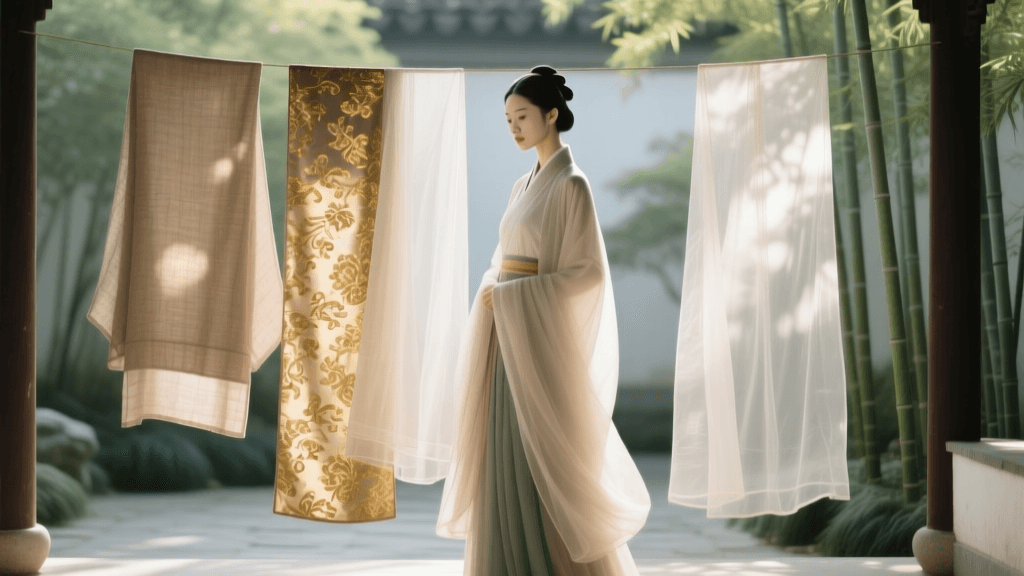
The care of a kimono also involves mushi-boshi, the seasonal airing of silk garments. Twice a year, typically during the dry, crisp days of late autumn and early spring, kimono collectors open their tansu (traditional wooden chests) to air out their textiles. This ritual requires patience and a gentle touch, fostering a deep, ongoing relationship between the wearer and their wardrobe. It is a stark contrast to the 2026 norm of algorithmic, one-click fast fashion consumption, offering a grounding reminder of the resources, artistry, and time required to create true beauty.
The Physical and Mental Benefits of Wearing Kimono
Beyond the meditative act of dressing, the physical sensation of wearing a kimono offers unique wellness benefits. The structural elements of the garment, particularly the tightly wrapped datejime and the heavy, intricately tied obi, provide a form of deep pressure stimulation. Similar to the therapeutic effects of a weighted blanket, this gentle, continuous pressure around the core and torso can stimulate the parasympathetic nervous system, promoting a sense of calm and physical security.
Furthermore, the kimono inherently corrects posture. The straight, columnar silhouette and the restrictive nature of the skirt make slouching or taking excessively long strides physically impractical. Wearers naturally adopt a centered, upright posture with a lowered center of gravity. This physical alignment not only reduces lower back strain but also projects a psychological sense of dignity and groundedness, a concept deeply explored in resources provided by the Japan National Tourism Organization regarding the somatic experience of traditional Japanese arts.
Fast Fashion vs. Mindful Kitsuke: A 2026 Comparison
To truly understand the wellness impact of kitsuke, it is helpful to contrast it with the modern, mass-market dressing experience. The table below highlights the paradigm shift from utilitarian dressing to mindful garment interaction.
| Metric | Modern Fast Fashion Routine | Mindful Kitsuke Ritual |
|---|---|---|
| Time Investment | 3 to 5 minutes | 20 to 45 minutes |
| Mental State | Rushed, distracted, utilitarian | Focused, grounded, meditative |
| Garment Lifespan | 1 to 3 years (synthetic blends) | 50 to 100+ years (silk, arai-hari care) |
| Physical Sensation | Often restrictive or poorly fitted | Deep pressure stimulation, postural support |
| Environmental Impact | High (microplastics, textile waste) | Low (natural fibers, generational reuse) |
Your 20-Minute Mindful Dressing Routine
You do not need to be a certified kitsuke master to experience the wellness benefits of this practice. By slowing down and focusing on the sensory details of the fabric, you can transform your morning routine into a sanctuary of mindfulness. Follow this structured approach to integrate kitsuke principles into your day.
Step 1: Grounding and Preparation (5 Minutes)
Begin in a quiet, uncluttered space. Lay out your kimono, nagajuban, and accessories on a clean surface. Stand barefoot on a natural fiber rug or tatami mat. Close your eyes and take five deep, diaphragmatic breaths. Feel the weight of your body pressing into the floor. Acknowledge the artistry of the weavers and dyers who created the textiles in your hands.
Step 2: The Base Layers and Intentional Wrapping (10 Minutes)
As you slip into the nagajuban, pay attention to the glide of the fabric against your skin. When wrapping the left side over the right, do so with deliberate, unhurried movements. Use your koshihimo to tie the garment at the hips. As you pull the cotton sash taut, synchronize your exhalations with the tightening of the knot. This physical binding serves as a psychological boundary, wrapping you in a protective layer of intention for the day ahead.
Step 3: The Obi and Final Alignment (5 Minutes)
Whether you are tying a simple hanhaba obi or a more complex fukuro obi, treat the folding of the fabric as an origami exercise. Smooth out every crease with the flat of your palm. Once the obi is secured, adjust your collar to ensure the perfect eri-nuki (the space between the collar and the nape of your neck). Finally, step back, observe your silhouette, and take one last deep breath, carrying the stillness of the ritual into the rest of your day.
Conclusion
As we navigate the complexities of 2026, the ancient art of kitsuke offers a profound antidote to the disposable, hurried nature of modern life. By embracing the kimono not just as a beautiful garment, but as a tool for mindfulness, postural health, and slow fashion advocacy, we honor the rich tapestry of Asian traditions while actively nurturing our own mental and physical wellbeing. The next time you reach for your silk garments, remember that you are not merely dressing for the world—you are dressing for your inner peace.