Miao Traditional Dress: Silverwork, Embroidery & Regional Styles
Introduction to Miao Provincial Dress
The Miao people, one of China's largest and most culturally diverse ethnic minorities, are globally renowned for their breathtaking traditional garments. Concentrated primarily in the mountainous regions of Guizhou, Yunnan, and Hunan provinces, the Miao have historically lacked a widely used written language. As a result, their clothing serves as a vital, wearable historical record. According to Encyclopædia Britannica, the intricate motifs woven, embroidered, and dyed into Miao textiles encode myths, migration routes, and clan identities, effectively turning their garments into living archives. For textile collectors, cultural historians, and travelers, understanding the regional variations of Miao dress is essential to appreciating the profound depth of Asian folk traditions.
The Weight of Heritage: Miao Silverwork
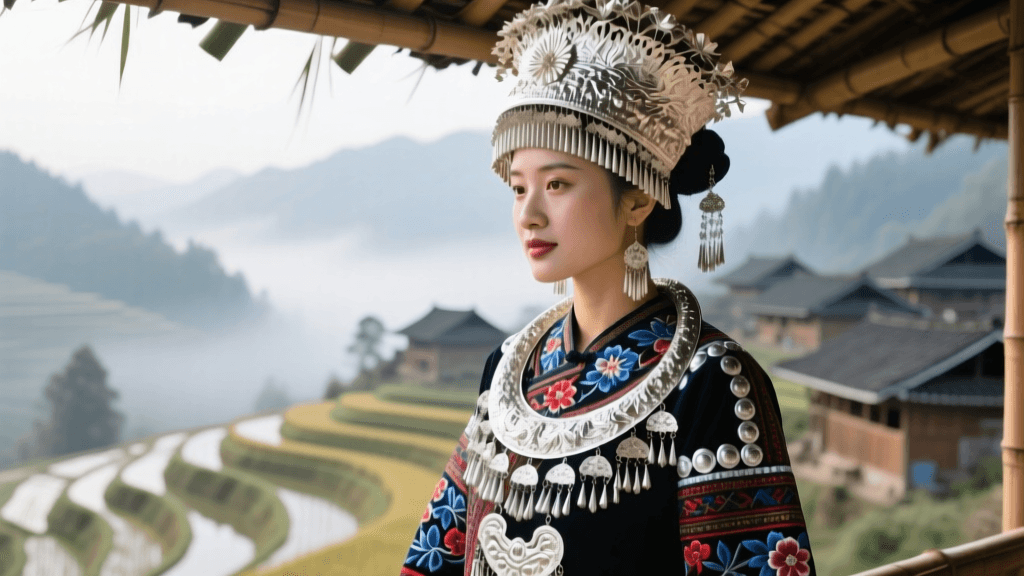
No discussion of Miao provincial dress is complete without examining their legendary silverwork. Silver is not merely decorative in Miao culture; it is a symbol of wealth, spiritual protection, and social status. During major festivals, a Miao woman may wear a silver headdress, necklaces, chest locks, and bracelets weighing anywhere from 5 to 15 kilograms. The iconic silver horn headdress, sometimes spanning over a meter in width, represents the water buffalo—an animal deeply revered in Miao agrarian society.
The silversmithing tradition is typically passed down patrilineally. Artisans use complex techniques including filigree, repoussé, and hammering to create delicate, bell-like ornaments that chime with the wearer's every movement. This acoustic element is traditionally believed to ward off malevolent spirits. When acquiring authentic Miao silver, it is crucial to understand the difference between traditional pure silver and modern tourist-market alloys.
Actionable Advice for Buying Miao Silver
- Purity and Hallmarks: Always ask for 'Chun Yin' (pure silver, typically 99.0% to 99.9% purity). Authentic pieces from master silversmiths in villages like Xijiang or Kaili will often bear a stamped hallmark or the artisan's seal.
- Pricing Structure: The cost of authentic Miao silver jewelry is calculated based on the daily market price of raw silver plus a craftsmanship fee. Expect to pay between 15 to 35 RMB per gram. A simple silver hairpin may cost 300 RMB, while a full festival chest plate can exceed 20,000 RMB.
- Avoid 'Tibetan Silver': Many street vendors sell 'Tibetan silver' or 'Miao silver' that is actually a nickel, copper, or zinc alloy with a silver plating. If the price is under 10 RMB per gram, it is not real silver.
Threads of History: Embroidery and Batik
Miao embroidery is celebrated as one of the most sophisticated needlework traditions in Asia. The techniques vary wildly by village, but common stitches include 'Zou Xian' (wrapped thread stitch), 'Da Zi' (cross-stitch), and 'Ping Xiu' (satin stitch). The motifs are deeply symbolic, heavily featuring the 'Butterfly Mother' (Mai Bang), a central figure in Miao creation mythology who is said to have given birth to the ancestors of humanity and the natural world. This oral mythology, recognized by UNESCO Intangible Cultural Heritage through the Miao epic songs, is directly translated into the visual language of their textiles.
Alongside embroidery, Miao batik (wax-resist dyeing) is a hallmark of their provincial dress. Artisans use a specialized brass tool called a 'laba' to draw intricate geometric and floral patterns onto cotton or hemp using melted beeswax. The fabric is then submerged in vats of fermented indigo. Once the wax is boiled off, it reveals striking white patterns against deep, rich blues. The natural cracking of the wax during the dyeing process creates delicate, vein-like 'ice cracks' that are highly prized by collectors.
Regional Variations: A Comparative Guide
The Miao are not a monolith; they are divided into numerous subgroups, often categorized by the dominant colors or styles of their traditional dress (e.g., Long-Skirt Miao, Short-Skirt Miao, Black Miao). Below is a comparison of four prominent regional styles found within Guizhou's Qiandongnan Prefecture.
| Region / Subgroup | Skirt Style | Silver Emphasis | Key Motif & Technique |
|---|---|---|---|
| Leishan (Long-Skirt) | Maxi-length, heavily pleated indigo skirts (up to 60 pleats) | Massive silver horn headdresses and heavy tiered necklaces | Buffalo and Dragon motifs; dense satin stitch embroidery |
| Taijiang (Short-Skirt) | Short, layered mini-skirts worn over embroidered leggings | Intricate silver chest locks, wide crowns, and dense hairpins | Butterfly Mother and birds; vibrant silk thread on dark cotton |
| Rongjiang (Bird Motif) | Long, flowing skirts with woven sashes | Lighter, delicate silver floral combs and smaller horns | Stylized birds and flowers; fine cross-stitch and appliqué |
| Danzhai (Batik Focus) | Midi-length skirts with prominent batik panels | Minimal silver; focus is on textile craftsmanship | Geometric and natural wax-resist patterns; deep indigo dye |
Practical Guide: Experiencing and Acquiring Miao Garments
For those looking to experience Miao culture firsthand, commission custom garments, or attend traditional festivals, strategic planning is required. As noted by Smithsonian Magazine, navigating the remote villages of Guizhou offers an unparalleled glimpse into enduring folk traditions, provided visitors time their trips correctly.
Festival Timing and Travel
- The Sisters' Meals Festival: Often called the oldest Valentine's Day festival in Asia, this occurs in the spring (usually March or April on the lunar calendar). It is the premier time to see young women wearing their full, heavy silver regalia and vibrant embroidered jackets. Book accommodations in Taijiang or Kaili at least two months in advance.
- The Lusheng Festival: Held in the autumn (September or October), this harvest festival features men playing the 'lusheng' (a traditional pipe instrument) while women dance in their pleated skirts. The swirling skirts are designed specifically to flare out beautifully during these rhythmic dances.
Commissioning Custom Embroidery
If you wish to commission an authentic, hand-embroidered Miao jacket or textile panel directly from village artisans, be prepared for a slow, meticulous process.
- Measurements Required: Provide precise measurements in centimeters: Chest/Bust circumference, Shoulder Width, Sleeve Length (from shoulder seam to wrist), and Waist. Traditional Miao jackets are typically cut with a straight, boxy silhouette and wide sleeves.
- Timeframe: A fully hand-embroidered jacket panel can take a single artisan anywhere from 3 to 8 months to complete, depending on the density of the 'Zou Xian' (wrapped thread) stitch.
- Costs and Deposits: Expect to pay between 3,000 and 10,000 RMB for a masterwork jacket. Artisans typically require a 30% to 50% upfront deposit to purchase high-quality silk threads and base fabrics. Use a trusted local fixer or cultural liaison to handle transactions and quality control.
Care and Preservation of Miao Textiles
Proper care is essential to preserve the integrity of natural dyes and delicate silverwork.
- Indigo Textiles: Never wash authentic indigo-dyed Miao garments in harsh detergents or hot water, as this will strip the natural dye. Dry clean only, or gently spot clean with cold water. Store in a cool, dark place away from direct sunlight to prevent the deep blues from fading to gray.
- Silver Maintenance: Miao silver is highly susceptible to tarnishing in humid environments. Store silver pieces in airtight anti-tarnish bags with silica gel packets. Polish gently with a specialized silver cloth; avoid chemical dips, which can damage the intricate oxidized detailing that gives the filigree its contrast and depth.
Conclusion
The traditional dress of the Miao people is far more than mere provincial folk attire; it is a complex, wearable language that speaks of ancient migrations, spiritual beliefs, and unparalleled artisanal skill. Whether you are a collector seeking authentic 999 pure silver headdresses, a fashion historian studying the structural geometry of Danzhai batik, or a traveler hoping to witness the Sisters' Meals Festival, approaching Miao garments with an understanding of their regional nuances and material realities ensures a deeper, more respectful engagement with one of Asia's most vibrant cultural heritages.