The Ultimate Guide to Matching Obi, Zori, and Kimono Accessories
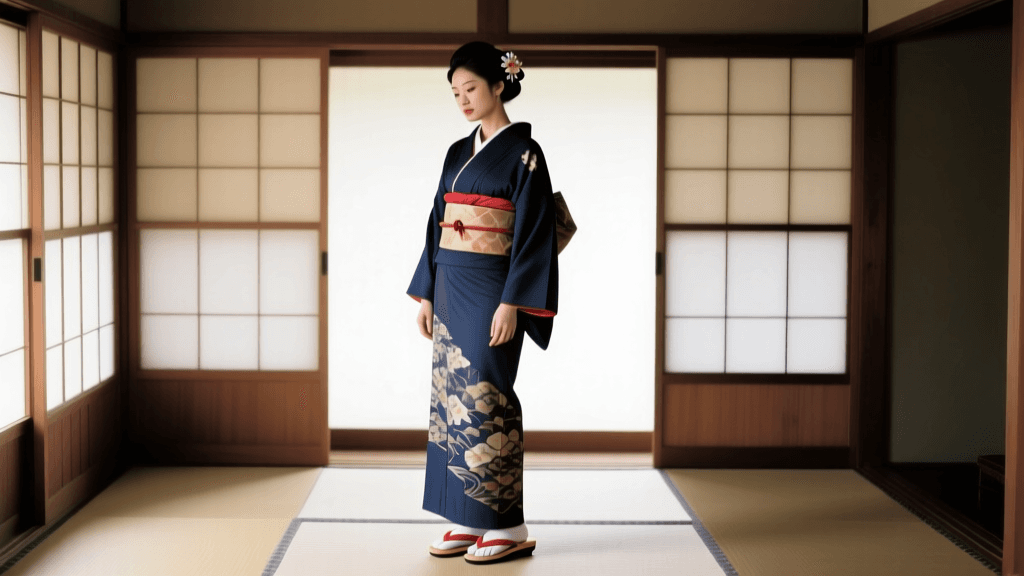
The art of wearing a kimono, known as kitsuke, extends far beyond simply draping a beautiful silk garment over the shoulders. True elegance in traditional Japanese dress is achieved through the meticulous coordination of the obi (sash), zori (footwear), and an array of essential accessories. According to the Metropolitan Museum of Art, the kimono is not merely a piece of clothing but a canvas that reflects the wearer's age, marital status, and the specific season or occasion. To master this sartorial language, one must understand the intricate hierarchy of formality and the rules governing kimono accessories.
The Hierarchy of Formality: TPO
In Japanese fashion, the concept of TPO—Time, Place, and Occasion—is paramount. Before selecting your obi and zori, you must determine the formality of the event. A wedding reception demands entirely different accessories than a casual summer fireworks festival. The base kimono sets the baseline for formality, but the accessories dictate the final polish. A common mistake among beginners is pairing a highly formal gold-brocade obi with a casual cotton yukata, or wearing elevated wooden geta with a formal silk tomesode. Harmony is achieved when every element, from the hidden tying cords to the visible footwear, aligns with the TPO.
Selecting the Right Obi for Your Kimono
The obi is the focal point of the kimono ensemble. It provides structural support, creates the silhouette, and offers a prime opportunity for artistic expression. Obi are categorized by their width, length, and material.
Fukuro Obi: The Pinnacle of Formality
The fukuro obi is the standard for formal wear, paired with garments like the kurotomesode (black formal kimono), furisode (long-sleeved kimono for unmarried women), and houmongi (visiting wear). A standard fukuro obi measures 31 to 33 centimeters in width and 4.2 to 4.5 meters in length. They are typically woven with luxurious gold or silver metallic threads and feature elaborate brocade patterns. Because of their stiffness and length, they are tied in complex, voluminous knots such as the taiko musubi (drum knot) or the fukura-suzume (sparrow knot) for furisode. Expect to invest anywhere from $300 to over $2,000 for a new, high-quality fukuro obi, though vintage pieces can be found for $80 to $150.
Nagoya Obi: Versatility and Semi-Formal Grace
The nagoya obi was invented in the 1920s to make dressing easier. It is pre-folded and stitched along part of its length, measuring about 30 centimeters wide and 3.6 meters long. Nagoya obi are perfect for semi-formal and smart-casual occasions, pairing beautifully with tsukesage and komon (patterned repeating motif) kimono. They are almost exclusively tied in the taiko musubi, creating a neat, streamlined box knot at the back. They are generally more affordable and easier for beginners to handle during the 45-to-60-minute dressing process.
Hanhaba Obi: Casual Charm
Measuring only 15 to 17 centimeters in width, the hanhaba obi (half-width obi) is strictly for casual wear. It is the only appropriate obi for the cotton yukata or casual wool and linen kimono. Because they are narrow and flexible, they can be tied in playful, intricate bows like the bunko musubi (library knot).
Footwear Fundamentals: Zori vs. Geta
Footwear in traditional Japanese dress is divided primarily into two categories: zori and geta. Choosing the wrong footwear can instantly downgrade the formality of your outfit. The Victoria and Albert Museum highlights how traditional Japanese textiles and accessories are deeply intertwined with social customs, making the correct choice of footwear essential for showing respect at formal gatherings.
| Feature | Zori | Geta |
|---|---|---|
| Base Material | Vinyl, brocade, leather, or woven straw | Solid wood (kiri or hinoki) |
| Sole Structure | Flat, sometimes with a slight heel wedge | Elevated on wooden 'teeth' (ha) |
| Formality Level | Semi-formal to highly formal | Strictly casual |
| Appropriate Garments | Tomesode, Furisode, Houmongi, Komon | Yukata, casual Tsumugi (pongee) |
| Sound Profile | Quiet, soft stepping | Distinctive clacking sound |
For formal events, women wear zori with a vinyl or brocade finish. The formality of the zori increases with the thickness of the heel. A formal zori typically has a heel height of 4 to 6 centimeters. The hanao (the thong that secures the foot) should be pristine; for black tomesode, the hanao is traditionally white or gold, while for furisode, it is often red or white. Bespoke formal zori can cost between $250 and $500, but well-maintained vintage pairs are excellent budget-friendly alternatives, often priced around $40 to $90.
Essential Kimono Accessories (Kitsuke Gu)
Beneath the visible layers of silk lies a complex architecture of accessories known as kitsuke gu. These items ensure the kimono stays securely in place and maintains a smooth, cylindrical silhouette, which is the ideal aesthetic in traditional Japanese styling.
- Koshihimo (Tying Cords): These are long, thin cords made of silk or polyester used to tie the kimono tightly at the waist and hips. A standard dressing session requires 3 to 5 koshihimo. They are hidden beneath the obi and are essential for keeping the hemline at the correct ankle length.
- Datejime (Wide Belt): Wrapped over the koshihimo, the datejime is a wide, stiff belt that smooths out any wrinkles created by the tying cords and prevents the kimono from shifting during movement.
- Obi-ita (Obi Board): A stiff, rectangular board inserted between the layers of the obi at the front of the waist. It prevents the obi from creasing and ensures a perfectly flat, crisp appearance across the stomach.
- Obi-makura (Obi Pillow): A small, firm cushion tied at the back of the waist. It provides the structural support needed to lift the heavy taiko musubi knot, giving it its characteristic elegant, drum-like shape.
- Obiage (Sash Scarf): A piece of dyed silk crepe that wraps around the obi-makura. Only a thin sliver (about 1 to 2 centimeters) is meant to peek out above the top edge of the obi, adding a vital pop of contrasting color.
- Obijime (Decorative Cord): A braided silk cord tied horizontally across the center of the obi knot. It secures the complex folds of the knot while serving as a major decorative element. Formal obijime often feature metallic threads and are tied with specialized decorative knots.
- Tabi (Split-Toe Socks): Essential for wearing zori or geta. Formal tabi are always crisp, pure white cotton or silk with 4 or 5 metal fasteners (kohaze) at the back. Casual tabi can feature patterns or colored fabrics, but white is mandatory for tea ceremonies and formal events.
Color Coordination and Seasonal Motifs
Japanese styling places immense importance on kisetsukan, or seasonal feeling. Your accessories should subtly reflect the time of year, often anticipating the season by a few weeks. In early spring, you might choose an obiage and obijime in soft pastel pinks or greens, featuring subtle cherry blossom or plum blossom motifs. As summer approaches, accessories shift to cool tones like light blue, lavender, or sheer, translucent fabrics that evoke a sense of coolness. Autumn calls for deep reds, burnt oranges, and golds, reflecting maple leaves and harvest moons, while winter embraces rich purples, deep greens, and snow motifs.
When coordinating colors, a safe and elegant approach is the 'three-color rule.' Limit your visible accessory colors (obi, obiage, obijime, and zori hanao) to three complementary shades to avoid a cluttered appearance. For instance, a deep navy kimono paired with a silver and cream obi can be beautifully accented with a soft lavender obiage and a silver obijime.
Expert Tips for Modern Wearers
For those building their first kimono wardrobe, start by investing in high-quality, versatile accessories. A plain black or gold fukuro obi can be worn with almost any formal kimono, making it an excellent foundational piece. Similarly, purchasing a high-quality pair of white tabi and a comfortable, mid-heel vinyl zori will serve you across multiple formal events. Always allow yourself at least 45 to 60 minutes for a full formal dressing session, and practice tying your obi knot on a dressing pillow before attempting it on your body. By respecting the traditional rules of kitsuke while thoughtfully selecting your obi, zori, and accessories, you honor the rich cultural heritage of the garment while expressing your own refined personal style.