Mormon Temple Garments For Women: 2026 Fit & Style Guide
Understanding the Sacred Context of Women's Temple Garments
For members of The Church of Jesus Christ of Latter-day Saints, the temple garment is far more than a simple undergarment; it is a profound religious symbol and a daily reminder of covenants made in sacred spaces. Originating in the Americas during the 19th century, this traditional religious dress has evolved significantly to meet the practical needs of modern women while maintaining its core spiritual significance. As of 2026, the Church's distribution centers offer a wider array of styles, fabrics, and fits than ever before, allowing Latter-day Saint women to find options that provide both modesty and comfort in their daily lives.
Navigating the current catalog can be overwhelming for newly endowed women or those looking to update their wardrobe with the latest textile innovations. According to the official Church guidelines on temple garments, the garment serves as a protective reminder and a symbol of devotion. This comprehensive 2026 guide breaks down the current fit styles, fabric technologies, and sizing guidance to help women make informed, comfortable choices.
2026 Top Styles and Necklines for Women
The top portion of the women's garment has seen thoughtful design iterations leading into 2026, focusing on versatility under modern fashion trends while strictly adhering to modesty requirements. The primary variations lie in the neckline and sleeve length.
Neckline Options
- Round Neck: The classic, traditional cut. It provides maximum coverage and sits close to the base of the neck. It is ideal for women who prefer higher necklines on their outer clothing or who want to ensure the garment remains entirely hidden beneath button-down shirts and blouses.
- V-Neck: Designed for women who wear lower-cut tops or dresses. The V-neck dips slightly in the front to remain concealed under open collars while still maintaining the required coverage over the shoulders and chest.
- Scoop Neck: A modern favorite in the 2026 lineup, the scoop neck offers a wider, curved opening that works beautifully under boat-neck tops, wider collars, and contemporary casual wear without exposing the garment's edges.
Sleeve Lengths
Currently, women can choose between cap sleeves and short sleeves. The cap sleeve is highly popular for warmer climates and for wearing under fitted t-shirts, as it prevents visible sleeve lines. The short sleeve offers a bit more coverage, extending a few inches down the upper arm, which is preferred by women who wear looser outer garments or who desire additional modesty.
Bottom Styles and Fit Considerations
The bottom portion of the garment has also been adapted to suit various body types, activity levels, and outerwear styles. In 2026, the distribution system primarily stocks three distinct bottom styles for women.
Classic Cut
The classic cut resembles a traditional brief or bikini-style underwear. It is lightweight, breathable, and works well under skirts, dresses, and loose-fitting trousers. However, some women find that the classic cut can ride up during high-activity days.
Boy-Leg and Stretch Blends
The boy-leg style, particularly the updated 2026 stretch-blend versions, has become a staple for active women. Featuring a longer inseam that rests on the upper thigh, this style prevents chafing and riding up. It is the preferred choice for women who wear form-fitting clothing, athletic wear, or who spend long hours on their feet. The introduction of specialized elastic binding in the 2026 models ensures the leg openings lay flat against the skin without digging in.
Knee-Length
For women who wear knee-length skirts or dresses, the knee-length garment provides seamless coverage down to the knee. This style is especially popular in professional settings or during the winter months for added warmth.
Fabric Technologies and Material Choices
One of the most significant advancements in recent years is the expansion of fabric options. The Church's official distribution store now categorizes garments by fabric type to help members select the best material for their climate and lifestyle. Below is a comparison of the primary fabrics available in 2026.
| Fabric Type | Best For | Breathability | Stretch & Recovery | Climate Suitability |
|---|---|---|---|---|
| 100% Cotton (Classic) | Sensitive skin, traditional preference | High | Low (may stretch out) | Temperate to Cool |
| Cotton/Spandex Blend | Active lifestyles, form-fitting clothes | Medium-High | High (excellent recovery) | All Climates |
| Nylon/Spandex (Stretch) | Athletics, travel, humid environments | Medium | Very High | Humid / Active |
| Modesty Mesh | Extreme heat, tropical climates | Very High | Medium | Hot / Tropical |
The Cotton/Spandex blend remains the top seller in 2026 due to its balance of natural fiber comfort and synthetic durability. For women living in tropical regions or those traveling to hot climates, the Modesty Mesh fabric is a revolutionary option, offering maximum airflow while maintaining the sacred markings and required coverage.
Sizing, Maternity, and Special Fit Guidance
Proper sizing is crucial for the garment to serve its purpose comfortably throughout the day. The 2026 online ordering portal utilizes a refined sizing algorithm based on bust, waist, and hip measurements.
How to Measure for the Perfect Fit
- Bust: Measure around the fullest part of the chest, keeping the tape measure level across the back.
- Waist: Measure around the natural waistline, typically just above the belly button.
- Hips: Measure around the fullest part of the hips and buttocks.
Pro Tip: If your measurements fall between two sizes, it is generally recommended to size up for the tops to prevent shoulder strain, and to choose the size that matches your hip measurement for the bottoms to ensure the leg bands do not dig into the skin.
Maternity and Nursing Options
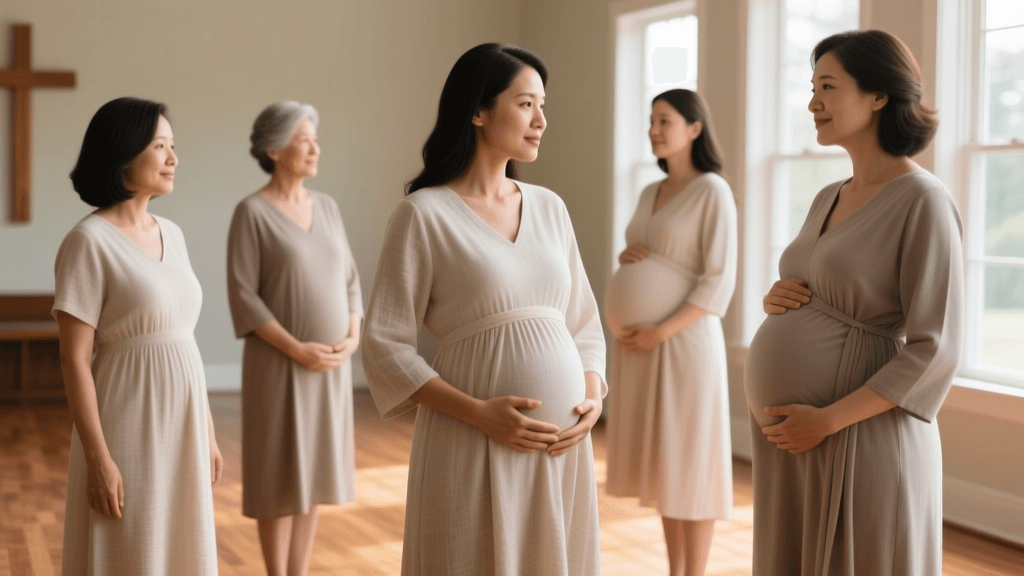
The Church recognizes the unique needs of expectant and nursing mothers. As of 2026, specialized maternity garments are available through the distribution centers. These feature expandable abdominal panels and discreet, overlapping nursing access points that allow mothers to breastfeed without removing the garment. These items are not always stocked in local brick-and-mortar distribution centers and often require special ordering through the online portal or by speaking directly with a distribution representative.
Purchasing, Care, and Maintenance
Purchasing garments requires a current, valid temple recommend, which is verified at the point of sale either in-person or via the Church's secure online authentication system. While local distribution centers carry a baseline inventory of the most popular styles (like the cotton round-neck and stretch boy-leg), the full 2026 catalog is only available online.
Best Practices for Garment Care
To extend the life of your garments and maintain the integrity of the fabrics, follow these care instructions:
- Washing: Machine wash in cold or warm water. Avoid using hot water, especially for the stretch blends, as high heat can degrade the spandex fibers over time.
- Drying: Tumble dry on low heat or air dry. High heat is the primary cause of shrinkage in 100% cotton garments and elastic deterioration in stretch models.
- Bleach: Never use chlorine bleach, as it weakens the fabric and can damage the sacred markings. Use oxygen-based brighteners if necessary.
The Historical Evolution of the Garment
Understanding the modern fit and styles is enriched by knowing the garment's history. The Church History department provides extensive resources detailing how the garment transitioned from the one-piece, full-length union-suit style of the 19th and early 20th centuries to the two-piece designs introduced in the mid-20th century. This historical shift was driven by the practical needs of women entering the workforce, engaging in physical education, and adapting to changing global fashion norms, all while preserving the sacred nature of the clothing.
Today, the ongoing refinement of women's temple garments reflects a commitment to honoring sacred covenants without placing undue physical burdens on the wearer. Whether you are selecting a breathable mesh top for a summer in Central America, a stretch boy-leg bottom for a busy workday in New York, or a nursing garment for your growing family, the 2026 options provide unprecedented comfort and versatility for Latter-day Saint women worldwide.