Sourcing Oaxacan Mixtec Huipiles & Cochineal Dyes in 2026
The Enduring Legacy of the Oaxacan Mixtec Huipil
In the rich tapestry of Latin American traditional garments, few pieces command as much respect and artistic admiration as the Oaxacan Mixtec huipil. As we navigate the global textile market in 2026, the demand for indigenous, hand-woven garments has surged, driven by a collective desire for slow fashion, cultural preservation, and sustainable practices. The Mixtec people, primarily residing in the Costa Chica and Mixteca regions of Oaxaca, Mexico, have maintained their ancestral weaving traditions for centuries. The huipil—a traditional, loose-fitting tunic worn by indigenous women—is not merely a piece of clothing; it is a wearable codex that communicates the wearer’s village, marital status, and cosmological beliefs.
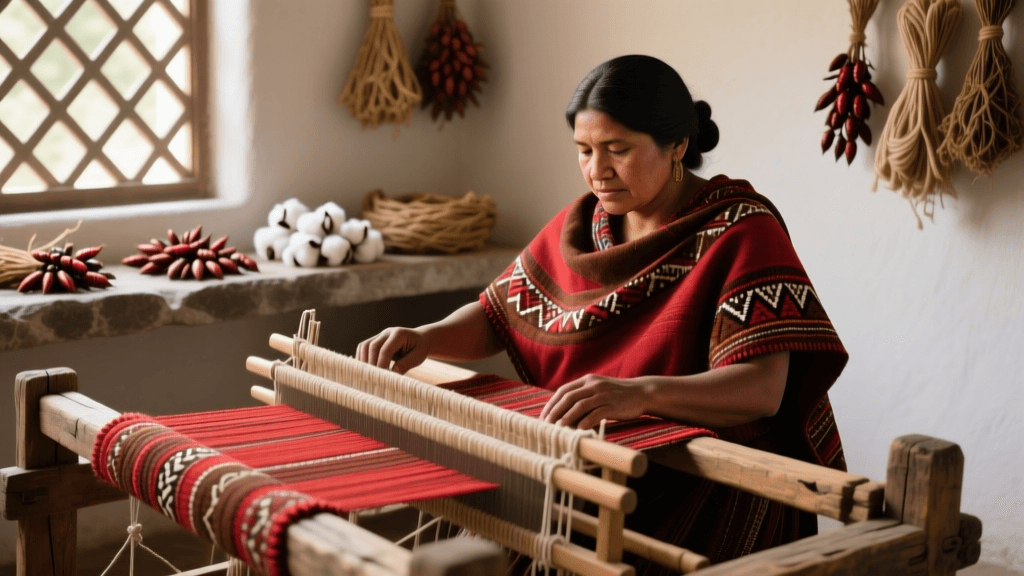
Unlike mass-produced textiles that dominate the fast-fashion landscape, an authentic Mixtec huipil is woven on a backstrap loom (telar de cintura). This ancient technology relies on the weaver's own body weight to maintain warp tension, allowing for an intimate, rhythmic connection between the artisan and the fabric. In 2026, master weavers from communities like San Juan Colorado and Jamiltepec continue to utilize native cotton varieties, including the prized coyuche (a naturally brown cotton) and crisp white cotton, spinning and dyeing threads by hand. For collectors, cultural enthusiasts, and ethical fashion advocates, understanding the nuances of these garments is essential to appreciating their true value and ensuring indigenous artisans are fairly compensated.
Cochineal: The "Red Gold" of the Americas
No discussion of Oaxacan textile arts is complete without exploring cochineal (Dactylopius coccus), the parasitic scale insect that lives on nopal cacti and produces a vibrant, colorfast carminic acid. Long before European contact, Mixtec and Zapotec civilizations cultivated cochineal, using it to dye royal garments and pay tributes. Today, in 2026, natural cochineal dye is experiencing a massive renaissance as consumers reject toxic, petroleum-based synthetic dyes.
The process of extracting this "red gold" is incredibly labor-intensive. Artisans carefully harvest the insects by hand, dry them in the sun, and grind them into a fine powder. To achieve the signature deep reds, purples, and oranges found in high-end Mixtec brocades, weavers use natural mordants and modifiers. Alum and cream of tartar are used to fix the color, while acidic modifiers like lime juice shift the dye to a brilliant orange, and alkaline substances like wood ash shift it to a deep violet. According to historical and cultural analyses by institutions like the Smithsonian Magazine, cochineal was once the second most valuable export from the Americas after silver, and its modern revival is a testament to indigenous agricultural and chemical ingenuity.
When sourcing cochineal-dyed textiles in 2026, buyers should look for the subtle, organic variations in color that are the hallmark of natural dyes. Unlike synthetic threads which offer a flat, uniform hue, hand-dyed cochineal cotton possesses a living depth, with slight variances that catch the light beautifully.
How to Authenticate Hand-Woven Textiles in 2026
With the rise in popularity of indigenous aesthetics, the market has unfortunately seen an influx of machine-made imitations and pedal-loom textiles falsely marketed as backstrap-loom masterpieces. To ensure you are purchasing an authentic Mixtec huipil and supporting indigenous intellectual property, apply these actionable authentication steps:
- The Selvedge Check: A true backstrap-loom textile will have finished edges (selvedges) that are either perfectly continuous or feature small, hand-tied knots where the warp threads were cut from the loom. Machine-made fabrics will have raw, serged, or hemmed edges.
- The Brocade vs. Embroidery Test: Traditional Mixtec motifs—such as the sapo (toad), mariposa (butterfly), and águila de dos cabezas (two-headed eagle)—are created using a supplementary weft technique (trama suplementaria). This means the pattern is woven directly into the fabric as it is being created. If you flip the textile over, an embroidered piece will show messy, overlapping threads on the back, whereas a woven brocade will show a nearly identical, albeit slightly inverted, pattern on the reverse side.
- The Flashlight Test: Hold a strong LED flashlight behind the fabric. Hand-spun cotton will show slight irregularities in the thread thickness (slubs), creating a beautifully imperfect shadow. Machine-spun commercial cotton will appear uniformly rigid.
- The Burn Test (For Verification): If purchasing from a high-end cooperative in 2026, you may request a thread burn test certificate. Natural cotton burns quickly to a fine, gray ash and smells like burning paper. Synthetic blends will melt into a hard, plastic bead and emit a chemical odor.
2026 Pricing and Ethical Sourcing Guide
The pricing of authentic Oaxacan textiles has adjusted in 2026 to reflect the true cost of labor, the scarcity of native cotton seeds due to climate shifts, and the rising demand for ethical fashion. Organizations like Fashion Revolution continually advocate for supply chain transparency, urging buyers to purchase directly from artisan cooperatives rather than middlemen who exploit weavers.
Below is a comparative pricing guide for Mixtec and Oaxacan huipiles based on 2026 market rates from verified indigenous cooperatives and fair-trade galleries:
| Garment Type | Loom Type | Dye Source | Estimated 2026 Price (USD) | Weaving Time |
|---|---|---|---|---|
| Everyday Huipil (Simpler motifs) | Pedal Loom | Synthetic / Commercial | $80 - $150 | 1 - 2 Weeks |
| Festive Huipil (Dense brocade) | Backstrap Loom | Synthetic / Indigo mix | $250 - $450 | 1 - 2 Months |
| Ceremonial Huipil (Heirloom) | Backstrap Loom | 100% Cochineal & Natural Indigo | $600 - $1,200+ | 3 - 6 Months |
| Bridal / Tapar Huipil (Coyuche cotton) | Backstrap Loom | Native Brown Cotton (Undyed) | $800 - $1,500 | 4 - 8 Months |
Where to Source: In 2026, the most ethical route is to purchase through recognized entities such as the Museo Textil de Oaxaca boutique, the Colectivo 1050° gallery in Mexico City (which partners directly with Oaxacan villages), or verified fair-trade e-commerce platforms that list the specific name and village of the weaver. Avoid purchasing "vintage" huipiles from unverified online auction sites, as this often fuels the illicit extraction of cultural patrimony from indigenous communities.
Caring for Cochineal-Dyed and Hand-Spun Garments
Owning a natural-dye Mixtec huipil requires specific care to preserve its structural integrity and vibrant colors. Cochineal is highly sensitive to pH levels. If washed with an alkaline detergent (like standard laundry powders), the brilliant reds will permanently shift to a dull purple or gray. Conversely, exposure to high acidity can turn the fibers orange over time.
Actionable Care Instructions for 2026:
- Washing: Hand-wash the garment only in cold water using a pH-neutral, plant-based soap (such as castile soap or specialized textile washes). Never soak cochineal-dyed cotton for more than 5 minutes.
- Drying: Never wring or twist the hand-spun cotton, as this can break the delicate fibers. Press the water out gently between two clean, white cotton towels. Lay the huipil flat to dry in a shaded, well-ventilated area. Direct sunlight will rapidly fade natural dyes and brittle the cotton.
- Storage: Store your huipil flat or loosely rolled in acid-free tissue paper inside a cedar chest or breathable cotton bag. Avoid wire hangers, which can distort the shoulder seams and cause the heavy brocade to stretch and warp over time.
By understanding the deep cultural roots, the complex chemistry of natural dyes, and the economic realities of indigenous artisans, collectors and fashion enthusiasts can engage with Latin American textile arts in a way that is both respectful and deeply rewarding. The survival of the Mixtec backstrap loom tradition into 2026 and beyond relies heavily on an educated consumer base that values human hands over industrial machines, and cultural heritage over fleeting trends. For more on the global preservation of these techniques, the UNESCO Intangible Cultural Heritage registry remains a vital resource for tracking and protecting indigenous artisanal practices worldwide.