Mormon Temple Garments 2026: Meaning, Purpose & Styles
Understanding Mormon Temple Garments
For members of The Church of Jesus Christ of Latter-day Saints, the temple garment is far more than a simple piece of clothing. It is a deeply sacred, deeply personal reminder of the covenants made with God inside the holy temple. Often referred to simply as 'garments' or 'Mormon undergarments' by the public, these white underclothes hold profound theological significance and serve as a constant, physical reminder of the wearer's commitment to live a righteous life. As we navigate the modern landscape of 2026, the intersection of ancient religious tradition and contemporary textile technology has resulted in a variety of garment styles and fabrics designed to meet the diverse needs of millions of faithful members worldwide. In this comprehensive guide, we will explore the meaning, purpose, and traditions surrounding Mormon temple garments, alongside a detailed breakdown of the styles, fabrics, and purchasing options available today.
The Spiritual Meaning and Purpose
The primary purpose of the temple garment is to serve as a physical reminder of the sacred covenants (promises) made during the temple endowment ceremony. According to the Gospel Topics Essay on Temple Garments published by the Church, the garment 'provides a constant reminder of the covenants made in the temple' and serves as 'a protection against temptation and evil.' The garment is not believed to possess magical properties or act as a literal shield against physical harm; rather, it is a spiritual armor that prompts the wearer to make righteous choices, remember Jesus Christ, and maintain personal purity.
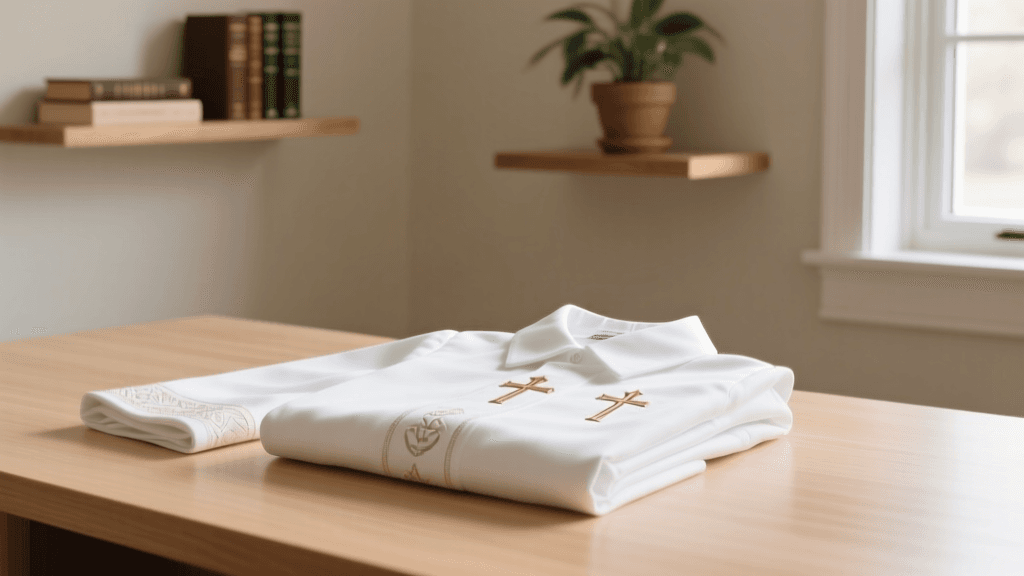
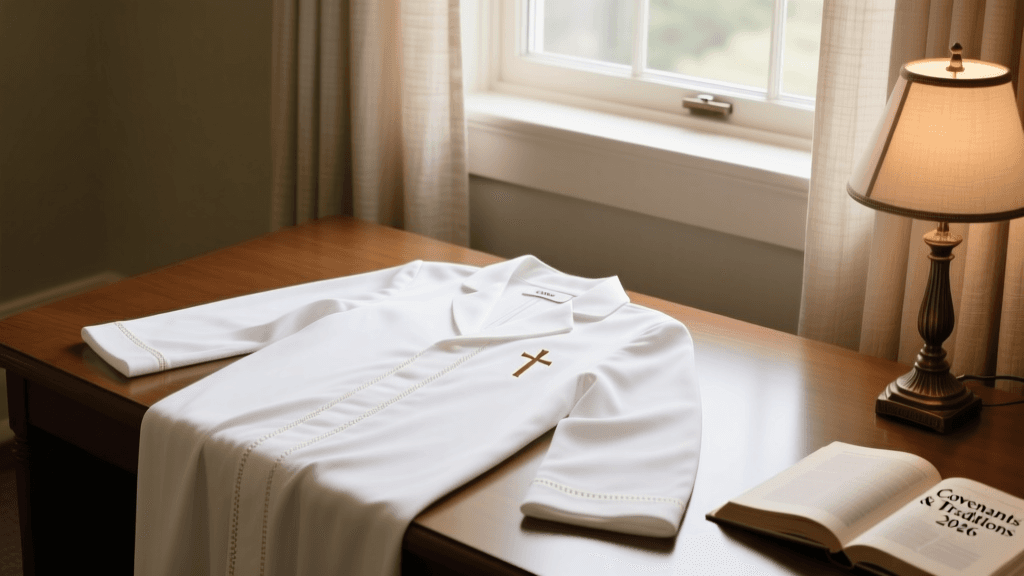
The design of the garment includes specific, modest markings that are woven or embroidered into the fabric. These marks are deeply symbolic, representing various aspects of the wearer's commitment to God, the Atonement of Jesus Christ, and the divine nature of humanity. Because of this sacred symbolism, members are taught to treat the garments with the utmost reverence, never displaying them casually or treating them as ordinary apparel.
Sacred Traditions: Wearing, Caring, and Disposing
The tradition of wearing the garment begins when a member of the Church is deemed worthy to enter the temple and participate in the endowment ordinance. This typically occurs in a member's late teens or early twenties, often prior to serving a full-time mission or getting married. Once endowed, members covenant to wear the garment day and night throughout their lives.
Daily Wear and Exceptions
Members are encouraged to wear the garment at all times. However, the Church recognizes practical exceptions. Garments may be temporarily removed for activities where they would be damaged or where modesty requires different attire, such as swimming, bathing, or participating in certain strenuous athletic activities. In 2026, the Church continues to emphasize that the decision to remove the garment for these activities should be guided by personal revelation and a desire to maintain the spirit of the covenant.
Respectful Care and Disposal
Caring for temple garments requires a mindset of reverence. When washing garments, members are advised to use standard laundry practices but to avoid harsh bleaches that might degrade the sacred markings. When a garment becomes worn, torn, or no longer usable, it must be disposed of respectfully. The long-standing tradition—and official Church policy—is to cut the garment into pieces so that it is no longer recognizable as a sacred item before placing it in the regular trash. Garments are never donated to thrift stores, charities, or clothing drives, as their sacred nature is strictly reserved for endowed members.
The Historical Evolution of Garment Design
The tradition of sacred undergarments in the Latter-day Saint movement dates back to the 1840s in Nauvoo, Illinois, when founder Joseph Smith introduced the temple endowment. Early garments were one-piece 'union suits' made of heavy cotton or wool, extending to the wrists and ankles. As fashion and climate needs changed, the design evolved.
In the 1920s, under the direction of Church President Heber J. Grant, the garment was modified to a more practical two-piece design (a top and bottom) with shorter sleeves and legs, accommodating the changing styles of the 20th century. Over the decades, the Church's Distribution Services has continually refined the cut, neckline, and fabric. By the 2020s, the focus shifted heavily toward inclusivity, comfort, and global climate adaptability, resulting in the diverse 2026 catalog that serves a global membership spanning from the humid tropics of Brazil to the freezing winters of Canada.
2026 Fabric and Style Comparison Guide
In 2026, the Official Church Distribution Store offers an extensive array of fabrics and cuts to ensure that members can wear their garments comfortably in any environment. The Church has invested heavily in textile engineering to provide moisture-wicking, breathable, and stretchable options without compromising the modesty requirements or the integrity of the sacred marks.
| Fabric Type | Best For | Climate / Activity | 2026 Price Range (USD) |
|---|---|---|---|
| 100% Cotton | Everyday wear, sensitive skin | Moderate / Indoor | $10.00 - $12.00 |
| Cotton/Modal Blend | Softness, drape, daily comfort | Moderate / Office | $12.00 - $14.00 |
| Performance Mesh | Athletics, high humidity, travel | Hot / Tropical / Active | $14.00 - $16.00 |
| Stretch (Spandex Blend) | Form-fitting clothing, mobility | All Climates / Active | $13.00 - $15.00 |
| Maternity Panel | Pregnancy and postpartum | All Climates | $14.00 - $16.00 |
Neckline and Cut Options
Modesty requirements dictate that the garment must cover the shoulders, chest, and upper thighs. To accommodate modern outerwear, the 2026 catalog includes several neckline options:
- Crew Neck: The traditional, higher neckline, ideal for standard t-shirts and button-downs.
- V-Neck: Designed to remain hidden under open-collared shirts or deeper necklines.
- Carmen (Off-the-Shoulder): Specifically designed for women wearing wide-neck or boat-neck blouses while maintaining coverage of the sacred marks.
- Youth Styles: Introduced for young women and men preparing for the temple, featuring modest cuts that align with standard youth clothing.
How to Purchase and Size Your Garments in 2026
Purchasing temple garments is restricted to endowed members of the Church, as well as those who have received a temple recommend for their upcoming endowment. The verification process is seamlessly integrated into the Church's digital infrastructure. When logging into the online store or visiting a local Distribution Center, a member's account is automatically verified against the Church's membership records to ensure they hold a valid temple recommend.
Sizing and Fit
A common misconception is that garments are meant to be restrictive. The official Temple Clothing and Purchasing Guidelines emphasize that garments should fit comfortably—snug enough to stay in place and prevent chafing, but loose enough to allow full range of motion. In 2026, the online store features an advanced digital sizing tool where members can input their chest, waist, and hip measurements to receive a customized size recommendation. For women, the tops and bottoms are sold separately, allowing for mixed sizing (e.g., a medium top and large bottom) to accommodate different body types perfectly.
Global Availability
While members in the United States and Canada can easily order garments online with rapid shipping, the Church has also expanded its regional distribution hubs in South America, Europe, and Asia. In regions where shipping is cost-prohibitive, local stake centers often host bi-annual 'garment exchanges' or distribution pop-ups, ensuring that members in remote areas of the Americas and beyond have access to the 2026 performance fabrics.
Modesty, Fashion, and Daily Life
Integrating temple garments with modern fashion is a daily reality for Latter-day Saints. Because the garment sets the baseline for modesty (covering the midriff, shoulders, and upper thighs), members naturally gravitate toward clothing that aligns with these standards. However, the fashion industry in 2026 offers more diverse trends than ever. To assist members, various independent Latter-day Saint fashion bloggers and modest clothing brands have emerged, offering styling guides on how to wear contemporary trends—like off-the-shoulder dresses or athletic wear—while keeping the sacred garments properly covered and respected.
For swimwear, specialized modest swimwear brands design swimsuits with built-in garment coverage, allowing members to participate in water activities without having to remove their garments, thus maintaining their spiritual protection and personal comfort in public settings.
Conclusion
The Mormon temple garment is a profound expression of faith, weaving together ancient covenant theology with the practical realities of modern life. As of 2026, the continued refinement of garment fabrics and styles demonstrates the Church's commitment to supporting its members in every climate and lifestyle. By understanding the deep meaning, purpose, and traditions behind these sacred garments, we gain a greater appreciation for the religious textile traditions that continue to shape the daily lives of millions across the Americas and the globe.