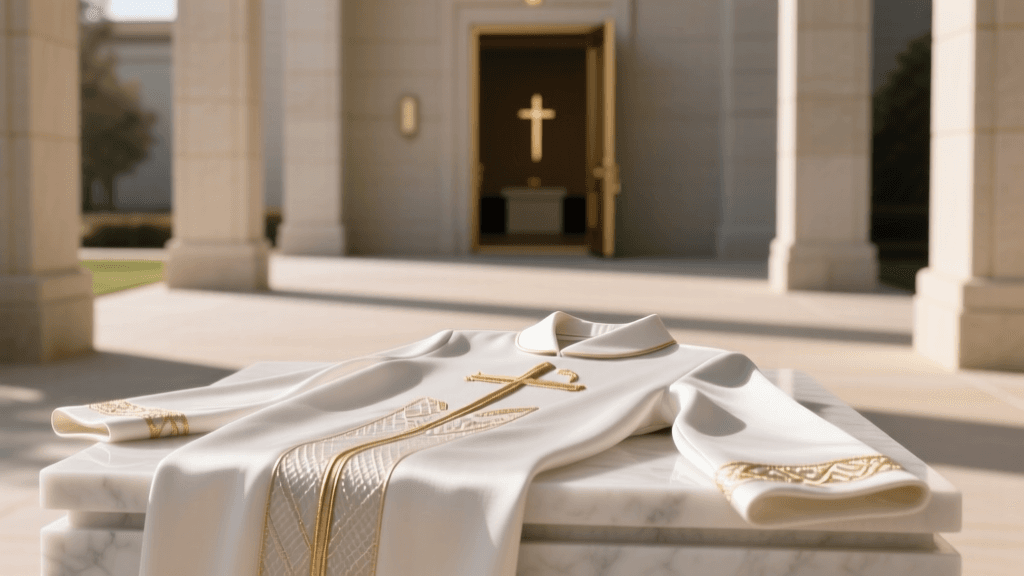
LDS Temple Garments in 2026: Symbolism, Styles, and Fit Guide
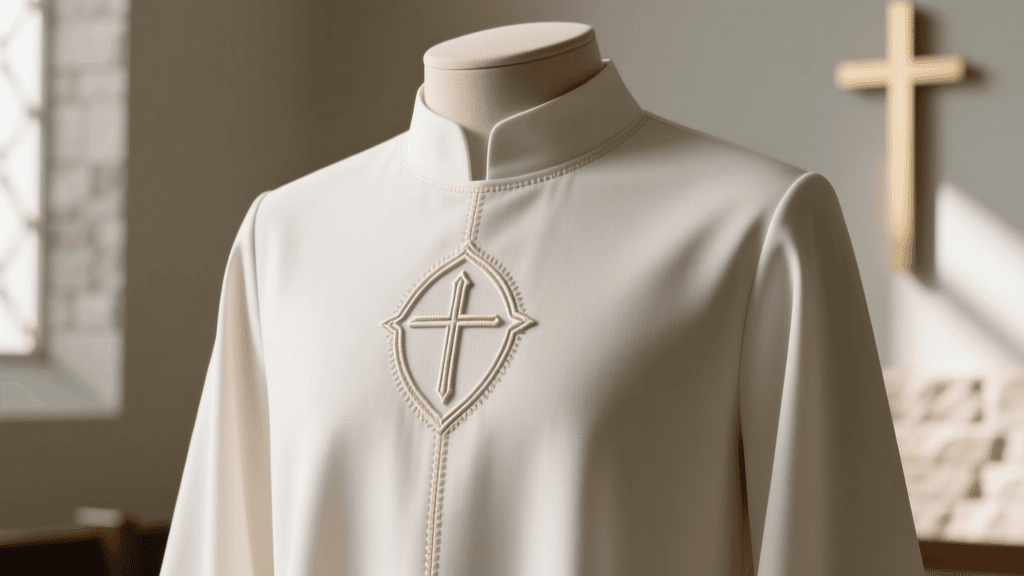
Introduction to the Sacred Garment
For members of The Church of Jesus Christ of Latter-day Saints, the temple garment is far more than a simple piece of clothing. It is a profound, sacred undergarment worn by endowed members as a constant, physical reminder of the covenants they have made with God. Often misunderstood by those outside the faith, the garment holds deep spiritual significance, serving as a symbol of devotion, modesty, and spiritual protection. As we navigate 2026, the Church has continued to refine the accessibility, fabric technology, and inclusive sizing of these garments, ensuring that members across the globe can wear them comfortably in any climate or physical circumstance. This comprehensive guide explores the religious meaning, the current styles available through Church Distribution Services, and practical advice for purchasing and caring for temple garments today.
The Spiritual and Covenant Meaning
To understand the temple garment, one must first understand the Latter-day Saint concept of the temple endowment. The endowment is a sacred ordinance performed inside dedicated temples, where members make solemn covenants—promises to live righteously, serve others, and dedicate their lives to Jesus Christ. According to official temple resources, the garment is provided during this ordinance as an outward expression of an inward commitment.
Unlike religious vestments worn by clergy during specific services, the temple garment is worn beneath everyday clothing, day and night. It serves as a private, personal shield and a reminder of the wearer's divine identity and eternal goals. The decision to wear the garment is a deeply personal act of faith, representing a member's desire to keep their covenants at the forefront of their mind in all aspects of daily life, from the workplace to the home.
The Symbolism of the Marks
The garment features specific woven or embroidered marks that serve as visual reminders of the covenants made during the endowment. While the exact visual nature of these marks is considered sacred and is generally not displayed publicly or discussed in casual settings, their symbolic meanings are deeply rooted in scriptural and ancient traditions. The marks represent core gospel concepts such as integrity, truth, spiritual nourishment, and reverence. By wearing these symbols against the skin, endowed members carry a constant, private reminder of their promises to God, transforming a simple piece of clothing into a profound spiritual anchor. The marks also connect modern Latter-day Saints to ancient priesthood traditions and the biblical narratives of Adam and Eve, symbolizing the transition from spiritual innocence to moral accountability and divine protection.
2026 Garment Styles, Fabrics, and Sizing
As the global membership of the Church has expanded, so too has the need for diverse garment options. In 2026, the Church Distribution Services catalog offers a highly sophisticated range of fabrics and cuts designed to accommodate different climates, body types, and modesty preferences. The shift toward advanced textile engineering has resulted in garments that are more breathable, durable, and comfortable than ever before.
Current Fabric and Style Comparison
| Fabric / Style Type | Best Use Case | Key Features for 2026 | Climate Suitability |
|---|---|---|---|
| 100% Cotton | Everyday wear, sensitive skin | Classic feel, high breathability, reinforced stitching | Temperate to Warm |
| Stretch Cotton Blend | Active lifestyles, athletic wear | Spandex integration for mobility, retains shape after washing | All Climates |
| Performance Mesh | High humidity, intense physical labor | Moisture-wicking technology, ultra-lightweight, quick-drying | Hot and Humid |
| Bamboo Viscose Blend | Eco-conscious wearers, luxury feel | Naturally antibacterial, thermoregulating, incredibly soft | All Climates |
| Modesty Panel (Women's) | Professional wear, varied necklines | Built-in upper chest coverage, seamless integration | Temperate to Warm |
Advancements in Adaptive and Inclusive Garments
One of the most significant and welcome developments in recent years, fully realized in the 2026 catalog, is the expansion of adaptive clothing. Recognizing that physical limitations should never be a barrier to participating in sacred ordinances or wearing the garment, the Church has heavily invested in inclusive design. Adaptive garments now feature side-openings, discreet snap closures, Velcro adjustments, and specialized hems designed for members who use wheelchairs, have limited mobility, or require assistance with dressing. This commitment ensures that the spiritual protection and comfort of the garment are available to all endowed members, honoring their dignity and devotion regardless of physical circumstances.
Practical Guide to Purchasing and Care
Purchasing temple garments is restricted to endowed members of the Church and requires a current temple recommend. In 2026, the primary method for ordering is through the official Church Distribution app or website, though local distribution centers near temples and stake centers remain available for in-person fittings.
Measuring for the Perfect Fit
A proper fit is essential for both comfort and the respectful treatment of the garment. The garment should fit snugly enough to stay in place but loose enough to allow for full range of motion and circulation. When using the digital sizing tools available on the distribution portal, members are advised to measure their chest, waist, and hips using a soft measuring tape. For women's styles, selecting the correct neckline (crew, V-neck, or low-neck) is crucial for accommodating different outer clothing styles while maintaining the required modesty standards.
Washing and Preservation Guidelines
To maintain the integrity of the fabrics and the sacred markings, proper care is essential. The 2026 fabric blends, particularly the performance mesh and bamboo options, require specific care routines:
- Temperature: Always wash in cold or lukewarm water. Hot water can degrade the elasticity of stretch blends and cause cotton to shrink, altering the fit.
- Detergent: Use mild, fragrance-free detergents to prevent skin irritation and preserve the structural integrity of the woven marks.
- Drying: Air drying is highly recommended, especially for mesh and stretch fabrics. If using a dryer, select the lowest heat setting or an air-only tumble cycle to prevent heat damage to the synthetic fibers.
- Disposal: When a garment becomes worn, torn, or unusable, it must be disposed of respectfully. Members are instructed to carefully cut out the sacred marks and destroy them privately before discarding the remaining fabric, ensuring the symbols are never treated as common refuse.
Cultural Respect and Dispelling Myths
Because the temple garment is worn beneath the clothing and is considered deeply sacred, it has historically been the subject of curiosity, misunderstanding, and unfortunately, mockery in popular culture. The derogatory term 'magic underwear' is highly offensive to Latter-day Saints, as it trivializes a sacred religious ordinance and reduces a profound spiritual covenant to a caricature.
As cultural awareness grows in 2026, there is a greater emphasis on religious literacy and respect. Just as one would respect the Sikh turban, the Jewish tallit katan, or the Muslim hijab, the LDS temple garment deserves the same level of dignified consideration. It is not a talisman or a magical ward; rather, it functions much like a wedding ring—a physical, tangible reminder of a sacred promise made to a higher power. Understanding this distinction is vital for fostering interfaith respect and meaningful dialogue.
Conclusion
The LDS temple garment remains a cornerstone of spiritual life for endowed members of The Church of Jesus Christ of Latter-day Saints. As of 2026, the intersection of ancient covenant theology and modern textile innovation has resulted in a garment that is more accessible, comfortable, and inclusive than at any point in history. Whether navigating the humid streets of a tropical metropolis or utilizing adaptive designs for physical accessibility, members are equipped to honor their covenants daily. By understanding the deep religious meaning and the practical realities of wearing the garment, both members and observers can foster a greater appreciation for this unique and sacred aspect of American and global religious culture.
For the most current sizing charts, fabric availability, and distribution center locations, members are encouraged to regularly consult the Church Newsroom and official distribution channels for updates on global supply and new adaptive clothing initiatives.