LDS Temple Garments: Sacred Meaning & 2026 Styles
The Cultural and Religious Tapestry of American Vestments
When exploring the rich history of religious dress and textile traditions across the Americas, one uniquely American-born tradition stands out for its deeply personal and sacred significance: the temple garment worn by members of The Church of Jesus Christ of Latter-day Saints (LDS). Originating in the mid-19th century in upstate New York and Nauvoo, Illinois, this religious undergarment represents a profound intersection of American textile history, modesty culture, and sacred covenant-making. Unlike the ornate, outer-facing regalia of Indigenous North American tribes or the hierarchical vestments of traditional Catholic clergy, the LDS temple garment is an intimate, hidden reminder of spiritual promises, making it one of the most unique religious clothing traditions in the modern Americas.
As we navigate 2026, the Church has continued to adapt its garment designs to meet the needs of a diverse, global membership while strictly preserving the sacred marks and modesty requirements established by early church leaders. For endowed members of the faith, understanding the cultural significance, religious meaning, and the latest 2026 fabric technologies is essential for both spiritual reverence and daily comfort.
The Sacred Symbolism and Religious Meaning
To the uninitiated, the temple garment is often misunderstood. However, for millions of Latter-day Saints, it is a deeply revered article of clothing. According to the Church's official Gospel Topics essay on Garments, the garment serves as a tangible, physical reminder of the covenants made with God inside the sacred walls of the temple. It is not viewed as a talisman or a source of magical protection, but rather as a spiritual shield and a personal commitment to live a righteous life.
Connection to Ancient Priesthoods
The concept of sacred undergarments is not unique to the Latter-day Saint tradition; it echoes the ancient priestly vestments described in the Book of Exodus, where Aaron and his sons were clothed in linen garments to signify their consecration to God. The modern LDS garment carries woven or embroidered marks that hold deep symbolic meaning, pointing the wearer toward Jesus Christ and reminding them of their divine potential. As highlighted in a foundational Ensign article on temple covenants, the garment is an outward expression of an inward covenant, bridging the gap between ancient religious practices and modern American worship.
A Standard of Modesty
Culturally, the garment dictates a standard of modesty that influences the broader fashion choices of Latter-day Saints. Because the garment covers the torso and upper thighs, members naturally gravitate toward clothing with higher necklines, longer sleeves, and modest hemlines. This creates a distinct cultural silhouette within American fashion, prioritizing dignity and respect for the body as a sacred temple in its own right.
Historical Evolution to Modern 2026 Designs
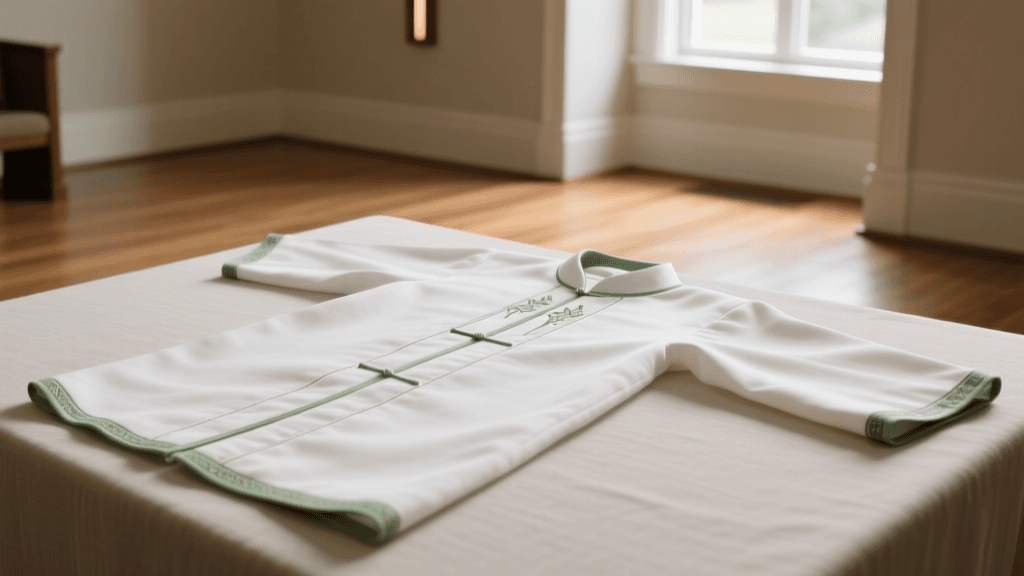
The earliest iterations of the garment, introduced in the 1840s, were one-piece union suits that extended to the wrists and ankles, reflecting the standard undergarments of the Victorian era. Over the decades, as American fashion and textile manufacturing evolved, the Church adapted the garment to remain practical for daily life. In the mid-20th century, the garment transitioned to a two-piece design (a top and bottom), which remains the standard today.
In 2026, the focus of garment design is on climate adaptability, inclusivity for different body types, and advanced moisture-wicking technologies. With the Church's massive expansion across the tropical climates of Latin America, the humid Southeastern United States, and the broader global south, the 2026 lineup of fabrics reflects a commitment to ensuring that members can wear their covenants comfortably, regardless of their environment or physical limitations.
2026 LDS Garment Style and Fabric Comparison
Choosing the right garment in 2026 requires an understanding of the diverse fabric technologies now available through Church Distribution. Below is a comprehensive comparison chart of the current styles, their material compositions, and their best use cases for the modern wearer.
| Garment Style (2026) | Fabric Composition | Best Use Case & Climate | Est. Price (Per Piece) |
|---|---|---|---|
| Cotton Classic | 100% Combed Cotton | Temperate climates, sensitive skin, everyday wear. | $8.50 - $9.50 |
| Modal Stretch | 95% Modal, 5% Spandex | Office wear, form-fitting modest fashion, all-season. | $10.00 - $11.00 |
| Athletic Performance | Nylon/Spandex Moisture-Wicking Blend | High-intensity workouts, sports, active lifestyles. | $12.00 - $13.50 |
| Heat-Weather Mesh | Lightweight Micro-Mesh Polyester | Tropical climates, high humidity, summer outdoor labor. | $9.50 - $10.50 |
| Maternity Support | Cotton/Spandex with Expandable Belly Panel | Pregnancy, postpartum recovery, abdominal comfort. | $11.00 - $12.50 |
| Seamless Edge | Microfiber Blend with Laser-Cut Hems | Wearing under lightweight or tight-fitting modest clothing. | $11.50 - $12.50 |
Notable 2026 Updates
This year, Church Distribution has expanded its Maternity Support line to include more inclusive sizing and improved postpartum compression features. Additionally, the Heat-Weather Mesh tops have been redesigned with slightly wider shoulder straps to prevent chafing in extreme humidity, a direct response to feedback from members serving missions and living in Central and South America.
How to Measure and Choose the Perfect Fit
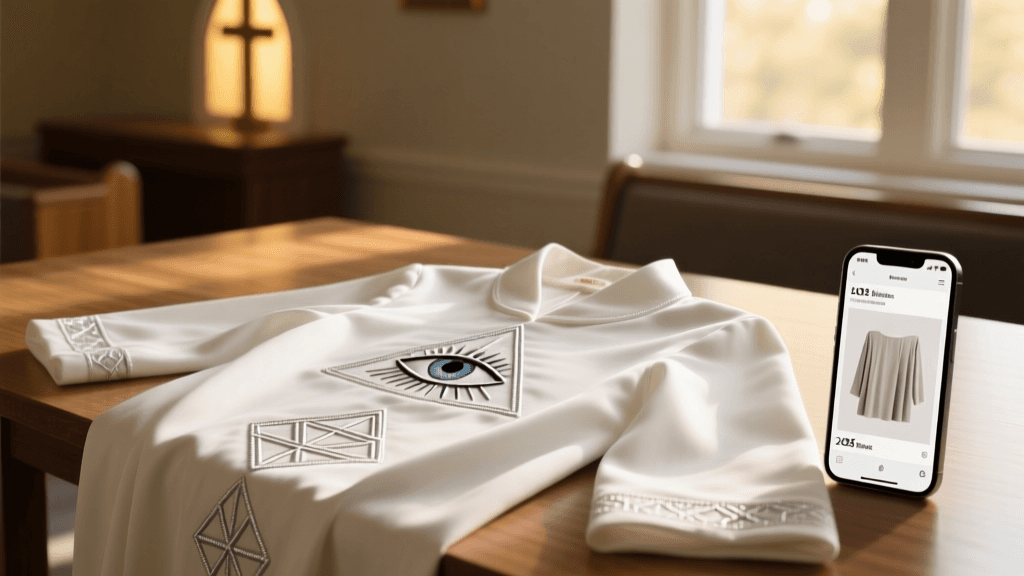
A proper fit is crucial for both the modesty requirements of the garment and the wearer's daily comfort. Garments should fit snugly but not restrictively. The Church's official online store and the 2026 updated Distribution app feature an augmented reality (AR) measuring tool, but taking manual measurements remains the most reliable method.
- Tops: Measure around the fullest part of the chest/bust. The hem of the top must be long enough to tuck securely into the bottom piece to ensure the midriff is completely covered at all times.
- Bottoms: Measure the waist at the narrowest point and the hips at the widest point. The length of the bottom must reach at least to the upper thigh, ensuring that when sitting or bending, the required modesty lines are maintained.
- Necklines and Sleeves: While 2026 offers slight variations in neckline (crew, v-neck, and scoop) and sleeve length (cap, short, and elbow), the fundamental rule remains: the garment must cover the shoulders, the chest, and the upper thighs.
Purchasing, Care, and Respectful Disposal
Temple garments are not sold in commercial retail stores; they are exclusively available through the Church's official Distribution centers or the secure online portal, which requires a Church account to verify endowed status. In 2026, shipping logistics have improved, allowing members in remote areas of the Americas to receive their orders within standard delivery windows, often with subsidized shipping for international branches.
Washing and Care Instructions
To preserve the integrity of the sacred marks and the elasticity of modern fabrics like Modal and Spandex, proper care is essential:
- Wash in cold or warm water using mild, non-bleach detergents.
- Avoid fabric softeners on moisture-wicking athletic garments, as they break down the wicking fibers.
- Tumble dry on low heat or line dry to prevent shrinkage and protect the elastic bands.
Respectful Disposal
When garments become worn, faded, or damaged beyond repair, they must be disposed of respectfully. The longstanding practice requires members to carefully cut out the sacred marks from the fabric. The marked portions should be destroyed (typically by burning or cutting into unrecognizable pieces), while the remaining, unmarked fabric can be discarded in the regular trash or repurposed as cleaning rags. This practice underscores the deep reverence members hold for the symbols of their covenants, ensuring that the sacred remains distinct from the mundane.
Conclusion
The LDS temple garment is far more than a piece of clothing; it is a profound American religious textile tradition that weaves together history, personal faith, and daily devotion. As the 2026 fabric innovations continue to make wearing the garment more comfortable for a diverse, global membership, the core purpose remains unchanged. It serves as a quiet, constant, and sacred reminder of the promises made to God, anchoring the wearer's spiritual life amidst the complexities of the modern world.