LDS Temple Garment Shopping 2026: Where & How to Buy
Understanding LDS Temple Garments in 2026
For endowed members of The Church of Jesus Christ of Latter-day Saints, the temple garment is a deeply sacred article of clothing. Worn beneath everyday attire, these garments serve as a personal, private reminder of the covenants made with God inside sacred temples. As we navigate 2026, the landscape of purchasing, distributing, and caring for these garments has evolved significantly, blending modern e-commerce convenience with the reverent nature of the clothing itself. Whether you are a recently endowed member preparing to buy your first set, or a lifelong member looking to update your wardrobe with the latest fabric technologies, understanding where and how to shop is essential.
Historically, the temple garment has undergone various design shifts to accommodate modern climates, lifestyles, and modesty requirements. Today, the Church's distribution network is highly optimized, ensuring that members across the Americas and around the globe have reliable access to these sacred items. This comprehensive guide will walk you through the 2026 purchasing process, from locating distribution centers to mastering the online ordering portal and selecting the right fabrics for your lifestyle.
Where to Buy: The Shift in Distribution Centers
If you are wondering where to buy LDS temple garments in 2026, it is important to note a major shift in physical retail availability. In the past, members could easily purchase garments at almost any local Deseret Bookstore located in shopping malls or strip centers. However, to streamline inventory and reduce overhead, the Church has largely transitioned away from stocking deep garment inventories in standard retail Deseret Book locations.
Temple Distribution Centers
Today, physical purchases are primarily handled at Temple Distribution Centers. These specialized storefronts are located adjacent to or inside temple visitor centers and major temple complexes across the Americas, from the Salt Lake Temple area to the São Paulo Brazil Temple. If you live near a temple, visiting the distribution center remains an excellent option, as it allows you to feel the fabrics, try on sample sizes, and speak directly with knowledgeable staff who can assist with specialized fitting needs.
The Online Store Portal
For the vast majority of members in 2026, the primary method of purchasing garments is through the official online Church Distribution store. This digital shift has vastly improved accessibility for members living in rural areas or those who do not have a temple nearby. The online portal is integrated directly with your Church Account, ensuring a secure, private, and seamless shopping experience.
How to Order Online: Step-by-Step for 2026
Ordering garments online requires verification of your endowed status, as these items are not available to the general public. Here is the exact step-by-step process to purchase garments through the official 2026 digital portal:
- Step 1: Access Your Church Account. Navigate to the official Church online store and log in using your standard Church Account credentials. This is the same account you use for tools like Member Tools or FamilySearch.
- Step 2: Navigate to the Clothing Section. Once logged in, select the 'Clothing' category from the main menu, then filter by 'Garments'. The system automatically verifies your endowed status in the background; if you are not endowed, this category will not be visible.
- Step 3: Select Your Styles and Fabrics. Browse the 2026 catalog. You can filter by gender, fabric type (e.g., Cotton, Stretch, Mesh), and style (e.g., Crew, V-Neck, Caraco).
- Step 4: Choose Sizes and Quantities. Use the integrated digital sizing chart to select your sizes. You can mix and match tops and bottoms, and select multi-packs for better value.
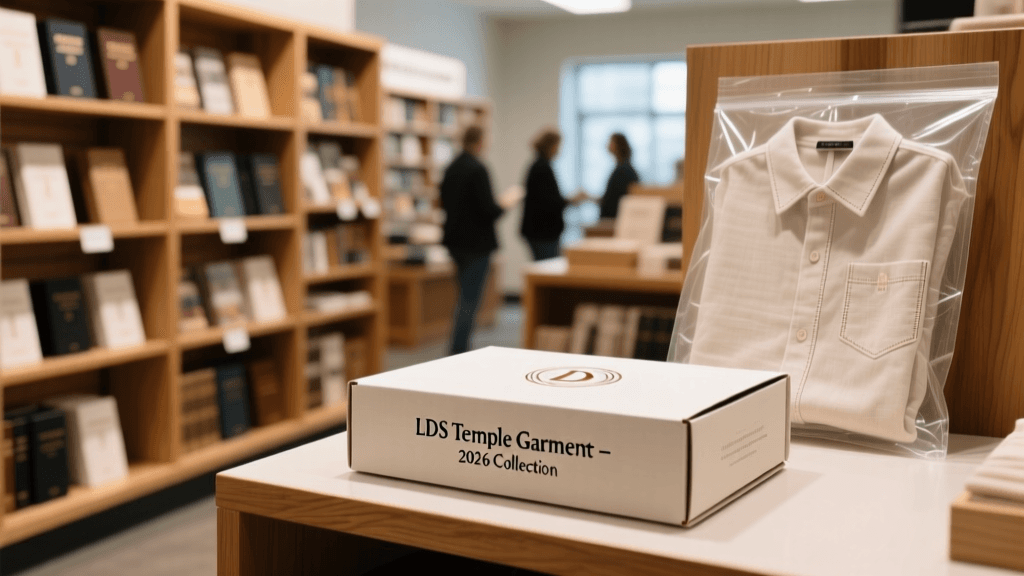
- Step 5: Checkout and Shipping. Proceed to checkout. Standard shipping within the United States and Canada typically takes 3 to 5 business days. Packaging is completely discreet, arriving in plain, unmarked boxes to maintain the privacy and sacred nature of the contents.
2026 Fabric and Style Guide
The Church has continually worked with textile experts to improve the comfort, durability, and breathability of temple garments. In 2026, members have access to a wide variety of fabrics designed for different climates and activities. Below is a comparison of the primary styles and fabrics available this year.
| Style Category | Men's Options | Women's Options | Best Use Case |
|---|---|---|---|
| Classic Cotton | Crew, V-Neck, Boxer | Cotton Stretch, Cap Sleeve | Everyday wear, sensitive skin, cooler climates |
| Performance Mesh | Moisture-Wicking Crew | Active Stretch, Modesty Panel | Hot climates, gym, sports, summer humidity |
| Premium Modal | Modal Blend V-Neck | Modal Caraco, Stretch Lace | Formal wear, layering, ultra-soft comfort |
| Winter/Modesty | Long Boxer, Thermal | High-Neck, Long Sleeve | Winter weather, formal modesty requirements |
For women, the introduction and refinement of the caraco style (a longer, tunic-like top that prevents the garment from untucking) and stretch-lace modesty panels have been highly praised in recent years. For men, the moisture-wicking mesh fabrics remain the top choice for those living in the humid climates of the American South or Latin America. For more cultural context on how these garments integrate with daily life, you can explore faith and culture reporting which frequently covers member experiences with garment care and modesty.
Sizing, Measuring, and the Digital Fit Tool
Getting the right fit is crucial for both comfort and reverence. Ill-fitting garments can cause discomfort or wear out prematurely. In 2026, the online store features an enhanced Digital Fit Tool that helps members calculate their exact size based on a few simple measurements.
To measure yourself accurately, use a soft fabric measuring tape:
- Chest/Bust: Measure around the fullest part of your chest, keeping the tape level under your arms.
- Waist: Measure around your natural waistline, usually just above the belly button.
- Hips: Measure around the fullest part of your hips and buttocks.
- Inseam (for men's bottoms): Measure from the crotch seam down to where you want the bottom of the garment to rest on your thigh.
If you fall between sizes, the general recommendation from distribution specialists is to size up for a more relaxed, comfortable fit, particularly with 100% cotton fabrics that may experience slight shrinkage after the first wash. Stretch fabrics, on the other hand, offer more forgiveness and can accommodate a wider range of body types within a single size category.
International Ordering and Accessibility
For members living outside the United States and Canada, purchasing garments in 2026 is more accessible than ever, though logistics vary by region. The Church operates regional distribution hubs in locations such as Mexico City, São Paulo, and Santiago. Members in these regions can order through their localized online portals, which price items in local currencies and offer significantly reduced shipping times compared to ordering from Salt Lake City.
For members in remote areas or countries without a dedicated regional hub, local temple presidents and stake leaders often coordinate bulk orders or utilize designated distribution missionaries to ensure that endowed members have access to the garments they need. If you are struggling to access the online store due to regional internet restrictions or shipping limitations, reaching out to your local bishop or branch president is the best first step to find a localized solution.
Traveling with Garments in 2026
Traveling with sacred clothing requires mindfulness, especially when navigating airport security. According to current TSA and international aviation security guidelines, temple garments are treated with the same respect as other religious items. You are entirely permitted to pack them in your carry-on or checked luggage.
If you are asked to remove items from your bag during a security screening, you can quietly and politely inform the agent that the items are sacred religious clothing. Security personnel are trained to handle religious items respectfully and can offer a private screening room if a physical pat-down or closer inspection is required. Many members in 2026 utilize dedicated, opaque packing cubes specifically reserved for their garments, keeping them organized, clean, and easily identifiable to security without exposing them to public view.
Care, Maintenance, and Respectful Disposal
Proper care extends the life of your garments and maintains their pristine condition. Always wash garments in cold or warm water with like colors. Avoid using harsh bleach, which can degrade the elastic fibers and weaken the fabric over time. Tumble dry on low heat or hang dry, especially for the performance mesh and modal fabrics, which are highly susceptible to heat damage.
When a garment becomes worn, torn, or unusable, it must be disposed of respectfully. The official guidance from official temple resources dictates that the sacred marks (the symbols embroidered or screen-printed on the fabric) must be carefully cut out and destroyed. Once the marks are removed, the remaining fabric can be discarded in the regular trash, or repurposed as cleaning rags if the material is still in decent condition. This practice ensures that the sacred symbols are never treated as common refuse.
Conclusion
Shopping for LDS temple garments in 2026 is a streamlined, private, and highly accessible process. Whether you are visiting a temple-adjacent distribution center to feel the new modal blends in person, or utilizing the secure online portal to order a year's supply of moisture-wicking mesh, the Church's distribution network is designed to support your sacred commitments. By understanding the current styles, taking accurate measurements, and following proper care guidelines, you can ensure that your garments remain a comfortable and constant reminder of your covenants throughout your daily life.