Crafting the Ojibwe Jingle Dress: 2026 Material Sourcing Guide
The Living Tradition of the Jingle Dress
The Ojibwe jingle dress, known in the Ojibwe language as the Chiigaazhiwe Ojibwe (the dress that heals), is one of the most profound and visually striking expressions of Indigenous culture in North America. Originating in the early 20th century among the Ojibwe people of the Great Lakes region as a healing ceremony, the jingle dress dance has since evolved into a powerful intertribal staple at modern powwows. As we navigate the 2026 powwow season, the creation of jingle dress regalia remains a deeply spiritual endeavor, requiring not only exceptional artisan skills but also a profound understanding of cultural protocol and material authenticity.
According to the Smithsonian National Museum of the American Indian, the jingle dress is intrinsically tied to healing, community resilience, and the honoring of ancestors. The distinctive sound of the dress—which mimics the sound of rain on a tin roof or the rustling of leaves—is believed to carry prayers to the Creator. For artisans and dancers preparing for the 2026 circuit, sourcing the correct materials is the first step in honoring this living tradition.
Cultural Protocol and Respectful Creation
Before purchasing a single yard of fabric or a gross of metal cones, it is vital to understand that Native American regalia is never referred to as a 'costume.' It is sacred attire. The process of making a jingle dress often involves prayer, fasting, and seeking guidance from community elders. In 2026, many Indigenous art cooperatives emphasize that the intention behind the garment is just as important as the physical materials. If you are creating a dress for yourself or a family member, consult with your local powwow committee or tribal elders regarding specific color preferences, regional styling variations, and the appropriate blessings required before the dress is worn in the arena.
Essential Materials for Authentic Regalia
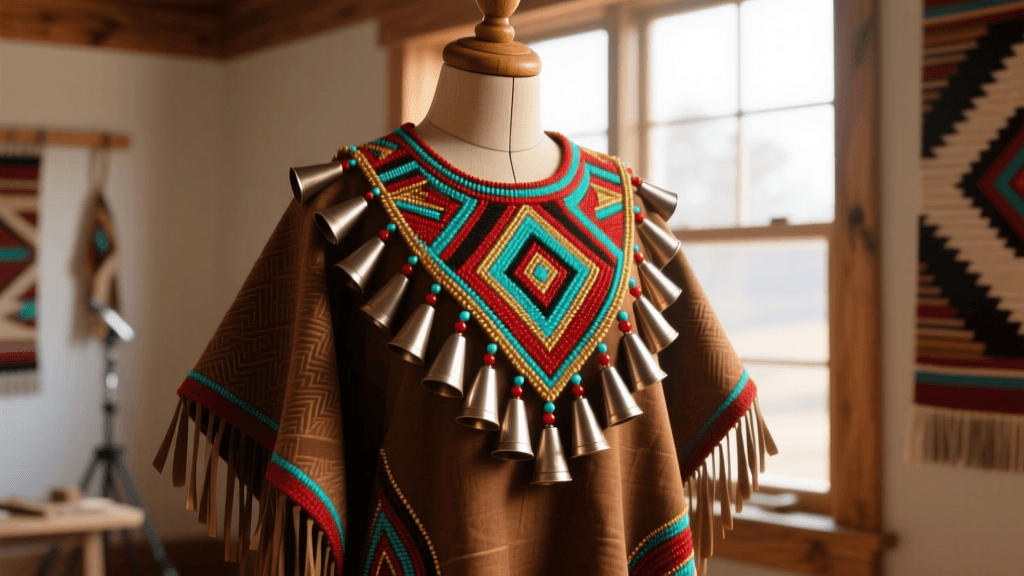
Constructing a jingle dress requires a specific combination of textiles, metals, and beadwork supplies. The modern dress typically features a cotton or broadcloth base, adorned with ribbon appliqué, intricate beadwork, and hundreds of rolled metal cones.
Sourcing Metal Jingles (Cones)
The 'jingles' are the heart of the dress. Historically, these were crafted by rolling the lids of snuff cans into small, conical tubes. Today, while some traditionalists still hand-roll cones from sheet metal or repurposed lids for a custom, slightly irregular sound, the vast majority of dancers purchase manufactured stamped or rolled metal cones. The goal is to achieve a bright, resonant, and unified sound when the dancer performs the signature low, sweeping footwork.
| Cone Type | Sound Profile | Durability | 2026 Avg. Cost (per Gross) |
|---|---|---|---|
| Hand-Rolled Sheet Metal | Deep, resonant, organic | High (if properly sealed) | $120 - $180 (Custom) |
| Manufactured Stamped Cones | Bright, sharp, uniform | Very High | $45 - $65 |
| Repurposed Lid Cones | Mellow, traditional | Moderate (prone to rust) | $80 - $100 (Artisan made) |
When attaching the cones in 2026, most artisans use heavy-duty artificial sinew (waxed polyester thread) or narrow satin ribbon. Artificial sinew is highly recommended for the stress points, as it will not snap under the weight of the metal during vigorous dancing.
Selecting Broadcloth and Cotton Foundations
The foundation of a high-quality jingle dress is typically made from wool broadcloth or heavy cotton calico. Wool broadcloth is prized for its rich, deep colors—most commonly navy blue, black, forest green, and burgundy—and its elegant drape. However, due to global textile tariffs and supply chain shifts in early 2026, the price of premium Melton wool broadcloth has seen a noticeable increase. Cotton calico remains a popular, breathable, and more affordable alternative for the base skirt and blouse, especially for dancers competing in the hotter summer months of the powwow season.
Ribbonwork and Appliqué
Ribbonwork is a hallmark of Great Lakes Indigenous artistry. Modern jingle dresses often feature intricate ribbon appliqué along the hem, yoke, and sleeves. Artisans in 2026 favor high-quality polyester or satin ribbons that resist fraying and maintain their vibrant hues under the harsh arena lights. The appliqué process involves carefully cutting, folding, and stitching ribbons to create geometric patterns that hold personal or clan significance.
Beadwork Supplies: Czech Seed Beads and Sinew
The beadwork on a jingle dress—typically found on the yoke, belt, cuffs, and sometimes the purse or shawl—requires uniform, high-quality glass seed beads. Czech glass seed beads (such as those from Preciosa) in size 11/0 or 13/0 are the gold standard. In 2026, there is a massive resurgence in the demand for 'vintage' Czech beads, which feature slightly irregular shapes and a matte finish that mimics historical pieces. For the beadwork itself, artisans use the lazy stitch (lane stitch) for large geometric areas and the appliqué (spot stitch) for intricate floral or curvilinear designs.
2026 Supplier Directory and Ethical Sourcing
As the Indigenous art market continues to grow, ethical sourcing has become a primary concern for the Native community. It is crucial to support Native-owned businesses, tribal cooperatives, and established, respectful trading posts. The Southwestern Association for Indian Arts (SWAIA) continually advocates for the protection of Indigenous intellectual property and the support of authentic Native artisans. When purchasing materials, prioritize vendors who give back to Indigenous communities or are Indigenous-owned themselves.
- Crazy Crow Trading Post: A long-standing, highly reputable supplier of authentic Native American crafting materials, including bulk seed beads, artificial sinew, broadcloth, and manufactured jingle cones.
- Native-Owned Bead Shops: In 2026, many Native beadworkers sell curated 'regalia kits' and rare vintage beads directly through specialized e-commerce platforms and social media storefronts. Searching for Indigenous bead cooperatives ensures your money stays within the community.
- Local Powwow Vendors: Purchasing ribbon, fabric, and cones directly from vendors at regional powwows supports traveling Native entrepreneurs and allows you to inspect the materials in person.
2026 Cost Breakdown and Budgeting
Creating a full, competition-ready jingle dress is a significant financial and temporal investment. Below is an estimated budget for sourcing materials in 2026 for an adult-sized dress. Note that this does not include the hundreds of hours of labor required for sewing, ribbonwork, and beadwork.
| Material Category | Quantity Needed (Approx.) | Estimated 2026 Cost (USD) |
|---|---|---|
| Wool Broadcloth / Cotton Base | 5 - 8 yards | $120 - $250 |
| Metal Jingles (Cones) | 400 - 700 pieces (3-5 gross) | $150 - $325 |
| Ribbon for Appliqué & Ties | 30 - 50 yards | $60 - $110 |
| Czech Seed Beads (11/0) | 10 - 15 hanks | $80 - $150 |
| Artificial Sinew & Thread | Multiple spools | $30 - $50 |
| Interfacing & Lining | 3 - 5 yards | $40 - $70 |
| Total Estimated Material Cost | $480 - $955 |
Note: Prices fluctuate based on the artisan's location, shipping costs, and whether materials are bought in bulk from trading posts like Crazy Crow or sourced from specialized Native artisans.
Final Thoughts for the 2026 Powwow Season
The creation of an Ojibwe jingle dress is a journey that connects the artisan to generations of healers, dancers, and ancestors. As you gather your broadcloth, roll your cones, and string your beads in 2026, remember that every stitch carries a prayer. By prioritizing authentic materials, respecting cultural protocols, and supporting ethical, Native-owned supply chains, you ensure that the healing power of the Chiigaazhiwe Ojibwe continues to resonate across the powwow arenas of the Americas for generations to come.