LDS Temple Garment Shopping 2026: Where and How to Buy
The 2026 Landscape of LDS Temple Garment Shopping
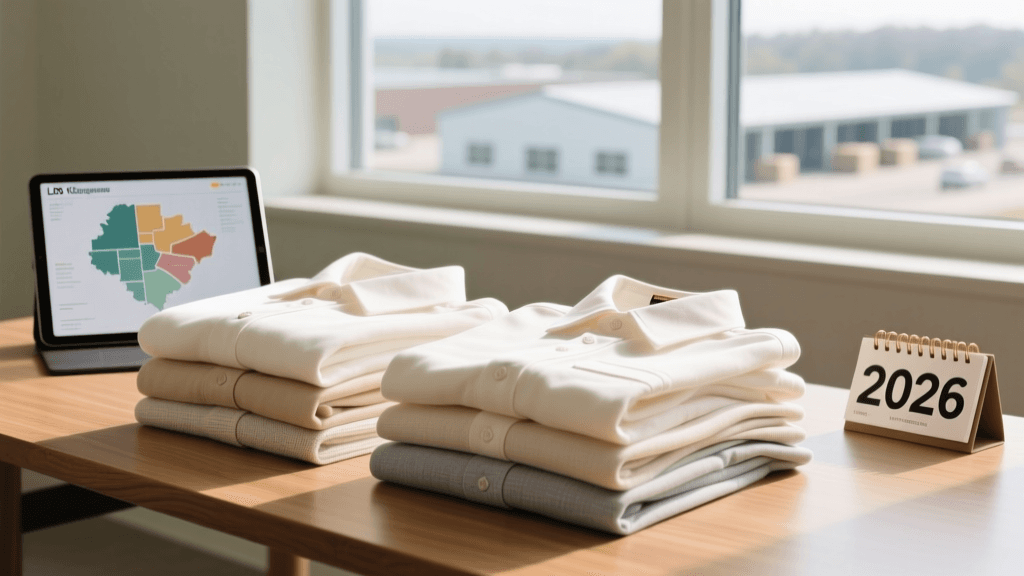
For members of The Church of Jesus Christ of Latter-day Saints, the temple garment is a deeply sacred reminder of covenants made within the temple. As outlined in the official Gospel Topics: Temple Garments essay, these garments provide a constant, personal reminder of those sacred promises. Over the past few years, the process of acquiring these garments has evolved significantly. As of 2026, the Church has fully optimized its digital-first distribution model, making it easier than ever for endowed members to order, customize, and receive their garments, while still maintaining physical distribution centers at major temple sites worldwide.
Whether you are preparing to receive your endowment for the first time or you are a seasoned patron needing to replenish your wardrobe, understanding the 2026 purchasing landscape is essential. This comprehensive guide will walk you through exactly where to buy LDS temple garments, how to navigate the online ordering portal, the latest fabric technologies available this year, and crucial sizing advice to ensure a comfortable, respectful fit.
Where to Buy Official Temple Garments
It is important to note that official temple garments, which include the sacred markings, are strictly reserved for endowed members of the Church and cannot be purchased through third-party retailers, secular clothing stores, or unauthorized online marketplaces. In 2026, there are two primary, official channels for acquiring garments:
1. The Official Online Church Store
The most common and convenient method for purchasing garments in 2026 is through the Official Church Store website or the accompanying mobile app. The digital storefront is linked directly to your Church Account and membership record. This integration ensures that only members who have been verified as endowed by their local bishop or branch president can access the garment catalog. The online store offers the full range of 2026 styles, fabrics, and specialized options, shipping directly to your home or to a local Distribution Center for pickup.
2. Physical Distribution Centers
Physical Distribution Centers (DCs) remain a vital resource, particularly for members who prefer to see and feel the fabrics in person, or those who need immediate replacements while traveling. Most major temples and several standalone facilities adjacent to temples operate a DC. According to the Church Newsroom: Temples Fact Sheet, the Church continues to expand its global temple footprint, and with it, the network of distribution centers. While physical inventory at DCs may be limited to the most popular sizes and fabrics compared to the massive online warehouse, staff at these locations are highly trained to assist with sizing, special orders, and immediate needs.
Step-by-Step: How to Order Online in 2026
If you are new to the online ordering system or haven't ordered in a few years, the 2026 interface is highly intuitive. Follow these steps to place your order:
- Create or Sign In to Your Church Account: Ensure your account is linked to your official membership record. If you have recently received your endowment, your bishop must update your record in the church system before the garment section of the store will unlock for you.
- Navigate to the Clothing Section: Once verified, select 'Temple Garments' from the main clothing menu.
- Select Your Category: Choose between Men's, Women's, or Youth (for young women preparing for the temple, though youth garments are a specific, separate category from adult endowed garments).
- Choose Fabric and Style: Filter by your preferred material (e.g., Modal, Cotton, Mesh) and style (e.g., V-neck, Cap Sleeve, Boxer).
- Enter Sizing: Use the interactive 2026 sizing tool, which allows you to input your exact measurements rather than relying solely on generic S/M/L designations.
- Checkout and Shipping: You can choose standard home delivery or opt for 'Ship to Distribution Center' if you prefer to pick up your order locally and avoid shipping fees to your home.
Understanding 2026 Fabric Options and Styles
The Church has continually refined garment textiles to accommodate different climates, sensitivities, and lifestyles. The 2026 catalog features advanced moisture-wicking technologies and softer blends that maintain modesty and durability without sacrificing comfort.
Fabric Comparison Chart
| Fabric Type | Best For | Key Characteristics (2026 Blends) |
|---|---|---|
| 100% Cotton | Sensitive skin, traditional preference | Breathable, natural, slightly heavier, requires more careful drying to prevent shrinkage. |
| Cotton/Polyester Blend | Everyday wear, durability | Wrinkle-resistant, holds shape well, balanced breathability, easy to care for. |
| Modal (Beechwood) | Hot climates, luxury feel | Exceptionally soft, lightweight, excellent moisture-wicking, drapes well, resists shrinking. |
| Mesh / Performance | Athletics, extreme heat, humidity | Ultra-lightweight, maximum airflow, quick-drying, ideal for tropical climates or intense workouts. |
| Stretch / Spandex Blend | Active lifestyles, form-fitting clothing | Provides flexibility, retains shape, slightly thicker but moves seamlessly with the body. |
Women's Garment Styles
The 2026 women's catalog is the most inclusive and varied in the Church's history. Recognizing the diverse wardrobes and physical needs of women, the online store offers multiple neckline options (round, scoop, V-neck, and square), sleeve lengths (cap, short, and elbow-length), and bottom styles (classic, boy-leg, and bikini cut). Additionally, the 2026 lineup features dedicated maternity garments with expandable abdominal panels, as well as specialized nursing-friendly designs that maintain modesty and sacred coverage.
Men's Garment Styles
Men's options in 2026 focus on versatility and comfort under modern professional and casual attire. Tops are available in crew and V-neck styles, with sleeve lengths ranging from standard short sleeves to extended cap sleeves to ensure coverage when raising arms. Bottoms include traditional brief styles as well as longer boxer-brief cuts, which have become increasingly popular for preventing chafing and providing better coverage under modern, slimmer-fit trousers.
Adaptive and Accessibility Garments
A major highlight of the 2026 distribution updates is the expanded availability of adaptive garments. The Church recognizes that physical disabilities, medical devices, and mobility issues should never be a barrier to wearing the sacred garment. The online store now features a dedicated 'Adaptive' section. These garments include modifications such as shoulder-snap closures for individuals with limited arm mobility, open-back designs for those who use wheelchairs or are bedbound, and specialized accommodations for medical ports or ostomy bags. These items can be ordered online or requested through a local Distribution Center manager to ensure a custom, dignified fit.
Sizing, Fit, and Measurement Guide
Proper fit is crucial for both comfort and the respectful wearing of the garment. The garment should fit snugly enough to stay in place but loosely enough to be comfortable. In 2026, the online store utilizes a dynamic measurement calculator. To get the best fit, use a soft measuring tape and follow these guidelines:
- Chest/Bust: Measure around the fullest part of your chest/bust, keeping the tape level across your back.
- Waist: Measure around your natural waistline (typically just above the belly button), not where your pants sit.
- Hips: Measure around the fullest part of your hips and buttocks.
- Inseam (for men's bottoms): Measure from the upper inner thigh down to where you want the leg to end.
Pro Tip: If you are between sizes, the general 2026 recommendation is to size up for 100% Cotton (to account for minor shrinkage over time) and size true-to-measurement for Modal and Stretch blends, as they are engineered to retain their exact dimensions.
Caring for Your Garments
To maximize the lifespan of your garments, proper laundering is essential. The advanced 2026 fabrics, particularly Modal and Performance Mesh, require specific care. Always wash garments in cold or warm water with like colors. Avoid using bleach or harsh fabric softeners, as these can break down the elastic fibers and degrade the moisture-wicking properties of the synthetic blends. When drying, use a low-heat or air-fluff setting. High heat is the enemy of elastane and spandex, and excessive tumble drying will cause premature wear and loss of shape.
Proper Disposal of Worn Garments
When garments become overly worn, stretched out, or damaged beyond repair, they must be disposed of properly. The sacred markings should be carefully cut out and destroyed (typically by cutting them into small pieces and disposing of them in the household trash). The remaining fabric, which no longer bears the marks, can be discarded in the regular trash or repurposed as cleaning rags. It is never appropriate to donate worn garments to thrift stores or charity organizations.
Frequently Asked Questions
Can I buy garments for my child who is not yet endowed?
No. Temple garments with the sacred markings are exclusively for members who have received their endowment. However, the Church store does sell 'Youth Garments' for young women and 'Temple Clothing' (the white outer clothing worn inside the temple) which can be purchased by anyone preparing to attend the temple.
What if I am traveling and run out of clean garments?
If you are traveling in 2026 and find yourself in need, you can visit the Distribution Center at the nearest temple. Most temple DCs keep a stock of emergency replacement garments in common sizes. Alternatively, you can log into the Church Store app on your smartphone and order a shipment to your hotel or current address, provided you have a stable location to receive mail for a few days.
Are there color options other than white?
Currently, the standard temple garment is white, symbolizing purity and equality. However, the Church has occasionally released limited runs of sand or light gray garments for specific military or tactical use where white would pose a safety risk. For general civilian use in 2026, white remains the sole available color.