2026 Guide to LDS Temple Garment Styles & Fabrics
The Evolution of Sacred Textiles in the Americas
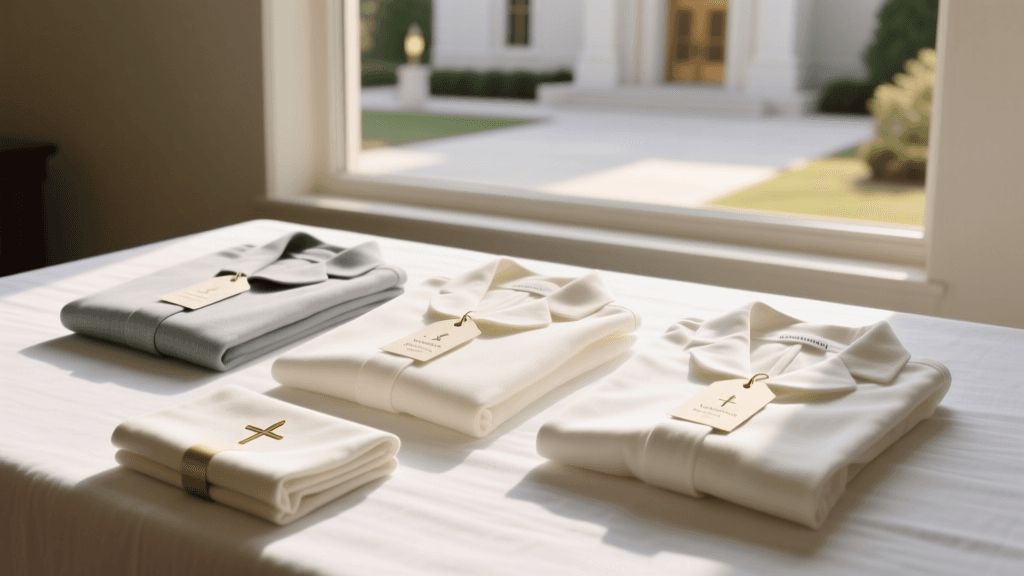
Within the rich tapestry of religious and cultural dress in the Americas, few garments carry as much personal, spiritual, and historical significance as the temple garments worn by members of The Church of Jesus Christ of Latter-day Saints (LDS). Originating in the early 19th century in upstate New York and later refined as the Saints migrated to the American West, these undergarments serve as a daily, tangible reminder of covenants made in sacred temples. While the core symbolic elements and modesty standards have remained steadfast for nearly two centuries, the textile engineering, fabric blends, and tailoring styles have undergone a massive transformation. As of 2026, the intersection of modern textile innovation and reverent tradition has resulted in a diverse catalog of garment styles designed to meet the demands of contemporary global lifestyles, extreme climates, and modern fashion trends.
Historically, early temple garments were modeled after the traditional union suits of the 1800s. They were typically crafted from heavy, unbleached cotton or wool, featuring long sleeves and long legs that extended to the wrists and ankles. While these heavy fabrics provided necessary warmth for pioneers traversing the American frontier, they were notoriously uncomfortable in humid or tropical climates. Over the decades, the Church’s distribution centers gradually introduced shorter sleeves and legs, transitioning into the mid-20th century with lighter cotton weaves. Today, in 2026, the focus is on advanced semi-synthetics, moisture-wicking microfibers, and laser-cut hems that eliminate bulk and maximize breathability, all while strictly maintaining the required modesty boundaries and sacred markings.
2026 Fabric Innovations: What’s Available Now?
The choice of material is perhaps the most critical decision for members purchasing garments today. The official Church distribution network now offers a highly specialized matrix of fabrics, each engineered for specific climates, activity levels, and sensory preferences. Understanding the textile properties of these options is essential for achieving all-day comfort.
1. Classic Cotton and Cotton Blends
For traditionalists and those with highly sensitive skin or contact dermatitis, 100% cotton or high-cotton-blend garments remain a staple. The 2026 cotton weaves are significantly softer and more refined than their predecessors, utilizing combed cotton that resists pilling. Cotton is highly breathable and naturally hypoallergenic, making it an excellent choice for everyday wear in temperate climates. However, it does retain moisture, which can make it less ideal for intense physical labor, high-humidity environments, or rigorous athletic activities.
2. Modal (Beechwood Semi-Synthetic)
Modal has arguably become the most popular fabric choice among members in recent years, and its dominance continues in 2026. Derived from the pulp of beech trees, modal is a type of rayon that is exceptionally soft, often described as feeling like a second skin. It is significantly more breathable than standard cotton, highly resistant to shrinking, and retains its vibrant whiteness wash after wash without yellowing. Modal garments drape beautifully and offer a slight, natural stretch that accommodates movement without the need for heavy spandex blends. It is the premier choice for office workers, travelers, and those seeking a luxurious, lightweight feel.
3. Microfiber and Performance Polyesters
For members living in tropical climates, working in high-heat environments, or engaging in rigorous physical activities, microfiber and performance polyester blends are the gold standard. These synthetic fabrics are engineered with advanced capillary action to wick sweat away from the body, allowing it to evaporate rapidly. The 2026 microfiber weaves are incredibly lightweight, dry in a fraction of the time it takes cotton, and are virtually wrinkle-resistant, making them perfect for frequent travelers or missionaries serving in humid regions of Latin America, Southeast Asia, or the American South.
4. Stretch and Spandex Blends
Modern fashion often demands a wider range of motion, and the introduction of elastane (spandex) blends has revolutionized the fit of temple garments. Stretch garments provide a snug, supportive feel that prevents the fabric from bunching under tailored clothing. They are particularly popular for women wearing form-fitting professional attire or men wearing slim-cut suits, as the garment moves seamlessly with the body throughout the day.
Necklines, Sleeves, and Modesty Matrices
Beyond fabric, the structural style of the garment top must accommodate the diverse outerwear trends of 2026 while strictly adhering to the Church's modesty guidelines, which require the garment to cover the midriff and provide adequate coverage around the chest and shoulders. The Church's official store offers several distinct neckline options to help members maintain their covenants while participating in modern fashion.
- Crew Neck: The most traditional and universally worn style. It sits at the base of the neck and provides maximum coverage, ideal for wearing under button-down shirts, standard t-shirts, and modest blouses.
- V-Neck: Designed to remain hidden under open-collared shirts or deeper V-neck outerwear. It offers a cooler feel around the neck while maintaining the necessary chest coverage.
- Carmen (Scoop/Boat Neck): Specifically designed for women, the Carmen neckline features a wider, lower scoop that accommodates wide-boat necks, off-the-shoulder tops, and contemporary 2026 women's fashion trends without the garment peeking out from beneath the outerwear.
- Diamond Neck: A specialized cut that offers a slightly lower front profile while maintaining structured shoulder coverage, ideal for specific blouse cuts and wrap dresses.
Sleeve lengths also vary, ranging from traditional cap sleeves to short sleeves that extend further down the bicep, ensuring that the shoulder and underarm areas remain covered even when wearing outer garments with wider armholes.
Bottom Styles: Tailoring for Modern Silhouettes
The evolution of women's and men's fashion has necessitated a broader range of garment bottom styles. In 2026, the traditional knee-length bottom is just one of many options.
- Traditional Knee-Length: The standard cut that reaches just above the knee, providing full thigh coverage and ideal for wearing under skirts, dresses, and standard trousers.
- Boxer Style (Men's): A shorter, looser cut modeled after modern men's boxer briefs, offering greater freedom of movement and comfort when wearing shorts or athletic wear.
- Capri and Shorts (Women's): For women wearing shorter skirts, culottes, or active wear, capri-length and modest shorts-style bottoms provide the required coverage without excess fabric bunching at the knees or calves.
2026 Material and Style Comparison Chart
| Material / Style | Best Use Case | Breathability | Moisture Wicking | Durability & Care |
|---|---|---|---|---|
| 100% Combed Cotton | Sensitive skin, temperate climates | High | Low (Retains moisture) | Good; may shrink slightly if machine dried on high heat |
| Modal (Beechwood) | Office wear, travel, daily comfort | Very High | Medium | Excellent; resists shrinking and pilling, wash in cold water |
| Microfiber / Poly | Athletics, tropical humidity, labor | Medium | Very High | Excellent; dries rapidly, wrinkle-resistant, highly durable |
| Stretch (Spandex Blend) | Form-fitting outerwear, active days | Medium-High | Medium | Good; avoid high heat to preserve elastane integrity |
| Carmen Neckline (Top) | Wide-boat necks, off-shoulder tops | N/A | N/A | Maintains structural integrity at the shoulder seams |
| Capri / Shorts (Bottom) | Shorter skirts, athletic wear | N/A | N/A | Laser-cut hems prevent fraying and reduce visible panty lines |
Purchasing, Sizing, and Global Distribution
Acquiring temple garments is a unique process, as they are not sold in standard retail environments. According to the Gospel Topics Essays on Temple Garments, these items are considered sacred and are distributed exclusively through official Church channels. In 2026, members can purchase garments in person at local Distribution Centers located near temples and chapels worldwide, or conveniently order them through the official online Church store.
Proper sizing is critical for both comfort and reverence. A garment that is too tight can cause chafing and degrade the fabric prematurely, while one that is too loose may bunch and create visible lines under modern, tailored clothing. The Church provides detailed, printable measuring guides online, instructing members to measure their chest, waist, and hips using a soft tailor's tape. For those experiencing weight fluctuations or pregnancy, maternity-specific cuts and transitional sizing options are available to ensure continuous comfort.
Outerwear Pairing and Modesty in 2026
Navigating modern fashion while honoring sacred covenants requires strategic pairing of outerwear and garment styles. The official temple clothing guidelines emphasize that the garment should be worn beneath modest outer clothing. In 2026, fashion trends heavily feature sheer overlays, wide-leg jumpsuits, and cut-out dresses. Members adapt by utilizing nude-toned or specialized seamless garments that remain unobtrusive beneath sheer fabrics, or by layering with modest camisoles that complement the garment's neckline. For men, the rise of ultra-lightweight summer suits and unstructured blazers pairs perfectly with microfiber garment tops, which prevent the sweat marks that traditional cotton might leave on delicate suit linings.
Care and Maintenance for Longevity
The advanced textiles used in 2026 require specific care to maintain their structural integrity and sacred markings. While older cotton garments could withstand rigorous hot-water washing and high-heat tumble drying, modern modal and microfiber blends require a gentler approach. Experts recommend washing modal and stretch garments in cold or warm water using mild, bleach-free detergents. Chlorine bleach can degrade the elastane fibers in stretch blends and cause modal fabrics to weaken over time. Furthermore, air-drying or using a low-heat tumble dry setting is highly recommended to preserve the laser-cut hems and prevent the fabric from losing its luxurious drape. By treating these sacred textiles with care, members ensure that their garments remain a comfortable, reverent, and durable companion in their daily lives.