Plains Indian Ribbon Shirts: 2026 Tribal Styles & Sourcing Guide
The Evolution of the Ribbon Shirt in 2026
The ribbon shirt stands as one of the most recognizable and culturally significant garments in Indigenous North American dress. Originating in the 19th century when European traders exchanged silk ribbons and cotton cloth for furs, the garment was masterfully adapted by Plains tribes into a profound expression of identity, artistry, and spiritual pride. As we navigate the 2026 powwow season and contemporary cultural celebrations, the ribbon shirt has evolved far beyond its trade-cloth origins. Today, it is worn at graduations, weddings, political gatherings, and intertribal powwows, serving as a vibrant testament to Indigenous resilience and innovation.
For artisans, regalia makers, and cultural enthusiasts in 2026, understanding the distinct regional variations and knowing where to source high-quality, authentic materials is paramount. The modern market presents both challenges and opportunities; while global supply chain shifts have impacted the availability of traditional French silks, new high-grade rayon alternatives and specialized Indigenous-owned textile suppliers have emerged. This guide breaks down the tribal distinctions of the Plains ribbon shirt and provides actionable, up-to-date sourcing and construction advice for the modern maker.
Regional and Tribal Variations
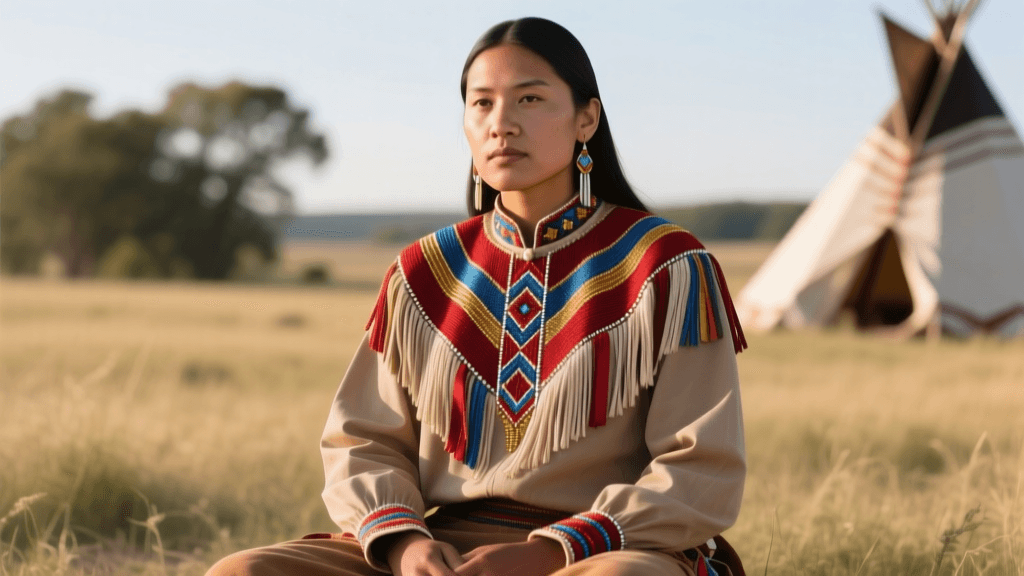
While the basic silhouette of the ribbon shirt—a loose-fitting, pullover garment with open sleeves and a ribbon-trimmed yoke—is shared across many nations, the appliqué techniques, color palettes, and structural details vary significantly by tribe and region. According to the National Museum of the American Indian, the Great Plains region showcases some of the most diverse textile adaptations in North America.
| Tribal Affiliation | Primary Fabric (2026 Standard) | Appliqué Style | Distinctive Features |
|---|---|---|---|
| Osage | Heavy Wool Blend / Broadcloth | Cut-and-sew, complex curves | Floral and geometric motifs, intricate layering, negative space utilization |
| Lakota | Cotton / Poly-Cotton Blends | Color-blocking, straight lines | Integration of beaded yoke medallions, lighter weight for summer powwows |
| Ponca | Cotton Sateen / Broadcloth | Straight ribbon drops | Distinctive drop-yoke, minimal cut-work, paired with German silver brooches |
| Comanche | Lightweight Cotton | Edge-binding and fringe | Often incorporates leather fringe at the yoke and hem, vibrant contrasting trims |
The Osage Cut-and-Sew Tradition
The Osage ribbon work tradition is widely considered the most complex in North America. Rather than simply layering ribbons on top of fabric, Osage artisans use a 'cut-and-sew' appliqué method. Layers of contrasting silk or rayon taffeta are sewn together, and the top layer is carefully cut away and folded under to reveal the color beneath. In 2026, master Osage artisans are increasingly blending traditional floral patterns with contemporary geometric abstraction, often utilizing deep jewel tones like emerald, sapphire, and amethyst against stark black or navy broadcloth.
Lakota Color-Blocking and Beadwork Integration
Lakota ribbon shirts frequently emphasize bold, horizontal color-blocking across the yoke and sleeves. Unlike the intricate cut-work of the Osage, Lakota designs often rely on the striking visual contrast of wide, solid ribbons. A major hallmark of the contemporary Lakota shirt is the integration of a fully beaded medallion or yoke piece, bridging the gap between textile arts and the region's legendary glass beadwork traditions.
Sourcing Authentic Materials in 2026
Creating a heirloom-quality ribbon shirt requires specific materials that can withstand the rigors of powwow dancing and outdoor ceremonies. Here is what you need to look for in the current 2026 market.
1. Base Fabrics
For a traditional winter or formal shirt, seek out 100% cotton broadcloth or a wool-cotton blend weighing between 4.5 oz and 6.0 oz per square yard. Avoid lightweight quilting cottons, as they lack the drape and durability required for regalia.
- Top Sourcing Pick: Denver Fabrics and Grayline Linen continue to stock heavy-weight, mercerized cotton broadcloth in over 40 colorways. Expect to pay $12 to $18 per yard in 2026.
- Indigenous-Owned Alternative: Look for specialized traders like Crazy Crow Trading Post, which curates fabrics specifically tested for Native American regalia and dance wear.
2. Ribbons and Trims
Historically, French silk taffeta was the gold standard. However, due to severe global silk shortages and price surges peaking in 2026, 100% rayon taffeta or acetate taffeta has become the accepted standard for high-end powwow regalia. Rayon mimics the crisp 'hand' and brilliant sheen of silk but offers better resistance to humidity and sweat.
- Widths: Stock up on 3/8-inch, 5/8-inch, and 1-inch widths. The 5/8-inch width is the most versatile for standard appliqué.
- Brands: Maywood Studio and Offray (specifically their double-faced taffeta lines) remain the most reliable manufacturers. Ensure the ribbon is colorfast; always test a 2-inch swatch in warm water before sewing to prevent dye bleeding onto your broadcloth.
3. Notions and Hardware
- Thread: Gutermann Mara 100 or Coats & Clark Dual Duty XP. Polyester is mandatory for its tensile strength and slight stretch, which accommodates the movement of the fabric during dancing.
- Needles: Microtex/Sharp needles, size 70/10. These pierce tightly woven broadcloth and layered taffeta without causing runs or snags.
- Adhesives: For basting complex Osage appliqué before stitching, use a water-soluble glue stick rather than pins, which can leave permanent holes in taffeta.
Step-by-Step: Constructing a Traditional Yoke
The yoke is the focal point of the ribbon shirt. Below is a foundational approach to constructing a color-blocked yoke suitable for Lakota or Ponca styles.
- Drafting the Pattern: Measure the wearer's chest and add 4 inches for ease. The yoke should drop approximately 8 to 10 inches from the base of the neck in the front, and 12 inches in the back. Draft a curved or V-shaped pattern piece on butcher paper.
- Cutting the Base: Cut your base broadcloth using the pattern. Finish the raw edges of the neckline with a 1/2-inch bias binding to prevent fraying.
- Layering the Ribbons: Starting from the bottom edge of the yoke and working upward, pin your 1-inch taffeta ribbons. Overlap each successive ribbon by 1/8 inch to hide the raw edge of the ribbon below it.
- Stitching: Using a straight stitch, sew close to the top edge of each ribbon. For a cleaner finish on the underside, many modern artisans use a narrow zigzag stitch or a blind-hem foot to secure the bottom edge of the ribbon simultaneously.
- Sleeve Integration: The sleeves are typically cut as a single, wide rectangle that folds over the shoulder. Apply vertical ribbon drops along the outer seam of the sleeve, matching the color sequence of the yoke.
Authenticity and Ethical Purchasing
If you are not making the shirt yourself and wish to purchase one, it is vital to support Indigenous artisans directly. The Indian Arts and Crafts Act makes it illegal to misrepresent goods as Native American-made. When shopping online or at powwows in 2026, always verify the artisan's tribal enrollment or affiliation. The Indian Arts and Crafts Board provides excellent resources and directories for finding verified Native artists and cooperatives. Expect to pay between $250 and $600 for a custom, hand-sewn ribbon shirt, reflecting the dozens of hours of meticulous appliqué work and the rising cost of premium textiles.
Caring for Heirloom Regalia
A well-made ribbon shirt is an investment meant to be passed down through generations. Proper care in 2026 involves moving away from harsh chemical dry cleaning, which can degrade the finishes on modern rayon taffetas.
- Washing: Hand wash in cold water using a pH-neutral textile detergent. Never wring or twist the garment; instead, roll it in a clean cotton towel to absorb excess moisture and lay it flat to dry.
- Ironing: Always use a pressing cloth and a low-heat steam setting. Direct heat will melt synthetic ribbons and scorch broadcloth.
- Storage: Store the shirt flat or on a wide, padded wooden hanger. Wrap the garment in unbuffered, acid-free archival tissue paper to prevent the dyes from migrating between the contrasting ribbons and the base fabric over time.
Conclusion
The Plains Indian ribbon shirt is far more than a garment; it is a living, breathing archive of Indigenous history and a canvas for contemporary artistic expression. By understanding the distinct tribal variations—from the complex cut-work of the Osage to the bold color-blocking of the Lakota—and by sourcing high-quality, durable materials, makers and buyers alike can ensure these traditions continue to thrive on the powwow grounds and in communities throughout 2026 and beyond.