Mormon Temple Garments 2026: Complete History & Style Guide
Understanding LDS Temple Garments in 2026
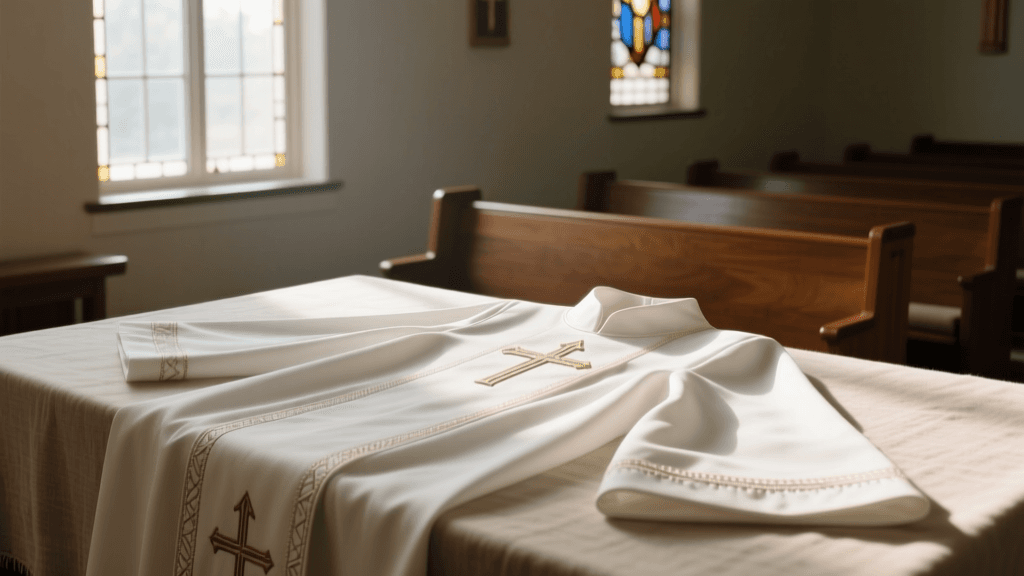
For members of The Church of Jesus Christ of Latter-day Saints, the temple garment is far more than a simple article of clothing; it is a profound, sacred symbol of faith, covenants, and personal devotion. Often referred to in broader cultural contexts as 'Mormon garments' or 'temple clothes,' these undergarments are worn day and night by endowed members of the faith. As of 2026, with the global membership of the Church continuing to expand across diverse climates and cultures, the design, textile engineering, and accessibility of these garments have evolved significantly while maintaining their core spiritual purpose.
This comprehensive guide explores the rich history of the LDS temple garment, its spiritual significance, the modern styles and fabric technologies available in 2026, and practical guidelines for purchasing and caring for these sacred items. Whether you are a researcher of American religious textile traditions, a cultural historian, or a member seeking to understand the latest 2026 catalog options, this guide provides an in-depth look at this unique religious apparel.
The Historical Evolution of Sacred Clothing
The origins of the temple garment trace back to the early 1840s in Nauvoo, Illinois. When Joseph Smith, the founding prophet of the Latter-day Saint movement, introduced the temple endowment ceremony in 1842, he also introduced the concept of sacred underclothing. The earliest garments were one-piece, resembling the traditional 'union suit' underwear of the 19th century. They featured long sleeves that extended to the wrists and long legs that reached the ankles. Woven or embroidered into the fabric were specific marks—the compass, the square, the navel mark, and the knee mark—which served as visual reminders of the covenants made during the temple ceremony.
As the 20th century progressed and global fashion norms shifted, the Church leadership recognized the need for practical adaptations that would allow members to participate fully in modern society while honoring their covenants. In 1923, the First Presidency approved modifications to the garment design, allowing for shorter sleeves and shorter legs, as well as the removal of the collar. This was a monumental shift in the garment's history, reflecting a balance between sacred tradition and modern practicality.
By the mid-20th century, the one-piece union suit was largely phased out in favor of the two-piece design (a separate top and bottom) that is standard today. The 1970s and 1980s saw the introduction of synthetic blends to improve durability and ease of care. Today, in 2026, the Church's distribution system offers a highly specialized array of garments tailored to everything from extreme tropical heat to rigorous athletic activities, showcasing a remarkable intersection of religious tradition and modern textile science.
Spiritual Significance and Covenants
To understand the garment, one must understand its purpose. According to the Church's official Gospel Topics essay on Temple Garments, the garment serves as a personal, private reminder of the covenants made in the temple. It is not viewed as magical armor or a talisman that provides physical protection; rather, it offers spiritual protection by helping the wearer maintain a mindset of modesty, purity, and devotion to God.
The marks on the garment are deeply symbolic, drawing upon ancient scriptural traditions and Masonic influences that were familiar to early Church members. They represent concepts such as truth, justice, and the eternal nature of the soul. For the wearer, the physical sensation of the garment against the skin serves as a constant, tactile reminder of their commitments to live a righteous life and serve others.
2026 Garment Styles: Tops and Bottoms
The 2026 garment catalog reflects years of feedback from a diverse, global membership. The Church now offers a wide variety of cuts to accommodate different outerwear styles, body types, and personal comfort preferences. All styles maintain the required coverage and include the sacred marks.
Top Styles
- Crew Neck: The traditional, classic cut that sits at the base of the neck. Ideal for wearing under standard t-shirts and button-down shirts.
- V-Neck: Designed to remain hidden under unbuttoned collared shirts or lower-cut blouses.
- Scoop Neck: A wider, deeper neckline primarily designed for women, allowing the garment to be worn discreetly under modern necklines.
- Cap Sleeve: Features a slightly extended shoulder seam, providing modest coverage while remaining cool in warmer weather.
- Sleeveless / Tank: Available for both men and women, this style is essential for wearing under sleeveless dresses or athletic wear while maintaining the required torso coverage.
Bottom Styles
- Classic Length: Falls to the upper thigh, providing standard coverage for everyday wear.
- Knee-Length: Extends to the knee, preferred by those wearing longer skirts, dresses, or those who desire additional modesty and thigh-chafing prevention.
- Mid-Thigh: A slightly shorter option designed for wearing under modern shorts or athletic wear.
Fabric Technologies and 2026 Comparison Chart
One of the most significant advancements in recent years has been the expansion of fabric options. In 2026, members can choose from several specialized materials designed to meet the demands of different climates and lifestyles. The Church's textile partners have developed fabrics that wick moisture, resist shrinking, and provide superior stretch without compromising the modesty or durability required of the garment.
| Fabric Type | Best For | Key Features (2026 Specs) | Estimated Price (Per Piece) |
|---|---|---|---|
| Traditional Cotton | Everyday wear, sensitive skin | 100% combed cotton, highly breathable, classic feel, requires careful drying to prevent shrinkage. | $8.50 - $9.50 |
| Modal Blend | Daily wear, professional settings | Ultra-soft, drapes elegantly, highly resistant to shrinking and fading, retains shape after repeated washing. | $10.00 - $11.50 |
| Cooling Mesh | Tropical climates, summer heat | Micro-mesh synthetic blend, exceptional moisture-wicking, rapid dry time, lightweight and airy. | $11.00 - $12.50 |
| Stretch Active | Athletics, physical labor | Spandex-infused blend, four-way stretch, anti-odor treatment, reinforced seams for high-mobility. | $12.00 - $13.50 |
Specialty Garments for Diverse Needs
The 2026 lineup also includes specialized garments that were not widely available in previous decades. Maternity garments feature expandable, supportive panels that accommodate a growing belly while maintaining the required coverage and placement of the marks. Military-specification garments are treated to be flame-resistant and dyed in approved sand or camouflage tones to comply with armed forces uniform regulations. Additionally, medical-adaptive garments feature strategic openings and softer seams for members recovering from surgeries or managing chronic physical conditions.
Purchasing Guidelines and Distribution
Purchasing temple garments is restricted to members of The Church of Jesus Christ of Latter-day Saints who have received their temple endowment. This policy is strictly enforced to maintain the sacred and private nature of the clothing. In 2026, the primary method of acquisition is through the official Church Distribution online store or via physical Distribution Centers located adjacent to temples and major chapels worldwide.
Members log into their official Church account, which verifies their endowment status, allowing them to browse the full catalog, select their preferred styles and fabrics, and have them shipped directly to their homes. Local bishops and Relief Society presidents also maintain a confidential fund to assist members who may face financial hardship in purchasing their garments, ensuring that economic status is never a barrier to keeping covenants.
Care, Maintenance, and Respectful Disposal
Caring for temple garments involves both practical laundry considerations and spiritual respect. The 2026 fabric blends are generally machine washable, but members are advised to use cold water and mild detergents to preserve the integrity of the marks and the elasticity of the modern stretch fabrics. Tumble drying on low heat is recommended, particularly for the modal and cotton blends, to prevent warping.
When a garment becomes worn, torn, or unusable, it is not disposed of in the same manner as secular clothing. The Church handbook provides specific instructions for respectful disposal. Members are instructed to carefully cut out the sacred marks and destroy them, ensuring they cannot be recognized or mocked. The remaining fabric can then be discarded in the regular trash or repurposed as cleaning rags. This practice underscores the reverence members hold for the symbols associated with their temple covenants.
Conclusion
The Mormon temple garment represents a fascinating intersection of 19th-century American religious history and 21st-century global textile innovation. As of 2026, the continued refinement of styles, fabrics, and specialized fits demonstrates the Church's commitment to supporting its diverse, worldwide membership. For cultural historians and textile enthusiasts, the evolution of the LDS garment offers a unique lens through which to view how traditional religious practices adapt to the practical demands of modern life while fiercely guarding their sacred core.