Mormon Temple Garments Guide 2026: History & Styles
Introduction to Latter-day Saint Temple Garments
For endowed members of The Church of Jesus Christ of Latter-day Saints, temple garments represent a deeply personal and sacred commitment. Often referred to colloquially as "Mormon garments," these undergarments serve as a constant, physical reminder of the covenants made within sacred temples. As we navigate 2026, the Church has continued to refine the accessibility, comfort, and global distribution of these garments, ensuring that members from diverse climates and lifestyles can honor their commitments with dignity and ease.
This comprehensive guide explores the rich history, theological significance, modern fabric technologies, and practical purchasing advice for temple garments in 2026. Whether you are a newly endowed member preparing to purchase your first set or a lifelong member looking to understand the latest fabric updates, this resource provides actionable insights tailored to the modern Latter-day Saint experience.
Historical Evolution: From the 1840s to 2026
The origins of the temple garment trace back to May 1842 in Nauvoo, Illinois, when Joseph Smith introduced the temple endowment to a small group of early Church leaders. According to the official Gospel Topics essay on Temple Garments, the initial garments were one-piece, full-length undergarments that resembled the union suits common in the 19th century. They featured specific woven markings that held symbolic meaning tied to biblical and Abrahamic traditions.
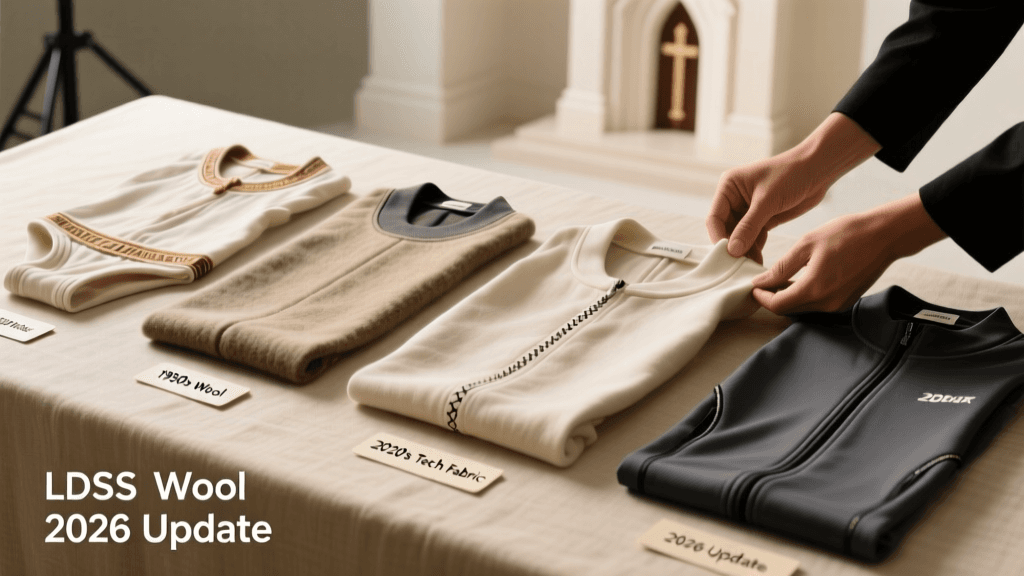
Over the decades, as global fashion and textile manufacturing evolved, the Church adapted the garment's design to maintain its sacred symbolism while improving daily wearability. In the mid-20th century, the Church transitioned from the one-piece design to the modern two-piece style (a separate top and bottom), which remains the standard today. By 2026, the focus has shifted heavily toward textile innovation, offering specialized fabrics that accommodate extreme heat, high humidity, athletic lifestyles, and maternity needs, all while strictly preserving the required modesty lines and sacred marks.
Theological Significance and Symbolism
Temple garments are not considered magical or protective in a physical sense; rather, their protection is spiritual. They serve as a shield against temptation and a reminder of the wearer's dedication to living a Christ-centered life. The Church's General Handbook emphasizes that garments should be worn day and night throughout a member's life, serving as a private, personal expression of faith.
"The garment of the holy priesthood reminds the wearer of the covenants made in the temple, is a protection against temptation and evil, and is an outward expression of an inward commitment to follow the Savior Jesus Christ." — General Handbook, Section 38.5.5
2026 Fabric Guide: Choosing the Right Material
The Church's distribution centers and online store offer a variety of fabrics to suit different environments and personal preferences. Selecting the right fabric is crucial for comfort, especially during summer months or intense physical activity. Here is a breakdown of the primary fabric options available in 2026:
1. Classic Cotton
The traditional choice, 100% cotton garments are highly breathable, absorbent, and durable. They are ideal for temperate climates and members who prefer natural fibers. However, pure cotton can retain moisture during heavy exercise, making it less ideal for intense athletic endeavors.
2. Stretch Mesh
Designed for hot, humid climates and active lifestyles, stretch mesh garments are lightweight and feature moisture-wicking properties. The open-weave construction allows for maximum airflow, making them a popular choice for members living in tropical regions or those who engage in frequent cardiovascular exercise.
3. Modal and Microfiber Blends
Modal fabrics offer a silky, soft drape that resists shrinking and fading. These blends are exceptionally comfortable against the skin and are favored by members who prioritize a smooth feel under tailored or professional clothing. Microfiber blends also offer excellent temperature regulation and quick-drying capabilities.
4. Maternity and Specialized Fits
In 2026, the Church continues to expand its maternity line, offering tops with empire waists and stretch panels that accommodate a growing bump without compromising the required modesty lines. Specialized fits for wheelchair users and individuals with specific mobility needs are also available through custom orders at local distribution centers.
Fabric Comparison Chart
| Fabric Type | Best Use Case | Moisture Management | Durability |
|---|---|---|---|
| Classic Cotton | Everyday wear, temperate climates | Moderate (Absorbs moisture) | High |
| Stretch Mesh | Hot climates, athletics, high humidity | Excellent (Wicks and dries fast) | Moderate |
| Modal Blend | Professional wear, sensitive skin | Good (Breathable, smooth) | High |
| Microfiber | Travel, variable temperatures | Excellent (Temperature regulating) | High |
Purchasing, Sizing, and Global Distribution
Purchasing temple garments is restricted to endowed members of the Church. In 2026, the most convenient method for most members is through the Official Church Store online portal. Members can log in with their Church Account, which verifies their endowment status, allowing them to browse the full catalog of styles, fabrics, and sizes.
Getting the Right Fit
Proper fit is essential for both comfort and the preservation of the garment's modesty lines. The neckline should sit comfortably at the base of the throat, and the sleeves should reach the middle of the bicep. The bottoms should extend to the knee. When ordering online, use a soft measuring tape to measure your chest, waist, and hips. If you fall between sizes, it is generally recommended to size up for the tops to ensure the shoulder seams do not pull, which can distort the sacred marks.
Local Distribution Centers
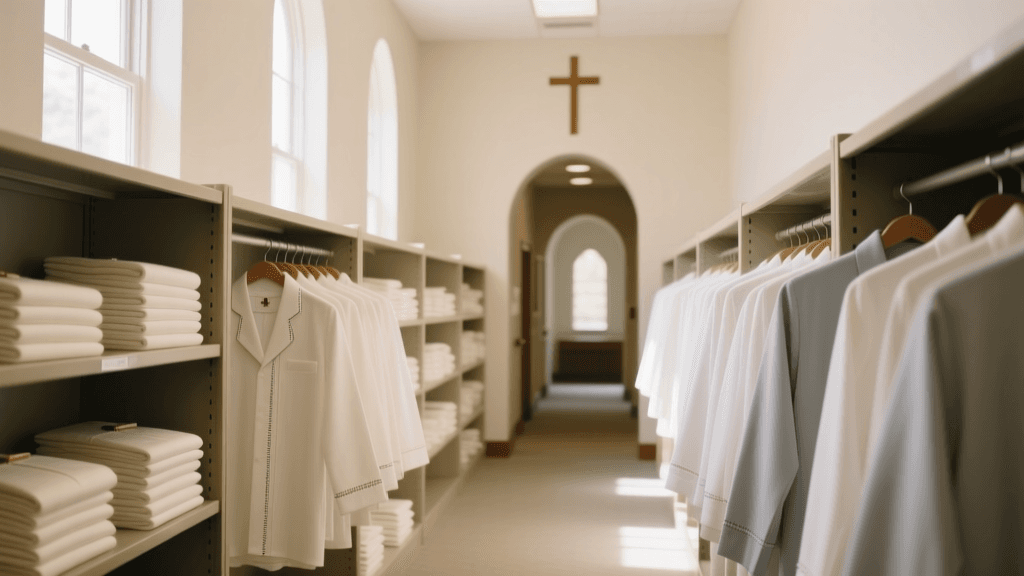
For members who prefer to feel the fabrics before buying, local Church Distribution Centers remain a vital resource. In 2026, many distribution centers have updated their inventory systems to allow members to reserve specific sizes and fabrics online for in-store pickup, reducing the frustration of out-of-stock items. International members benefit from regional distribution hubs that have significantly reduced shipping times and customs delays compared to previous decades.
Care, Maintenance, and Respectful Disposal
Proper care extends the life of the garments and maintains the integrity of the fabric. Most modern garments, including modal and microfiber blends, are machine washable. It is recommended to wash them in cold or warm water with like colors. Avoid using bleach, as it degrades the elastic fibers and can damage the sacred marks. Tumble dry on low heat or line dry to prevent shrinkage, particularly with cotton blends.
Respectful Disposal
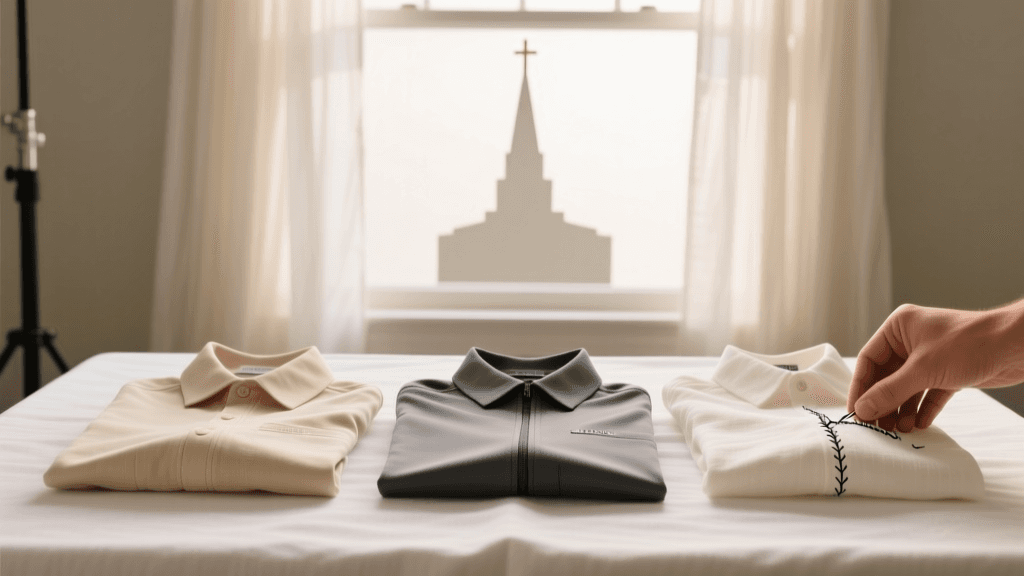
When garments become worn, stretched out, or damaged beyond repair, they must be disposed of respectfully. According to Church guidelines, members should cut out the sacred marks from the garment before discarding it. The marks should be destroyed (e.g., cut into pieces) and disposed of in the trash. The remaining fabric, once the marks are removed, can be discarded or repurposed as cleaning rags, as it no longer holds sacred significance. This practice ensures that the symbols are never treated with disrespect or discarded in a way that could be seen as irreverent.
Modesty and Outerwear in 2026
Wearing temple garments inherently influences a member's approach to outerwear and fashion. The requirement that garments be covered by outer clothing dictates certain modesty standards. In 2026, mainstream fashion trends have increasingly embraced modest silhouettes, making it easier for members to find stylish, professional, and casual clothing that accommodates their garments. High-necked blouses, midi skirts, and tailored shorts that reach the knee are widely available in major retail stores, allowing members to express their personal style while honoring their covenants.
Ultimately, the temple garment is a profoundly intimate aspect of the Latter-day Saint faith. By understanding the history, selecting the appropriate modern fabrics, and caring for them properly, members can ensure that this sacred clothing continues to serve as a meaningful and comfortable reminder of their spiritual journey throughout 2026 and beyond.