Mormon Temple Garments Guide 2026: History & Modern Styles
Understanding LDS Temple Garments
For members of The Church of Jesus Christ of Latter-day Saints, temple garments represent a deeply sacred and personal commitment. Often referred to simply as 'garments' by church members, these undergarments are worn by adult members who have participated in the sacred ordinances of the temple. Unlike ordinary clothing, temple garments serve as a constant, physical reminder of the covenants made with God. They are considered a form of spiritual armor, providing a shield against temptation and a daily reminder of the wearer's dedication to living a Christ-centered life.
Despite widespread curiosity and occasional misconceptions in popular culture, the garments are not considered 'magic' or mystical objects. Instead, their power lies in what they represent: a personal promise to live righteously and follow the teachings of Jesus Christ. According to the True to the Faith manual published by the Church, the garment 'provides a constant reminder of the covenants you have made' and 'fosters modesty and commitment to the Savior.' As we navigate 2026, the Church continues to refine the materials, cuts, and global availability of these sacred items to better serve a diverse, worldwide membership.
The Historical Evolution of Sacred Clothing
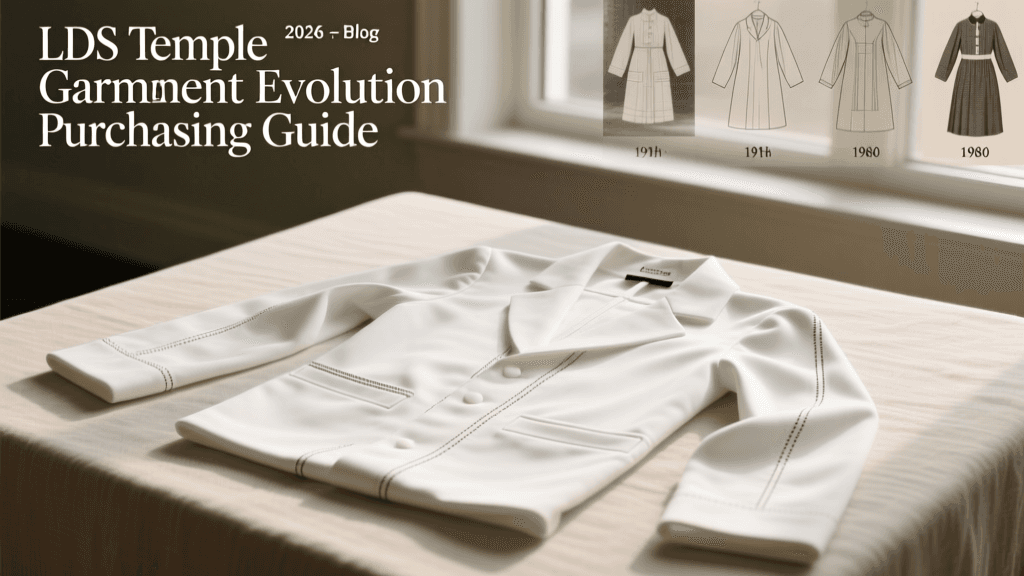
The origins of the temple garment trace back to Nauvoo, Illinois, in 1842, when the Prophet Joseph Smith introduced the temple endowment to a small group of early Church leaders. The earliest garments were full-body, one-piece undergarments, similar to the 'union suits' commonly worn by men and women in the 19th century. These early designs extended to the wrists and ankles, reflecting the modesty standards and practical clothing norms of the era.
According to historical archives detailed in the Encyclopedia of Mormonism, the garment has undergone several practical modifications over the past two centuries to adapt to changing cultural norms, climates, and clothing styles. In the 1920s and 1930s, the Church authorized the transition from the one-piece union suit to a two-piece design (a separate top and bottom), which offered greater comfort and practicality for modern daily life. Throughout the mid-to-late 20th century, the introduction of synthetic blends allowed for easier care and greater durability.
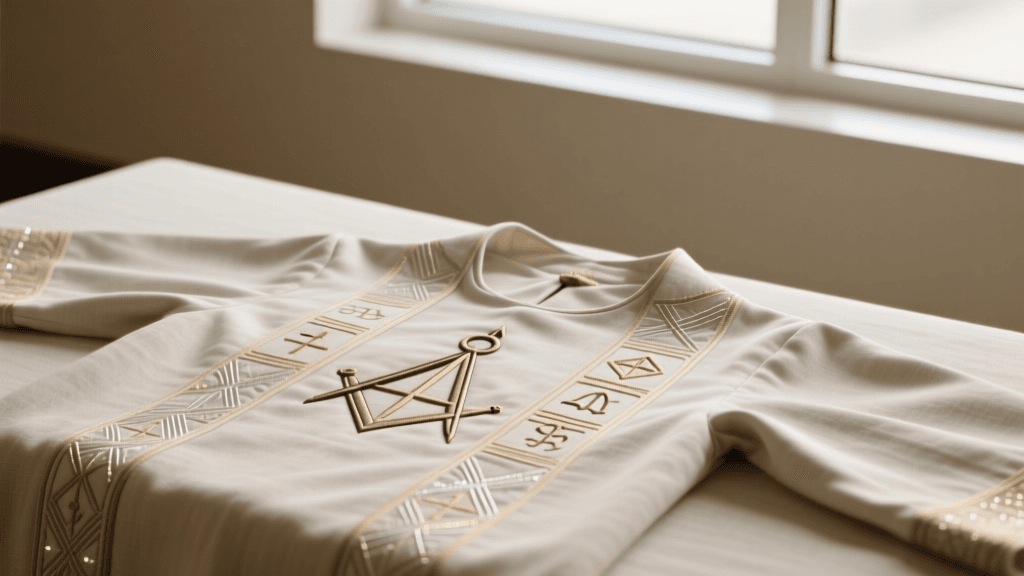
Historically, the garments featured specific woven marks—symbols such as the square, the compass, the V-shape, and the navel and knee marks. These symbols were originally stitched directly into the fabric. Today, while the symbolic markings remain an integral part of the garment's design, they are subtly integrated into the modern manufacturing process, maintaining their sacred significance while allowing for mass production and improved fabric comfort.
Modern Garment Styles and Options in 2026
As of 2026, the Church offers a highly diverse range of garment styles designed to accommodate different body types, climates, and modesty requirements. The emphasis in recent years has been on inclusivity, ensuring that all endowed members can find garments that fit comfortably under their everyday wardrobe.
Women's Garment Options
The women's garment catalog has expanded significantly. In 2026, members can choose from a variety of neckline and sleeve options, including cap-sleeve, scoop-neck, and crew-neck tops. One of the most celebrated additions in recent years, which remains highly popular in 2026, is the women's one-piece garment. Designed to provide a smooth silhouette under modern clothing and offer additional comfort, the one-piece option has been widely embraced. Additionally, the Church offers specialized maternity garments, featuring stretchy, accommodating panels that provide comfort and support during pregnancy without compromising the sacred markings or modesty requirements.
Men's Garment Options
Men's styles continue to offer versatility for both professional and casual settings. The 2026 catalog features crew-neck and V-neck tops, allowing members to wear open-collared dress shirts without the garment showing. Bottom styles include the traditional boxer cut, the longer bermuda cut (which extends to the mid-thigh for modesty when wearing shorts), and athletic cuts designed for active lifestyles.
2026 Fabric Comparison Guide
Choosing the right fabric is essential for comfort, particularly given the global nature of the Church and the varying climates its members inhabit. Below is a comparison of the primary fabrics available through the Church Distribution network in 2026.
| Fabric Type | Material Composition | Best Use Case | Key Features |
|---|---|---|---|
| Classic Cotton | 100% Cotton | Sensitive skin, cooler climates, everyday wear. | Highly breathable, soft, natural fiber; requires tumble drying to prevent excessive shrinkage. |
| Cotton Blend | Cotton/Polyester Mix | All-season wear, frequent travelers. | Durable, resists wrinkling, maintains shape better than pure cotton after repeated washing. |
| Stretch Nylon | Nylon/Spandex Blend | Form-fitting clothing, professional attire. | Smooth texture, lightweight, offers a sleek silhouette under tailored suits or dresses. |
| Modest Mesh | Polyester Mesh | Hot, humid climates, intense physical activity. | Maximum breathability, moisture-wicking, dries rapidly; ideal for summer months or tropical regions. |
How to Purchase Temple Garments
Purchasing temple garments is a privilege reserved for endowed members of The Church of Jesus Christ of Latter-day Saints who hold a current, valid temple recommend. The Church strictly controls the distribution of these sacred items to ensure they are treated with the appropriate reverence.
In 2026, the primary method for acquiring garments is through the official Church Distribution Services online store. Members can log in using their Church Account, which automatically verifies their temple recommend status in the membership database. The online portal allows users to browse the full catalog, select specific sizes, cuts, and fabrics, and have them shipped directly to their homes or to a local distribution center.
For those who prefer to try on garments for sizing, physical Church Distribution centers are located adjacent to many temples worldwide. These centers employ trained staff who can assist with fittings, ensuring that the garments fit properly—snug enough to remain in place, but loose enough to be comfortable. Global shipping networks have vastly improved by 2026, meaning members in remote areas of South America, Africa, and Asia can receive their orders in a fraction of the time it took in previous decades.
Care, Maintenance, and Respectful Retirement
Because temple garments are sacred, members are counseled to treat them with respect, even in how they are laundered and maintained. Garments should be washed separately from soiled outer clothing, using mild detergents. Bleach and harsh stain removers are generally discouraged, particularly on mesh and nylon fabrics, as they can degrade the fibers and damage the sacred markings.
When a garment becomes worn, torn, or stretched beyond repair, it must be retired respectfully. Members are instructed to cut the garment into pieces, specifically ensuring that any sacred markings are completely destroyed or removed, so that the fabric cannot be recognized as a temple garment. The remaining, unrecognizable fabric can then be disposed of in the regular trash. Under no circumstances should worn temple garments be donated to thrift stores, charitable organizations, or given to non-endowed individuals.
Conclusion
The evolution of LDS temple garments from the heavy union suits of the 1840s to the breathable, inclusive, and diverse options available in 2026 reflects a balance between maintaining sacred traditions and adapting to the practical needs of a modern, global membership. For the millions of Latter-day Saints who wear them, these garments are far more than mere clothing; they are a deeply personal, daily anchor to their faith, their covenants, and their commitment to Jesus Christ. By understanding the history, respecting the sacred nature of the symbols, and utilizing the modern purchasing and care guidelines, members can ensure their garments serve as a meaningful and comfortable shield in their daily lives.