LDS Garment Styles & Materials: 2026 Modern Updates
Introduction to Modern Temple Garments in 2026
For endowed members of The Church of Jesus Christ of Latter-day Saints, the temple garment is a deeply sacred item of clothing that serves as a personal, physical reminder of covenants made with God. While the spiritual significance and the sacred marks woven into the fabric remain entirely unchanged, the physical construction, materials, and styles of these garments have evolved dramatically over the decades. As we navigate through 2026, the intersection of faith, modesty, and modern textile technology has resulted in an unprecedented variety of options designed to accommodate diverse climates, active lifestyles, and personal comfort needs.
Gone are the days when members were restricted to a single, heavy cotton option. Today, the Church Distribution system offers a highly engineered catalog of garments that leverage modern fabric science. Whether you are living in a humid tropical climate, working in a corporate office, or engaging in high-intensity athletics, the 2026 garment lineup provides tailored solutions without compromising the sacred nature of the clothing. This comprehensive guide explores the latest materials, style variations, and modern updates available to endowed members this year.
The Evolution: From Union Suits to Performance Textiles
To appreciate the modern updates of 2026, it is helpful to understand the historical trajectory of temple clothing. In the 19th and early 20th centuries, garments were primarily one-piece union suits made from heavy cotton, flannel, or wool. They were designed for an era without central heating or air conditioning, prioritizing warmth and full-body coverage. As the 20th century progressed, the Church introduced the two-piece garment, separating the top and bottom to provide greater mobility and comfort.
According to the Gospel Topics Essays on Temple Garments, the fundamental purpose of the garment is to serve as a shield and a reminder of covenants. While the spiritual shield remains constant, the physical materials have adapted to the modern world. The shift toward synthetic blends, modal fabrics, and moisture-wicking technologies over the last decade has culminated in the highly versatile 2026 catalog, ensuring that members can wear their garments comfortably in virtually any environment on Earth.
2026 Official Fabric Options: A Deep Dive
The official Church Distribution Store currently categorizes its garment materials into several distinct fabric families. Each is engineered for specific use cases, balancing breathability, durability, and opacity.
1. 100% Cotton (The Traditionalist's Choice)
For members who prefer natural fibers and have sensitive skin, 100% cotton remains a staple in 2026. This fabric is highly breathable, hypoallergenic, and soft against the skin. However, it lacks the structural memory of synthetic blends, meaning it can stretch out over the course of the day and takes longer to dry after washing or heavy sweating. It remains the top choice for cooler climates and members who prioritize natural textiles over performance features.
2. Cotton/Spandex Stretch Blend
The Cotton Stretch blend (typically 95% cotton and 5% spandex) has become one of the most popular choices for everyday wear. The addition of spandex provides a gentle, supportive compression that prevents the garment from sagging or losing its shape. This blend moves seamlessly with the body, making it ideal for members who are on their feet all day or who prefer a more tailored, modern fit beneath contemporary clothing.
3. Performance and Moisture-Wicking Blends
Designed for athletes, manual laborers, and those living in hot, humid regions, the Performance line utilizes advanced polyester and spandex microfibers. In 2026, these fabrics feature enhanced capillary action that pulls sweat away from the skin to the exterior of the fabric where it evaporates rapidly. They are incredibly lightweight, resist wrinkling, and dry in a fraction of the time it takes cotton, making them perfect for travel and outdoor work.
4. Lightweight Mesh and Cooling Fabrics
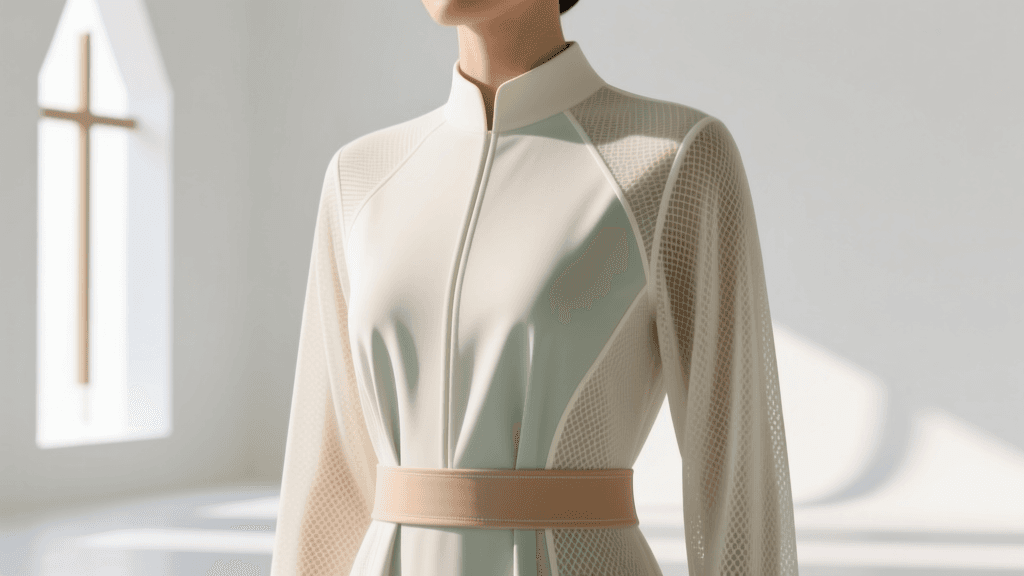
For extreme heat, the Mesh and Cooling lines offer maximum airflow. Constructed with a micro-perforated knit, these garments are exceptionally sheer and lightweight. While they provide the required coverage, their primary function is thermoregulation. They are frequently worn under summer dresses, lightweight linen suits, or in tropical environments where traditional cotton would become unbearably heavy with perspiration.
Comprehensive Material Comparison Chart (2026)
To help you select the right fabric for your lifestyle, refer to the comparison table below detailing the primary characteristics of each official material option available this year.
| Fabric Type | Primary Composition | Best Climate / Use Case | Drying Time | Durability & Shape Retention |
|---|---|---|---|---|
| 100% Cotton | Natural Cotton | Cool climates, sensitive skin | Slow | Moderate (may stretch) |
| Cotton Stretch | 95% Cotton / 5% Spandex | Temperate, everyday office wear | Moderate | High (excellent retention) |
| Performance | Polyester / Spandex Blend | Active lifestyles, humid weather | Fast | Very High |
| Mesh / Cooling | Synthetic Micro-Knit | Extreme heat, tropical regions | Very Fast | High (lightweight structure) |
Exploring 2026 Neckline and Sleeve Variations
Beyond the fabric, the cut of the garment top has been refined to accommodate modern fashion trends while maintaining the required modesty standards. In 2026, members can choose from several neckline and sleeve configurations to ensure their garments remain hidden beneath their outer clothing.
- Crew Neck: The classic, traditional cut. It sits at the base of the neck and is ideal for wearing under button-down shirts, sweaters, and high-collared blouses.
- V-Neck: Designed to remain invisible under open-collared shirts and deeper necklines. The V-neck has become increasingly popular in professional settings where top buttons are left undone.
- Scoop Neck: A wider, rounded cut that sits lower on the collarbone, perfect for wearing under boat-neck tops, wide-scoop blouses, or casual t-shirts.
- Sleeve Options: Cap sleeves offer maximum breathability for summer months, while standard short sleeves provide a bit more coverage. Long sleeves are available in both cotton and performance blends for winter layering or sun protection during outdoor activities.
Bottom Styles: Finding the Right Fit for Your Lifestyle
The bottom half of the garment has seen equally important innovations, particularly for women. The Church now offers a variety of lengths and cuts to accommodate different wardrobes and body types.
- Standard Brief: The classic cut that sits at the natural waist and provides full coverage across the hip and upper thigh.
- Knee-Length: Extending down to the mid-thigh or knee, this style is favored by members who wear knee-length skirts or dresses, ensuring that the garment remains the outermost layer of modesty on the leg.
- Carmen Style: A longer, boxer-brief style for women that provides excellent coverage and prevents chafing, particularly popular for those who wear pants or live in active, outdoor environments.
- Boy Short: A modern, lower-rise cut that sits comfortably on the hips, designed to eliminate visible panty lines and provide a smooth silhouette under tailored trousers and pencil skirts.
Third-Party Innovations and Maternity Options
While the Church Distribution center provides the official marks and base garments, 2026 has seen a flourishing market of community-driven solutions for specialized needs. As reported by the Deseret News in their historical retrospectives on Latter-day Saint culture, the marketplace surrounding modesty and temple clothing has grown significantly. Today, specialized modest apparel companies offer authorized maternity panels, nursing-friendly adaptations, and specialized athletic compression wear that integrate seamlessly with official garments. These third-party innovations ensure that pregnant members, nursing mothers, and competitive athletes can maintain their covenants comfortably without sacrificing physical support or mobility.
Proper Care for Modern Garment Materials
The introduction of advanced synthetic blends requires a shift in laundry habits. To preserve the moisture-wicking properties of the 2026 Performance and Mesh lines, members should avoid using fabric softeners or dryer sheets. These products coat the microfibers and block the capillary action that draws sweat away from the skin. Instead, wash performance garments in cold water with a gentle, sport-specific detergent, and tumble dry on low or hang dry. Cotton and stretch blends can be washed in warm water and tumble dried, though removing them promptly from the dryer will prevent unnecessary wrinkling and extend the lifespan of the spandex fibers.
Conclusion
The landscape of LDS temple garments in 2026 reflects a beautiful harmony between eternal covenants and modern innovation. By offering a diverse array of materials—from traditional 100% cotton to cutting-edge performance meshes—and a wide variety of cuts tailored to contemporary fashion, the Church ensures that endowed members can honor their sacred promises in complete comfort. Whether you are navigating a humid summer, a rigorous workout, or a formal corporate environment, today's garment options provide a personalized, protective shield that moves seamlessly with your modern life.