LDS Temple Garments 2026: Religious Meaning and Indigenous Culture

The Sacred Thread: Religious Meaning of LDS Temple Garments
For millions of members of The Church of Jesus Christ of Latter-day Saints across the Americas, the temple garment is far more than a simple undergarment; it is a profound, sacred symbol of faith, commitment, and spiritual identity. Often referred to in secular media as "Mormon undergarments," these garments hold a deeply revered place in the daily lives of endowed members. As we navigate the cultural and textile landscape of 2026, understanding the religious significance of the temple garment requires looking beyond the fabric to the covenants it represents.
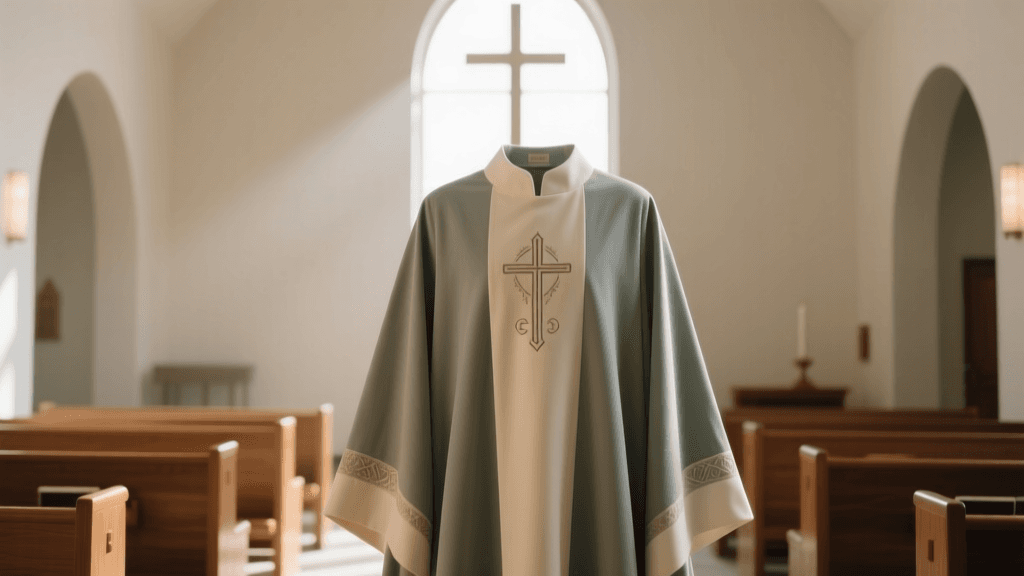
According to the Gospel Topics Essay on Temple Garments, the practice of wearing special underclothing is rooted in ancient traditions, echoing the sacred vestments worn by priests in the Old Testament. For modern Latter-day Saints, the garment is introduced during the temple endowment ceremony. It serves as a physical reminder of the covenants made with God, offering spiritual protection and encouraging modesty. The subtle marks woven or embroidered into the fabric are rich in allegory, pointing the wearer's mind toward divine principles, the sacrifice of Jesus Christ, and the eternal nature of the human soul.
Harmonizing Covenants and Ancestral Heritage: Indigenous Latter-day Saints
The Americas are home to a vibrant, diverse population of Indigenous Latter-day Saints. From the Diné (Navajo) Nation in the American Southwest to the Maya communities of Guatemala and the Quechua populations of the Andes, Indigenous members face unique cultural intersections when balancing their sacred temple covenants with their ancestral textile traditions. In 2026, the dialogue between LDS modesty standards and Indigenous ceremonial dress has evolved into a beautiful expression of dual identity.
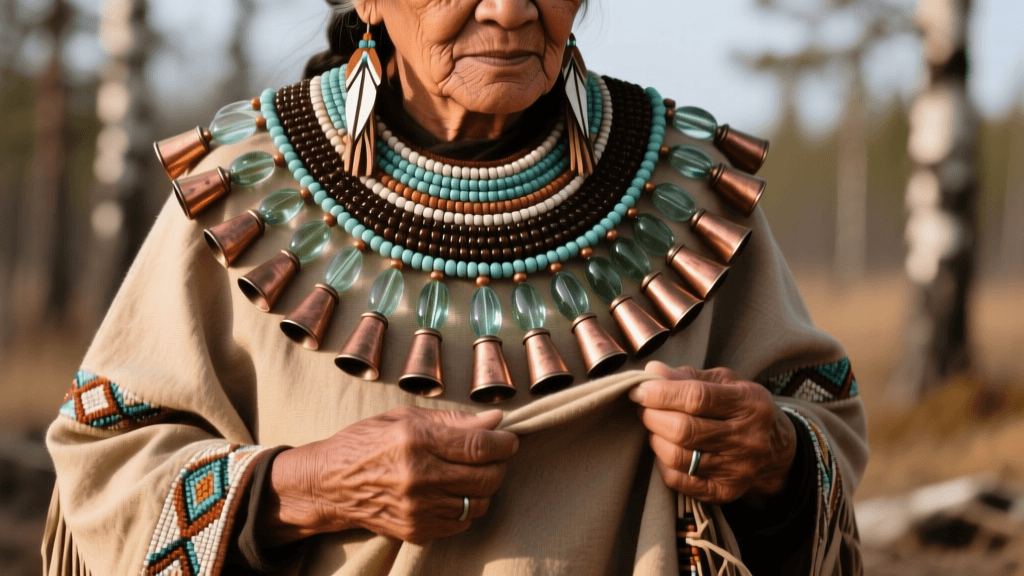
For many Native American tribes, traditional regalia is deeply spiritual, with specific garments designed for powwows, seasonal dances, and coming-of-age ceremonies. Historically, some traditional Indigenous garments feature open necklines, sleeveless designs, or sheer fabrics suited for hot climates and vigorous dancing. Indigenous LDS women and men have become masterful textile innovators, adapting their regalia to honor both their heritage and their temple covenants.
Among the Diné, the traditional velvet blouse and tiered skirt are iconic. In 2026, Diné LDS seamstresses frequently design custom velvet tops with higher jewel necklines and longer, fitted sleeves that seamlessly cover the lines of the modern temple garment, while still showcasing intricate turquoise, silver, and coral beadwork. Similarly, in Mesoamerica, the huipil—a traditional embroidered tunic worn by Maya women—often features intricate openwork weaving meant to provide ventilation. Maya Latter-day Saint women frequently commission custom huipiles with specialized modesty panels or wear ultra-lightweight, cooling mesh temple garments underneath, ensuring that the sacred geometry of their ancestral weaving remains visible and culturally intact without compromising their religious commitments.
2026 Garment Innovations: Fabrics, Fits, and Climate Adaptations
The Church's Distribution Services has continually refined temple garment styles to meet the practical needs of a global membership. By 2026, the emphasis on sustainable textiles, advanced moisture-wicking technology, and inclusive sizing has resulted in the most versatile garment lineup in the Church's history. This is particularly vital for Indigenous members living in the sweltering climates of Central and South America, or the arid heat of the US Southwest.
The General Handbook of The Church of Jesus Christ of Latter-day Saints outlines that members who have received the endowment are counseled to wear the garment throughout their lives. Recognizing the physical demands of different environments, the 2026 catalog offers specialized fabrics designed for extreme heat and active lifestyles, allowing members to participate fully in cultural dances, agricultural work, and daily life without overheating.
2026 Temple Garment Style Comparison Chart
| Style Name | Fabric Composition | Best Climate / Use Case | Modesty Coverage |
|---|---|---|---|
| Stretch Mesh (2026 Update) | 88% Polyester, 12% Spandex | Extreme heat, high humidity, active cultural dancing | Cap sleeve, mid-thigh (Women's specific cuts available) |
| Modal Blend | 95% Modal, 5% Elastane | Temperate climates, daily office wear, soft drape | T-shirt length, knee-length bottoms |
| Cotton-Carbospun | 100% Combed Cotton | Cooler climates, sensitive skin, traditional daily wear | Standard crew neck, standard inseam |
| Women's Scoop / V-Neck | Microfiber Blends | Worn under modern blouses, traditional huipiles | Lower neckline options to remain hidden under cultural dress |
Navigating Traditional Regalia and Powwow Attire
The powwow circuit across North America is a vibrant celebration of Indigenous survival, artistry, and spirituality. For LDS members who participate as jingle dress dancers, fancy shawl dancers, or grass dancers, integrating the temple garment requires careful planning. The jingle dress, originating from the Ojibwe people, is a garment of healing and prayer, traditionally featuring rows of metal cones that create a rhythmic sound resembling falling rain. The regalia often requires bare arms or specific shoulder exposures for the shawl.
In 2026, many Indigenous LDS dancers collaborate with tribal elders and family seamstresses to create "garment-friendly" regalia. This might involve crafting a lightweight, flesh-toned or color-coordinated modesty slip that sits beneath the jingle dress, or designing a custom ribbon shirt for men that features extended, breathable mesh sleeves. These adaptations are not viewed as compromises, but rather as a harmonization of two sacred identities. The Church's temple preparation guidelines emphasize that the garment should be treated with respect, and Indigenous members have beautifully demonstrated that cultural reverence and religious devotion can coexist in a single, stunning textile creation.
Purchasing, Pricing, and Care Guidelines for 2026
Acquiring temple garments in 2026 is a streamlined process, primarily facilitated through the Church's official online Distribution store and physical Deseret Book locations across the Americas. To purchase garments, members must have an active temple recommend, which is verified digitally at the point of sale.
Pricing in 2026 remains heavily subsidized by the Church to ensure accessibility for members across diverse economic backgrounds, particularly in rural Indigenous communities and developing regions of Latin America. A standard two-piece set (top and bottom) typically ranges from $14.00 to $22.00 USD, depending on the fabric technology selected. The specialized cooling mesh and maternity-specific cuts may sit at the higher end of this spectrum.
Care for the garments is straightforward but intentional. Members are counseled to wash them with their regular laundry but to treat them with the same respect afforded to any sacred item. They should not be discarded in standard trash when worn out; instead, the 2026 guidelines continue to recommend cutting out the sacred marks and destroying them before discarding the remaining fabric, or utilizing the Church's newly expanded textile recycling programs available at major distribution centers in Utah, Mexico City, and Lima.
Conclusion
The cultural significance and religious meaning of LDS temple garments in 2026 extend far beyond the walls of the temple. For the Indigenous Latter-day Saints of the Americas, the garment is woven into the very fabric of their daily lives, intersecting with ancient traditions, vibrant regalia, and ancestral pride. Through modern textile innovations and a deep, abiding respect for both their covenants and their heritage, Indigenous members continue to forge a unique, sacred path that honors the divine while celebrating the rich tapestry of the Americas.