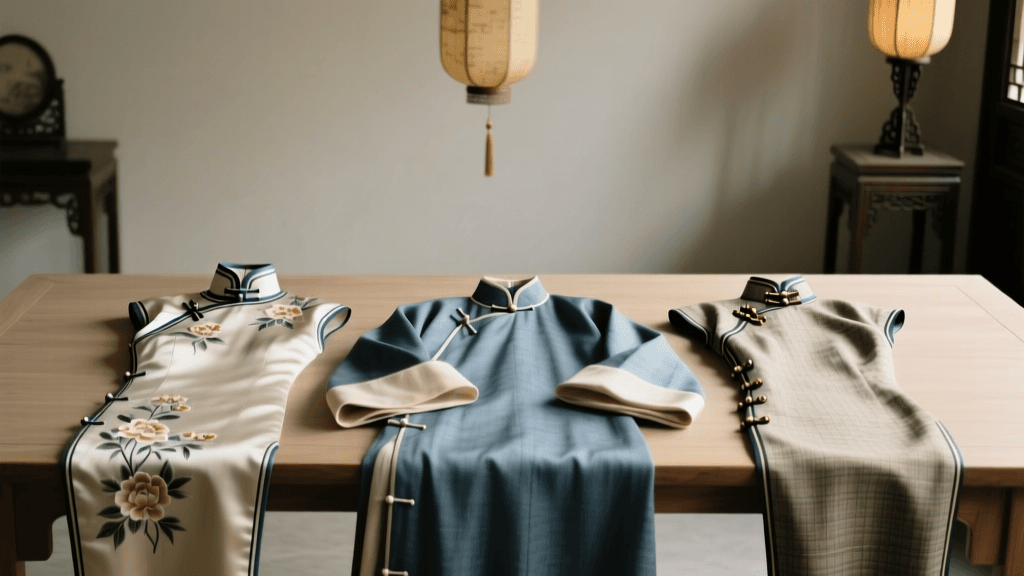
Top Wasai Kimono Sewing Workshops 2026: Kyoto & Virtual
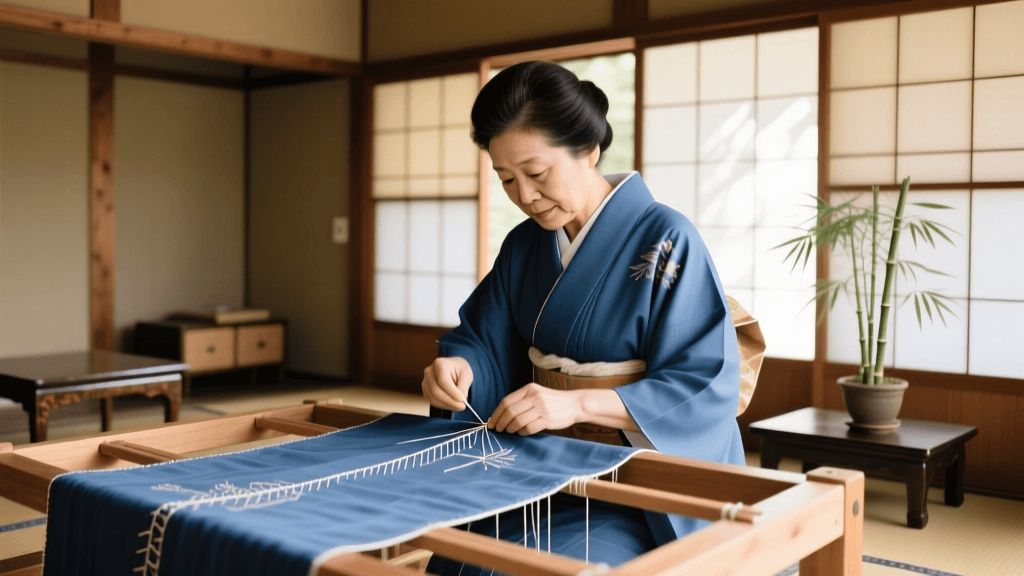
The Renaissance of Wasai: Kimono Sewing in 2026
As the global fashion industry continues its pivot toward sustainable, zero-waste methodologies in 2026, the ancient Japanese art of Wasai (traditional sewing) has experienced an unprecedented renaissance. Unlike Western tailoring, which often relies on curved seams, darts, and cutting fabric to fit the body's three-dimensional contours, Wasai is an exercise in geometric precision, straight-line construction, and profound respect for the textile. For textile enthusiasts, fashion students, and cultural preservationists, learning to construct a kimono or yukata from a single bolt of fabric (tanmono) is no longer confined to decades-long apprenticeships in Japan. Today, a new wave of hybrid workshops and international seminars has made this intricate craft accessible to a global audience.
Whether you are planning a cultural immersion trip to Kyoto this autumn or looking to master the blind-stitching techniques from your home studio via high-definition virtual seminars, this comprehensive 2026 guide will navigate you through the best educational pathways for traditional Japanese garment making.
Understanding the Core Philosophy of Wasai
Before enrolling in a masterclass, it is vital to understand the philosophy that underpins Japanese garment construction. The kimono is fundamentally a modular, un-tailored garment. As noted in the Metropolitan Museum of Art's historical overview of kimono construction, the garment's beauty lies not in its structural manipulation of the cloth, but in the surface design and the meticulous, nearly invisible hand-stitching that holds it together.
- Zero-Waste Design: A standard kimono is made from a single tanmono (fabric bolt) measuring approximately 12 meters long and 38 centimeters wide. Every single centimeter is utilized; there are no off-cuts.
- Straight-Line Sewing: With the exception of the collar (eri) and sleeve curves (sodezuke), nearly all seams are perfectly straight, sewn using a running stitch (namishinui).
- Deconstructability: A true Wasai garment is sewn so that it can be entirely taken apart, washed, re-dyed, and resewn. This modularity is a cornerstone of traditional Japanese sustainability.
Top In-Person Wasai Workshops in Kyoto (2026 Guide)
Kyoto remains the undisputed epicenter of traditional textile arts. In 2026, several prestigious institutions have updated their curricula to accommodate international students, offering English-language instruction and augmented reality translation overlays for technical terminology.
1. Nishijin Textile Center: Intensive Yukata Construction Seminar
Located in the heart of Kyoto's historic weaving district, the Nishijin Textile Center offers a renowned 5-day intensive seminar focused on the unlined summer kimono, or yukata. In 2026, the tuition is set at ¥85,000 (approximately $580 USD). Students are provided with a pre-dyed cotton tanmono and are guided through the entire process of measuring (kijitsu), marking with a bamboo spatula (hera), and executing the core running stitches.
Highlight for 2026: The center has introduced a new module on sustainable indigo dyeing (aizome), allowing students to visit local vats to understand how their fabrics were processed before they ever pick up a needle.
2. Gion Heritage Academy: The Art of Kuke (Blind Stitching)
For those who already possess basic sewing skills and wish to specialize, the Gion Heritage Academy offers a specialized 2-day weekend seminar focusing exclusively on kuke—the traditional blind stitching used to secure the hem and sleeve openings of lined kimono (awase). Priced at ¥45,000 for the 2026 season, this seminar teaches the delicate tension control required to make stitches completely invisible from the garment's exterior.
Best Virtual & Online Kimono Making Seminars
For those unable to travel to Japan, the landscape of virtual Wasai education has matured significantly. According to recent cultural tourism data highlighted by the Japan National Tourism Organization, the demand for remote, high-fidelity cultural workshops has stabilized into a permanent fixture of the Japanese artisan economy.
The Digital Tanmono Masterclass (Global Online)
This premier online platform ships a physical Wasai Starter Kit to your door, which includes a cotton practice bolt, traditional Japanese sewing needles (wasai-bari), a bamboo hera, and a silicone thimble. The 2026 curriculum features 4K macro-camera video modules that allow students to zoom in on the exact needle entry and exit points for complex seams like the okumi (front overlap panel).
Live Q&A sessions are held bi-weekly with certified Wasai-shi (licensed kimono tailors) based in Tokyo. The subscription model costs $45 USD per month, granting access to the entire digital library and community forums where students can upload photos of their stitch tension for expert critique.
Comparison Chart: 2026 Wasai Learning Pathways
| Workshop Type | Location / Format | Duration | Estimated Cost (2026) | Best Suited For |
|---|---|---|---|---|
| Nishijin Intensive | Kyoto, Japan (In-Person) | 5 Days | ¥85,000 ($580 USD) | Immersive learners, serious hobbyists |
| Gion Kuke Seminar | Kyoto, Japan (In-Person) | 2 Days | ¥45,000 ($310 USD) | Advanced sewists, tailors |
| Digital Tanmono | Global (Virtual / Shipped Kit) | Self-Paced (3-6 Months) | $45 USD / month | International students, beginners |
| University Extension | Global (Virtual Lectures) | 12 Weeks | $350 USD (Audit) | Fashion historians, academics |
Essential Tools for Your 2026 Wasai Toolkit
To practice Wasai authentically, you must abandon Western sewing notions. The tools of Japanese garment making are designed specifically for handling silk, hemp, and crisp cottons without damaging the fibers.
- Shaku (Bamboo Ruler): Unlike a flexible plastic measuring tape, the rigid shaku is used in conjunction with the hera to measure and crease fabric simultaneously. A standard 1-meter bamboo ruler costs around $25 USD from specialized online exporters in 2026.
- Hera (Marking Spatula): Made from bamboo, bone, or agate, the hera is used to mark seam allowances by creating a temporary, sharp crease in the fabric rather than using chalk or disappearing ink, which can stain delicate silks.
- Kote (Traditional Iron): While modern steam irons are used in commercial settings, purists learning traditional lining techniques still use a kote—a small, pointed iron used to press open seams in tight areas like the sleeve attachments without flattening the surrounding fabric texture.
- Kukedai (Blind Stitch Frame): A low, wooden frame that holds the hem of the kimono taut at an angle, allowing the tailor to sit on the floor and execute the microscopic kuke stitches with ergonomic ease.
Sourcing Authentic Tanmono (Fabric Bolts)
A critical component of your Wasai journey is sourcing the correct fabric. Western fabric is typically sold in 115cm or 150cm widths. A true tanmono is woven on specialized narrow looms to a width of exactly 36cm to 40cm. In 2026, the most reliable way for international students to source authentic, vintage, and newly woven tanmono is through specialized Kyoto-based online cooperatives that have recently launched English-facing storefronts.
When purchasing, pay close attention to the fiber content. For beginners practicing their stitch tension, a crisp, medium-weight cotton (momen) is highly recommended. Silk crepe (chirimen) is notoriously slippery and should be reserved for your second or third garment once your running stitch is perfectly uniform. Expect to pay between $120 and $300 USD for a high-quality, newly dyed cotton bolt, while vintage silk bolts from the mid-20th century can often be found in excellent condition for under $80 USD due to the domestic surplus in Japan.
Conclusion: Stitching the Future of Tradition
The year 2026 represents a golden era for the global appreciation of traditional Asian garments. By participating in Wasai workshops—whether sitting on the tatami mats of a Nishijin studio or logging into a macro-lens virtual seminar from across the globe—you are doing more than learning to sew. You are engaging in a meditative practice that champions sustainability, zero-waste design, and a deep reverence for the textile arts. Gather your hera, thread your wasai-bari, and begin your journey into the timeless geometry of the kimono.