Top Japanese Kimono Apprenticeships & Fashion Schools 2026
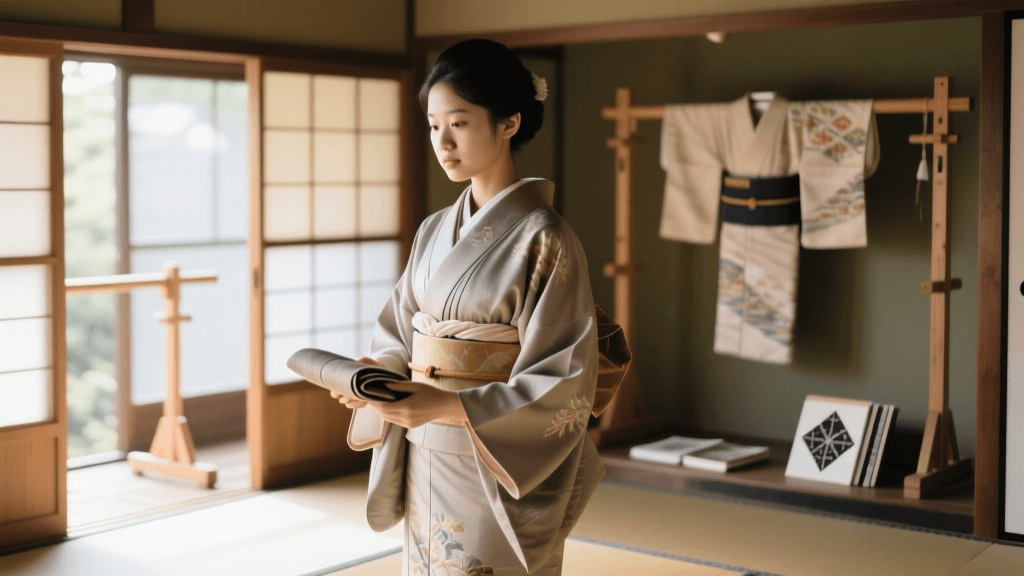
The preservation of Japanese traditional garments, or wafuku, is undergoing a profound renaissance in 2026. As global interest in sustainable, slow fashion and Asian traditions continues to surge, the methods by which these intricate textiles are taught have evolved. Today, aspiring artisans and designers face a unique intersection of ancient heritage and modern pedagogy. Whether through the rigorous, master-led deshi (apprenticeship) system in Kyoto or the structured academic environments of Tokyo's premier fashion institutes, learning to craft a kimono is as much about spiritual discipline as it is about technical skill.
In 2026, the Japanese government and cultural organizations have heavily subsidized traditional craft education to combat the aging artisan population. According to the Kogei Japan portal, initiatives to preserve intangible cultural properties have opened new doors for international students and domestic youth alike. This comprehensive guide explores the top Japanese fashion schools and traditional apprenticeships available in 2026, detailing costs, sensory experiences, and the Zen philosophies that underpin these historic practices.
The State of Wafuku Education in 2026
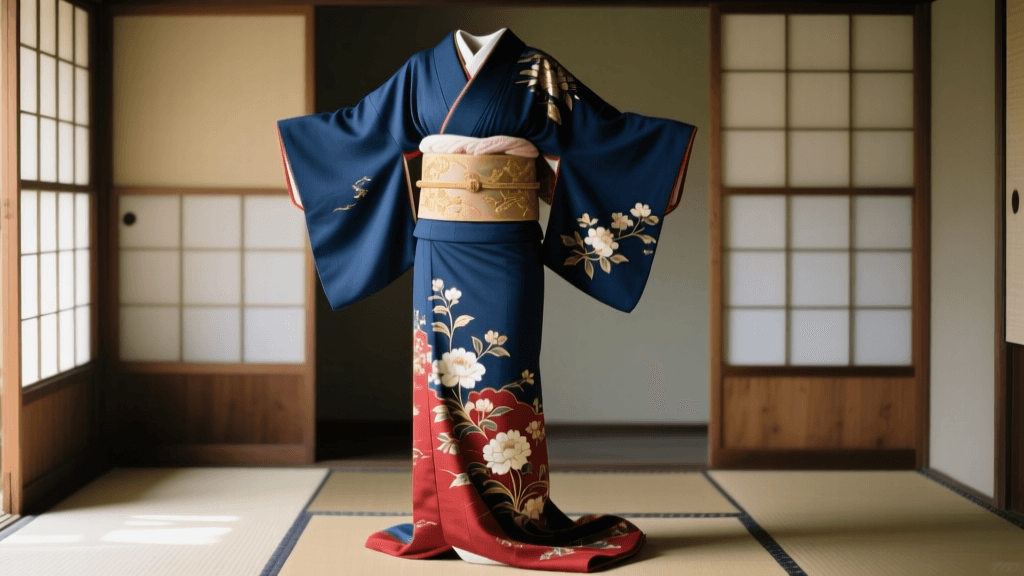
The landscape of Japanese fashion education has shifted dramatically over the last few years. While the late 20th century saw a decline in everyday kimono usage, 2026 marks a period where traditional garments are celebrated as high art, sustainable fashion, and vital cultural artifacts. Educational institutions are now blending ancestral weaving methods with contemporary design thinking. Students are not merely learning to replicate the past; they are being trained to adapt techniques like Nishijin-ori (brocade weaving) and Kyo-yuzen (resist dyeing) for modern international runways and sustainable textile markets.
Fresh funding from the Ministry of Economy, Trade, and Industry (METI) has allowed historic workshops to accept foreign apprentices, provided they meet strict language and cultural immersion criteria. This cross-pollination of international design perspectives with deeply rooted Asian traditions is creating a new generation of global textile ambassadors.
Zen Spirituality in the Weaving Studio
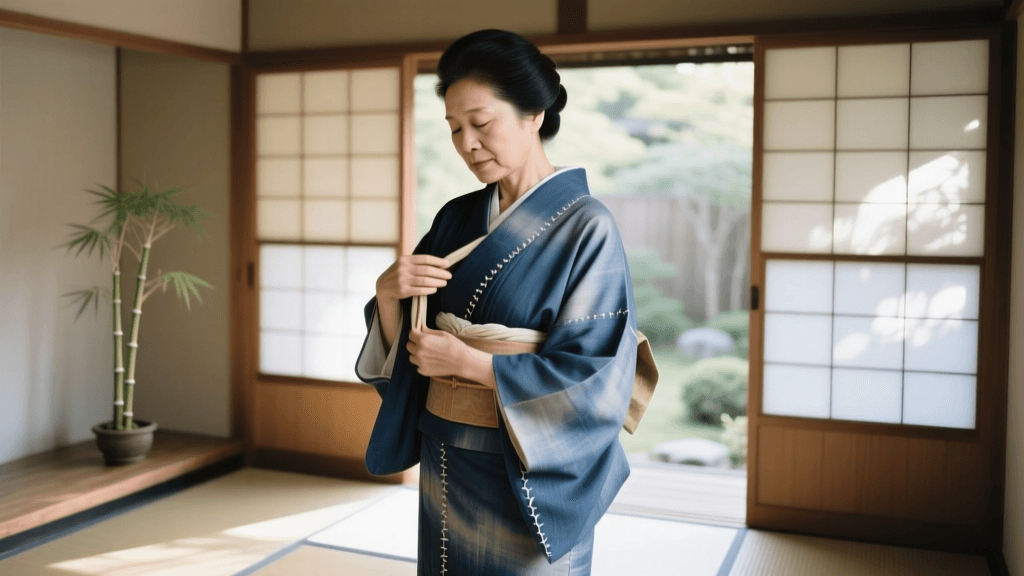
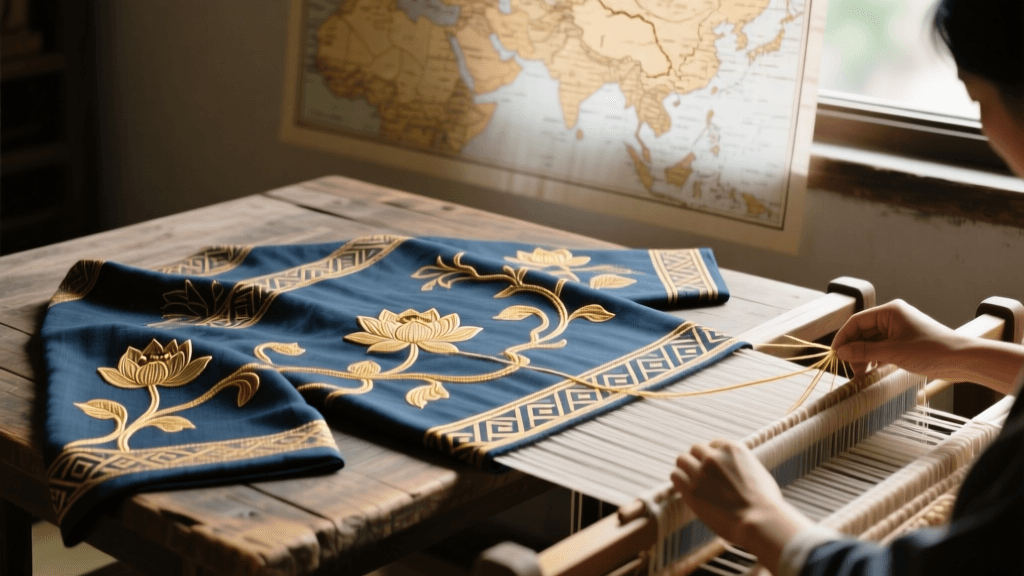
To understand Japanese fashion education, one must understand the Zen spirituality that permeates the workshop. In traditional apprenticeships, the creation of a garment is a meditative practice. The rhythmic clacking of the jidobata (traditional treadle loom) is designed to synchronize the weaver's breath with their movements. Masters teach that the tension of the silk threads reflects the tension in the artisan's mind.
Apprentices in 2026 still begin their mornings with soji (mindful cleaning) of the studio, sweeping the wooden floors and purifying the space before touching the precious silk. This sensory experience grounds the student, preparing them for the intense focus required to pass the delicate hiboko (spindle) through the warp threads. The philosophy is clear: a chaotic mind produces uneven fabric. This holistic approach to education ensures that the spiritual heritage of Asian traditions is passed down alongside the physical techniques.
The Sensory Experience of Yuzen Dyeing Apprenticeships
For those drawn to color and pattern, the Kyo-yuzen dyeing apprenticeships in Kyoto offer an unparalleled sensory journey. Unlike digital printing, traditional Yuzen requires the artisan to engage with the materials on a visceral level. The process begins with itome-nori, a thick rice paste used to outline designs. The studio smells distinctly of fermented rice, damp earth, and the sharp, clean scent of natural indigo vats.
During a 2026 apprenticeship, students spend their first year simply learning to grind pigments and mix the rice paste to the exact consistency required by the master. They learn to use the tsutsugaki (a small metal cone) to draw lines as thin as a single hair. The physical toll is significant; apprentices often develop calluses on their fingers and learn to endure the humid, steam-filled environments necessary for setting the dyes into the silk fibers. Yet, the reward is the ability to create garments that possess a depth of color and texture impossible to achieve through modern synthetic means.
Top Universities for Traditional Japanese Fashion
For students seeking a more structured academic route that still honors Asian traditions, Japan's top fashion universities have developed specialized curricula for 2026. These programs are ideal for those who wish to combine traditional garment construction with international design business and modern pattern-making.
Bunka Fashion College (Tokyo)
Renowned globally, Bunka Fashion College remains the pinnacle of Japanese fashion education. In 2026, their Department of Traditional Garment Construction offers a rigorous two-year diploma focusing on the anatomy of the kimono, the mathematics of the tanmono (traditional bolt of fabric), and the integration of heritage textiles into modern streetwear. Tuition for the 2026 academic year is approximately 1,450,000 JPY. Bunka's advantage lies in its industry connections, allowing students to showcase their traditional-modern hybrid collections at Tokyo Fashion Week.
Kyoto Seika University (Kyoto)
Located in the cultural heart of Japan, Kyoto Seika University offers a unique Faculty of Design program heavily focused on textile preservation and Zen aesthetics. Their curriculum includes mandatory fieldwork in local weaving towns like Tango and Kameoka. Students learn the history of Asian trade routes that influenced Japanese motifs, alongside hands-on workshops in shibori (tie-dye) and katazome (stencil dyeing). The 2026 tuition is roughly 1,350,000 JPY, with numerous scholarships available for international students demonstrating a commitment to cultural preservation.
Structured Comparison: Apprenticeship vs. Academic Route
Choosing between a traditional workshop apprenticeship and a university degree depends on your career goals, language proficiency, and desired lifestyle. Below is a comparison of the two primary educational paths in 2026.
| Feature | Traditional Apprenticeship (Deshi) | University Degree (Bunka / Seika) |
|---|---|---|
| Duration | 3 to 5 years (full-time immersion) | 2 to 4 years (Diploma or Bachelor's) |
| Primary Focus | Mastery of a single, specific craft (e.g., Yuzen dyeing, Nishijin weaving) | Broad fashion design, pattern-making, and traditional integration |
| Language Requirement | JLPT N1 (Fluent) & Kansai dialect comprehension | JLPT N2 minimum (English tracks available for some modules) |
| Financials (2026) | Small monthly stipend (approx. 120,000 JPY) + room/board provided | Tuition: 1,350,000 - 1,450,000 JPY/year + living expenses |
| Career Output | Independent Master Artisan, Heritage Preservationist | Fashion Designer, Brand Director, Textile Researcher |
Actionable Steps for International Applicants in 2026
If you are an international student aiming to enter a Japanese fashion school or apprenticeship in 2026, meticulous preparation is required. The competition for subsidized traditional craft positions is fierce, and workshops demand absolute dedication.
- Achieve JLPT N2 or N1: While some universities offer English support, traditional masters conduct apprenticeships entirely in Japanese, often utilizing highly specific, archaic terminology related to weaving and dyeing. Enroll in intensive language courses immediately.
- Build a Heritage-Focused Portfolio: Your portfolio should not only showcase your design skills but also your understanding of Asian traditions. Include essays or visual research on the history of specific garments, such as the evolution of the hakama or the life stages associated with different kimono motifs.
- Secure the Correct Visa: University students will apply for the standard 'Student' visa. However, those accepted into a master's workshop as a paid apprentice must navigate the 'Instructor' or 'Designated Activities' visa categories, which require sponsorship from the workshop's governing cooperative.
- Attend the 2026 METI Craft Fairs: Networking is vital. Attend government-sponsored events like the Traditional Craft Industry Exhibition in Tokyo. Meeting masters in person and expressing a genuine interest in the sensory and spiritual aspects of their work can secure you an introduction that an email never could.
Ultimately, studying Japanese traditional garments in 2026 is a commitment to slowing down in a fast-paced world. Whether you are threading a loom in a quiet Kyoto studio or sketching modern silhouettes in a bustling Tokyo classroom, you are participating in the vital, ongoing preservation of Asia's most exquisite textile traditions.