Master Kyo-Yuzen: Kyoto's Traditional Kimono Dyeing Workshops
Introduction to Kyo-Yuzen Silk Dyeing
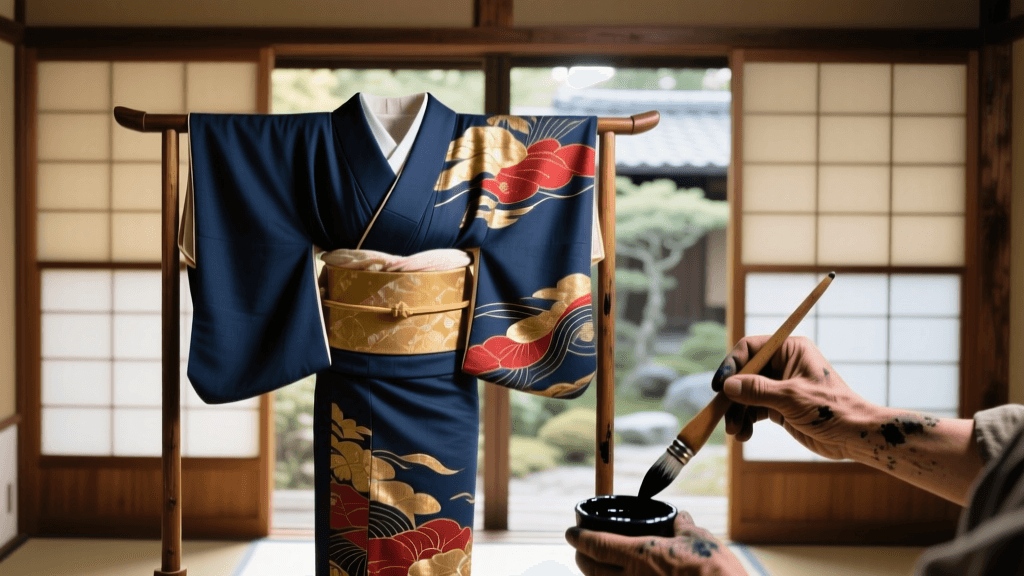
The vibrant, meticulously detailed silk kimonos of Kyoto represent the pinnacle of Japanese textile artistry. At the heart of this visual splendor is Kyo-Yuzen, a traditional resist-dyeing technique that allows artisans to paint intricate, multi-colored designs directly onto silk fabric. Unlike woven patterns or simple stencil dyeing, Kyo-Yuzen transforms the kimono into a wearable canvas, featuring sweeping landscapes, delicate seasonal flora, and auspicious motifs. For travelers, textile enthusiasts, and students of Asian traditions, participating in a Kyo-Yuzen artisan workshop in Kyoto offers a profound, hands-on connection to centuries of Japanese cultural heritage.
In this comprehensive guide, we explore the history, the meticulous multi-step process of Kyo-Yuzen, and provide actionable advice on how to book, attend, and appreciate these traditional artisan workshops in Japan's ancient capital.
The History and Evolution of the Craft
Kyo-Yuzen traces its origins to the late 17th century during the Edo period. It is named after Miyazaki Yuzensai, a fan painter in Kyoto who revolutionized textile decoration by applying his freehand painting techniques to silk. Prior to his innovations, kimonos were primarily decorated through weaving, embroidery, or simple tie-dyeing (shibori). Yuzensai's method allowed for unprecedented artistic freedom, enabling the creation of pictorial designs that flowed seamlessly across the garment's seams.
As the merchant class (chonin) grew wealthier, the demand for luxurious, expressive clothing skyrocketed. Kyo-Yuzen became the defining aesthetic of Kyoto's elite fashion. Today, the craft is officially recognized and protected. According to the Ministry of Economy, Trade and Industry (METI), Kyo-Yuzen is designated as a 'Traditional Craft Product,' a status that ensures the preservation of its specific techniques, materials, and regional heritage against the tide of mass production.
The Meticulous Artisan Process: From Sketch to Silk
Creating a genuine Kyo-Yuzen kimono is not a single action but a highly specialized assembly line of master artisans. A single bolt of silk (tanmono), which measures approximately 38 centimeters in width and 12 meters in length, may pass through the hands of a dozen different specialists. Understanding this process deepens the appreciation of any workshop experience.
- Shitae (Design Sketching): The artisan sketches the design onto the silk using aobana (dayflower) ink, which is water-soluble and vanishes completely during the washing stage.
- Itome-nori (Resist Paste Application): A thick, glutinous rice paste is carefully piped along the sketched lines using a specialized metal-tipped funnel. This paste acts as a dam, preventing adjacent colors from bleeding into one another.
- Sashi (Color Insertion): Using fine brushes made of deer hair or horsehair, artisans hand-paint dyes within the resist boundaries. The silk must be stretched taut on a bamboo frame to maintain tension and precision.
- Fuseno (Background Resist): Once the primary colors are set, the painted areas are covered with resist paste to protect them while the background is dyed.
- Jizome (Background Dyeing): The background color is applied, often using large brushes or by dipping the fabric into vats.
- Mushiki (Steaming): The silk is steamed at 100 degrees Celsius for 20 to 40 minutes. This crucial step opens the silk fibers, allowing the dyes to penetrate deeply and fix permanently.
- Yuzen-nagashi (Washing): Historically, bolts of silk were washed in the flowing waters of the Kamo River, creating a stunning winter spectacle. Today, due to environmental protection laws, this is done in specialized artificial waterways using pristine, filtered water to wash away the rice paste and excess dye.
Experiencing a Workshop: Tiers, Costs, and Timelines
Kyoto offers a variety of workshop experiences tailored to different skill levels, budgets, and time constraints. While creating a full, professional-grade kimono takes months and costs upwards of ¥500,000, tourists and students can engage with the core techniques through modified, accessible workshops.
| Workshop Tier | Typical Output | Duration | Estimated Cost (JPY) | Skill Level & Focus |
|---|---|---|---|---|
| Introductory Stencil | Furoshiki or Tote Bag | 1 - 1.5 Hours | ¥2,500 - ¥4,000 | Beginner. Focuses on Kyo-Yuzen stencil techniques (kata-yuzen) and color blending. |
| Intermediate Hand-Painting | Silk Fan (Sensu) or Scarf | 2 - 3 Hours | ¥5,000 - ¥8,500 | Intermediate. Introduces freehand brushwork, itome-nori resist paste, and precise color insertion. |
| Advanced Masterclass | Obi Belt or Wall Hanging | Full Day (6+ Hours) | ¥15,000 - ¥25,000 | Advanced. Requires steady hands. Covers complex shading (bokashi) and traditional motif drafting. |
Actionable Advice for Booking and Attending
If you plan to immerse yourself in a Kyo-Yuzen workshop, proper preparation is essential to ensure a smooth and rewarding experience.
Booking and Timing
Authentic artisan studios, such as those located in the Nishijin textile district or the historic Higashiyama ward, have limited seating—often accommodating only 4 to 8 guests per session to ensure personalized instruction. You must book at least 4 to 6 weeks in advance, especially during peak tourist seasons (cherry blossom season in April and autumn foliage in November). Many smaller studios do not have English-speaking staff, so utilizing a concierge service, your hotel's front desk, or booking through platforms like Japan Guide is highly recommended to bridge the language gap.
What to Wear and Bring
While the dyes used in tourist workshops are generally washable, the rice paste and pigments can stain. Wear dark, comfortable clothing that you do not mind getting slightly dirty. Avoid wearing your own silk garments. Bring a small hand towel, as you may need to wipe your hands frequently when switching between color brushes. If you are participating in a full-day masterclass, bring a notebook to document the specific dye mixing ratios and brush techniques shared by the instructor.
Managing Expectations
True Kyo-Yuzen requires immense patience. The application of the itome-nori resist paste alone can take 45 minutes for a small, intricate motif. Do not rush the drying phases; if the paste is not completely dry before color insertion, the dyes will bleed, ruining the crisp lines that define the craft. Embrace the meditative, slow pace of the artisan studio.
Preservation and the Global Appreciation of the Craft
Despite its beauty, the Kyo-Yuzen industry faces severe challenges. The aging population of master artisans and the declining everyday use of kimonos have led to a shortage of successors. However, global interest in traditional Japanese craftsmanship is providing a new lifeline. Institutions worldwide are highlighting the technical brilliance of these textiles. As noted by the Victoria and Albert Museum (V&A) in their landmark exhibition 'Kimono: Kyoto to Catwalk,' the kimono is not merely a static historical garment, but a dynamic fashion medium that has continuously influenced global design aesthetics.
By participating in a workshop, purchasing directly from artisan cooperatives, and sharing the knowledge of the craft, international visitors play a direct role in the economic and cultural sustainability of Kyo-Yuzen.
"The beauty of Kyo-Yuzen lies not just in its vivid colors, but in the profound understanding of the silk's nature. The artisan must coax the dye into the fiber, respecting the material's boundaries while pushing the limits of artistic expression."
Conclusion
Engaging with Kyo-Yuzen is more than a simple tourist activity; it is an initiation into the disciplined, poetic world of Japanese traditional arts. Whether you are carefully piping rice paste onto a silk fan or marveling at the finished masterpiece of a master dyer, the experience offers a tactile connection to Kyoto's enduring legacy. When you next drape a Yuzen-dyed silk scarf or admire a vintage kimono, you will understand the dozens of skilled hands, the precise measurements, and the centuries of heritage woven into every vibrant thread.