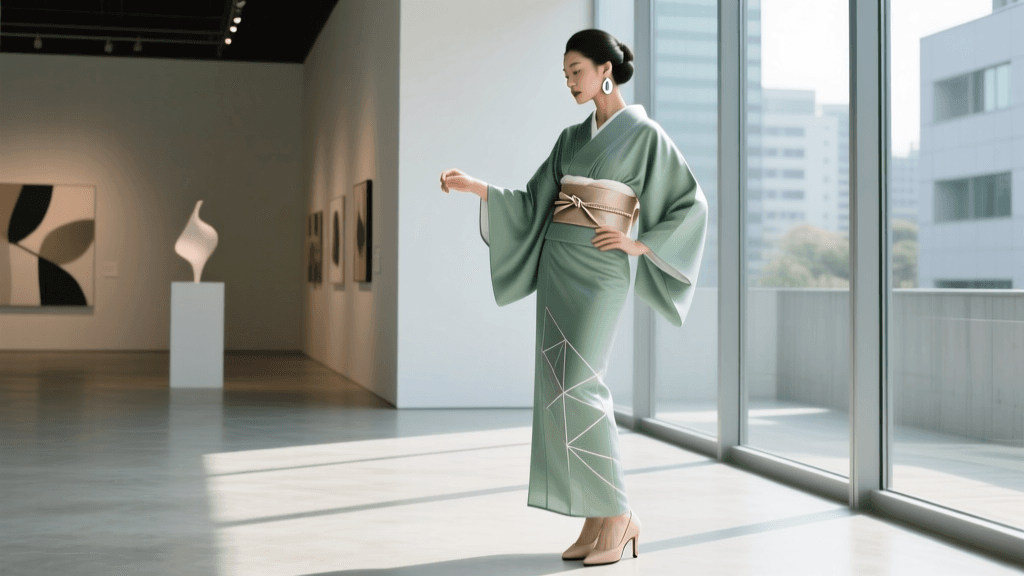
Mastering Koromogae: The Ultimate Kimono Storage Guide
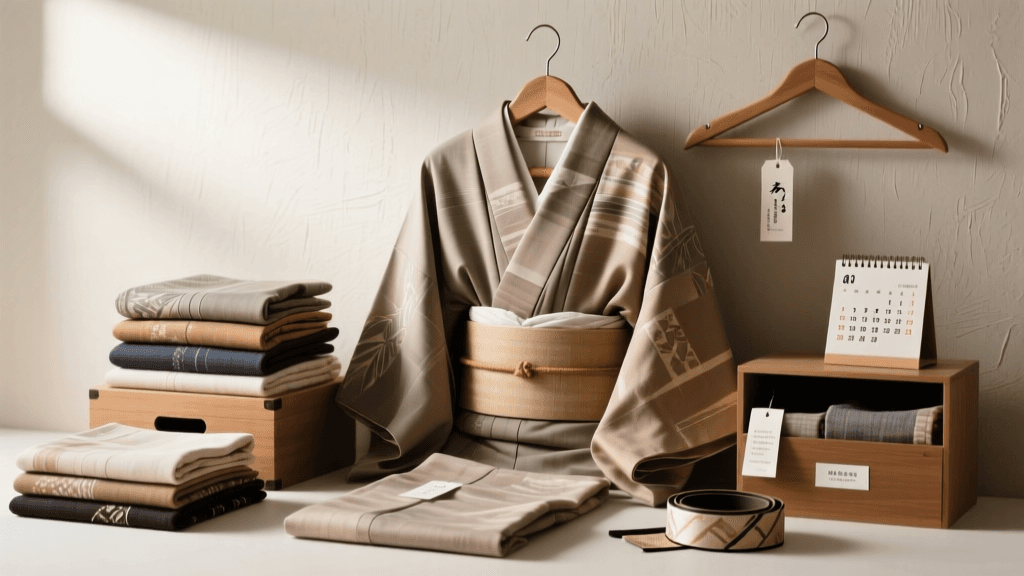
The Cultural Roots of Koromogae
In the world of traditional Japanese clothing, the wardrobe is not merely a collection of garments; it is a living calendar that reflects the changing seasons. The practice of transitioning one's wardrobe to match the climate is known as koromogae (衣替え). Originating in the Heian period (794–1185), this tradition was initially a courtly ritual where nobles would officially change from summer to winter attire on designated days. Today, koromogae remains a vital practice for kimono collectors, enthusiasts, and cultural preservationists. Because authentic kimono are crafted from delicate natural fibers like silk, hemp, and cotton, proper seasonal rotation and meticulous storage are essential to prevent mold, fiber degradation, and permanent creasing.
Timing Your Seasonal Wardrobe Rotation
The traditional Japanese wardrobe is divided into three primary seasonal categories: hitoe (unlined garments for early summer and early autumn), usumono (sheer, lightweight garments for peak summer), and awase (lined garments for autumn, winter, and spring). The formal koromogae transitions occur twice a year:
- Summer Transition (June 1st): Lined awase kimono are carefully cleaned, folded, and stored away, making room for breathable hitoe and sheer ro or sha silk garments.
- Winter Transition (October 1st): Summer garments are retired, and heavier lined silk, wool, and brocade kimono are brought out for the cooler months.
Between these dates lies the concept of ainu, a transitional period where the weather is unpredictable. During ainu, collectors often keep a versatile selection of both lined and unlined garments accessible. Adhering to this schedule not only ensures sartorial appropriateness but also guarantees that your entire collection is inspected, aired, and rotated at least twice a year, which is critical for long-term textile preservation.
Essential Materials for Kimono Preservation
Proper storage requires specific materials designed to regulate humidity and repel pests. The gold standard for kimono storage is the tansu, a traditional chest made from Paulownia wood (kiri). Paulownia is uniquely suited for textile preservation because it is naturally fire-resistant, lightweight, and possesses remarkable hygroscopic properties. When ambient humidity rises, the wood swells slightly to seal out moisture; when the air is dry, it contracts to allow the garments to breathe.
Inside the tansu, kimono are never left exposed. Each garment is wrapped in tatoushi, a specialized envelope made from acid-free washi (Japanese mulberry paper). Standard tatoushi measure approximately 85 cm by 65 cm, perfectly accommodating a folded kimono. The paper allows air circulation while protecting the silk from dust and direct light. To deter pests like the webbing clothes moth, collectors place natural camphor (shounou) or cedar blocks in the corners of the drawers, ensuring the repellents never directly touch the silk to avoid oil transfer.
Storage Material Comparison Chart
Selecting the right storage environment is crucial. Below is a comparison of common storage methods for silk and cotton kimono:
| Storage Method | Pros | Cons | Estimated Cost (USD) |
|---|---|---|---|
| Paulownia Tansu | Natural humidity control, pest-resistant, traditional aesthetic. | Heavy, requires significant space, high initial investment. | $800 - $3,500+ |
| Washi Tatoushi Paper | Acid-free, breathable, prevents moisture trapping. | Must be replaced every few years if stained or weakened. | $15 - $30 per pack |
| Plastic Bins | Cheap, stackable, protects from water leaks. | Traps humidity, promotes mold, off-gasses harmful plastics. | $10 - $25 |
| Archival Textile Boxes | Acid-free, museum-grade, excellent for long-term storage. | Bulky, lacks humidity regulation of wood. | $40 - $90 per box |
The Art of Hon-Datami Folding
Unlike Western garments that are hung on hangers, kimono are strictly folded. Hanging a silk kimono for extended periods will stretch the shoulders and distort the grain. The traditional folding method, hon-datami, is a precise geometric process that aligns the seams to distribute stress evenly across the fabric. When folded correctly, a standard kimono forms a neat rectangle measuring roughly 33 cm by 20 cm.
The hon-datami method involves folding the garment along its designated seam lines, ensuring that no sharp, unnatural creases are introduced. The sleeves are folded inward, and the body is rolled or folded onto itself. Once folded, the garment is slipped into the tatoushi envelope, and the paper is folded shut using a specific interlocking technique that requires no tape or adhesive. This meticulous folding prevents the silk fibers from fracturing along the crease lines, a common issue in improperly stored vintage textiles.
Mushiboshi: The Vital Airing-Out Ritual
Even with perfect storage, kimono require fresh air. Mushiboshi translates to 'insect airing' and refers to the annual practice of unpacking, unfolding, and airing out the entire kimono collection. This is typically performed in late autumn or early winter (November to December) when the air is crisp, dry, and free of the high humidity that characterizes the Japanese summer.
During mushiboshi, garments are removed from their tatoushi and draped over specialized wooden racks or clean cotton sheets in a shaded, well-ventilated room. Direct sunlight must be strictly avoided, as UV rays will rapidly degrade silk proteins and cause irreversible fading. The garments are left to breathe for a few hours, allowing trapped odors and moisture to dissipate. This is also the time when collectors inspect for early signs of mold, pest damage, or loose threads, addressing minor repairs before returning the garments to storage with fresh camphor and new tatoushi if necessary.
Museum-Grade Conservation Standards
For serious collectors and archivists, aligning personal storage practices with museum conservation standards is highly recommended. According to the Victoria and Albert Museum's textile conservation guidelines, silk is highly susceptible to light damage and fluctuating humidity. The V&A advises maintaining a stable relative humidity between 50% and 55% to prevent the growth of mold spores, which thrive above 65% humidity, and to prevent fibers from becoming brittle in overly dry conditions.
Furthermore, the physical handling of these garments requires care. The Metropolitan Museum of Art's Textile Conservation department emphasizes that improper folding and handling can cause permanent crease lines and fiber breakage over time. The Met recommends using acid-free tissue paper to pad folds when storing textiles in archival boxes, reducing the sharpness of the crease and minimizing stress on the silk warp and weft threads. Adopting these institutional standards at home ensures that antique Meiji or Taisho-era kimono survive for future generations.
Modern Alternatives for Urban Collectors
Not every enthusiast has the space for a massive Paulownia tansu. For urban collectors or those living in apartments, modern archival solutions offer a practical compromise. Acid-free, lignin-free archival storage boxes are an excellent alternative to plastic bins, which can off-gas volatile organic compounds (VOCs) that yellow and weaken silk. When using archival boxes, line the bottom with unbuffered, acid-free tissue paper, place the folded, tatoushi-wrapped kimono inside, and add a small, breathable sachet of activated charcoal or silica gel to passively regulate moisture.
Regardless of the storage vessel, the principles of koromogae remain unchanged. The ritual forces the collector to interact with their garments, fostering a deep appreciation for the craftsmanship, dyeing techniques, and cultural heritage woven into every thread. By honoring the seasonal rotation and committing to the meticulous care of these textiles, you participate in a centuries-old tradition of respect for the art of Japanese dress.