Kimono Travel Packing Guide 2026: Transport Silk Safely
The Resurgence of Kimono Travel in 2026
As global cultural tourism reaches new heights in 2026, an increasing number of travelers are choosing to bring their own traditional garments to international festivals, tea ceremonies, and heritage tours across Japan and beyond. However, traveling with a kimono presents unique logistical challenges. Unlike modern Western clothing, a silk kimono is a delicate, multi-layered ensemble that requires meticulous folding, specialized wrapping, and careful climate management to prevent permanent creasing, moisture damage, or fabric degradation. According to the Metropolitan Museum of Art, the kimono's iconic T-shaped structure and luxurious silk weaves demand specific conservation techniques that differ vastly from standard garment care. Whether you are transporting an heirloom silk uchikake, a casual cotton yukata, or a formal obi, mastering the art of kimono packing is essential for any traveling enthusiast.
Understanding the Tatoshi: Traditional vs. Modern Wrapping
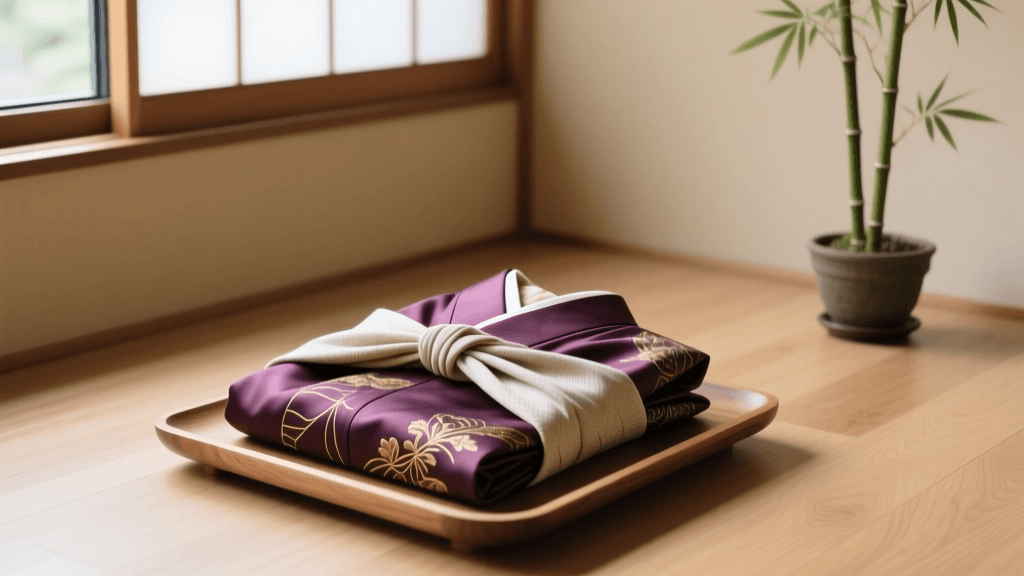
The foundation of kimono preservation is the tatoshi (or tatoushi), a specialized wrapping paper or cloth designed to protect the garment from dust, light, and friction. Traditionally, thick, handmade Japanese paper (washi) was used. The paper absorbs excess moisture and allows the silk to breathe, preventing the growth of mold—a common enemy of silk textiles in humid transit environments.
In 2026, while traditional washi tatoshi are still widely available in specialty shops in Kyoto and Tokyo, modern travelers often opt for advanced alternatives. The Smithsonian Museum Conservation Institute advises using unbuffered, acid-free tissue paper for wrapping delicate protein fibers like silk. Acid-free tissue prevents the yellowing and fiber weakening that can occur when silk is in prolonged contact with standard wood-pulp paper or synthetic plastics. When packing, lay the tatoshi flat, place the folded kimono in the center, and fold the paper snugly around the garment, securing it with a soft cotton tie. Never use plastic dry-cleaning bags, as they trap moisture and emit gases that can degrade silk dyes over time.
Step-by-Step Kimono Folding for Transit
Proper folding is critical to avoid sharp, permanent creases on the delicate shoulder seams and sleeves. The standard folding method for travel is the hon-datami (basic fold), which aligns the seams to distribute pressure evenly.
- Lay Flat: Spread the kimono face down on a clean, dry surface (preferably over a clean cotton sheet).
- Fold the Front Panels: Fold the left front panel over to the right, aligning the outer seams perfectly.
- Sleeve Management: Fold the sleeves inward so they do not extend past the body of the garment. Ensure the sleeve edges align with the side seams to prevent awkward bulges in your luggage.
- Lengthwise Fold: Fold the garment in half lengthwise (bottom hem up to the collar). To prevent a hard crease at the fold line, place a rolled piece of acid-free tissue paper or a soft cotton cloth inside the fold.
- Final Wrap: Wrap the neatly folded rectangle in your tatoshi or acid-free tissue.
Packing the Obi and Accessories
The obi (sash) and accessories require their own packing strategies. A formal maru or fukuro obi is heavily brocaded and stiff; folding it sharply can crack the metallic threads or stiffening agents inside. Instead, roll the obi loosely around a core of acid-free tissue and place it in a dedicated cylindrical obi case or a soft cotton tube.
Smaller accessories like the obijime (cord), obidome (brooch), and tabi (split-toe socks) should be packed in separate zippered mesh pouches. This prevents metal obidome clasps from snagging the silk kimono during transit. Footwear, such as zori or geta, must be placed in cloth shoe bags to ensure the lacquered wood or vinyl soles do not scratch the silk garments in your suitcase.
Choosing the Right Luggage: 2026 Travel Gear Comparison
Selecting the right luggage is just as important as the folding technique. With 2026 airline carry-on regulations strictly enforcing dimension limits, travelers must balance space efficiency with garment protection. Below is a comparison of the most effective luggage types for kimono transport.
| Luggage Type | Pros | Cons | Best For |
|---|---|---|---|
| Hard-Shell Carry-On (e.g., Polycarbonate) | Crush-proof, water-resistant, excellent structural integrity. | Fixed dimensions limit over-packing; rigid interior can cause friction if not padded. | Short trips, protecting heavily embroidered silk kimono. |
| Dedicated Garment Bag (Tri-fold) | Minimizes folding, allows garments to lay relatively flat. | Bulky, often exceeds 2026 budget airline carry-on limits; requires closet space upon arrival. | Formal events, single delicate kimono, road trips. |
| Paulownia Wood Box (Kiri-bako) | Traditional, naturally repels insects, regulates humidity. | Extremely heavy, fragile corners, not suitable as primary airline luggage. | Long-term storage, ground transport, heirloom preservation. |
| Padded Canvas Kimono Roll | Lightweight, flexible, fits easily inside standard suitcases. | Offers minimal crush protection against heavy external impacts. | Packing multiple casual kimono or yukata inside a larger checked bag. |
On-the-Go Care: Wrinkle Removal and Emonkake
Once you arrive at your destination, unpack your kimono immediately. Never leave silk compressed in a suitcase for days. To release minor transit wrinkles, you will need an emonkake (a specialized kimono hanger with wide, curved arms). Standard wire or wooden hangers will distort the shoulder seams and leave permanent marks on the wet or dampened silk.
Hang the kimono in a well-ventilated room away from direct sunlight. For stubborn wrinkles, avoid traditional irons, as direct heat can scorch silk and flatten the textured weaves of crepe (chirimen) fabrics. Instead, use a 2026 dual-voltage portable garment steamer. Hold the steamer nozzle at least six inches away from the fabric, allowing the gentle vapor to relax the fibers. Alternatively, hanging the kimono in the bathroom while you take a hot shower creates a natural steam room effect that safely releases light creases without the risk of water spotting.
Navigating Airport Security and Climate Shifts
Airport security in 2026 utilizes advanced 3D CT scanners for carry-on luggage. These X-ray scans are entirely safe for silk textiles and will not fade dyes or damage fibers. However, the metallic threads in brocade obi or the metal clasps on obidome may trigger a manual bag search. To expedite the process, keep your accessories pouch easily accessible at the top of your bag and politely inform security personnel that the items are delicate cultural garments.
Climate shifts during travel pose a hidden threat. Moving from a humid tarmac to an aggressively air-conditioned cabin can cause rapid moisture fluctuations, leading to silk shrinkage or dye bleeding. To mitigate this, include a few silica gel desiccant packets inside your tatoshi wrap to absorb ambient moisture. As noted by the Japan National Tourism Organization, engaging with traditional culture requires respect for the garments themselves; by treating your kimono with the utmost care during transit, you ensure that these magnificent textiles survive to be worn and appreciated for generations to come.