Kimono Travel Essentials 2026: Packing Guide & Best Locations
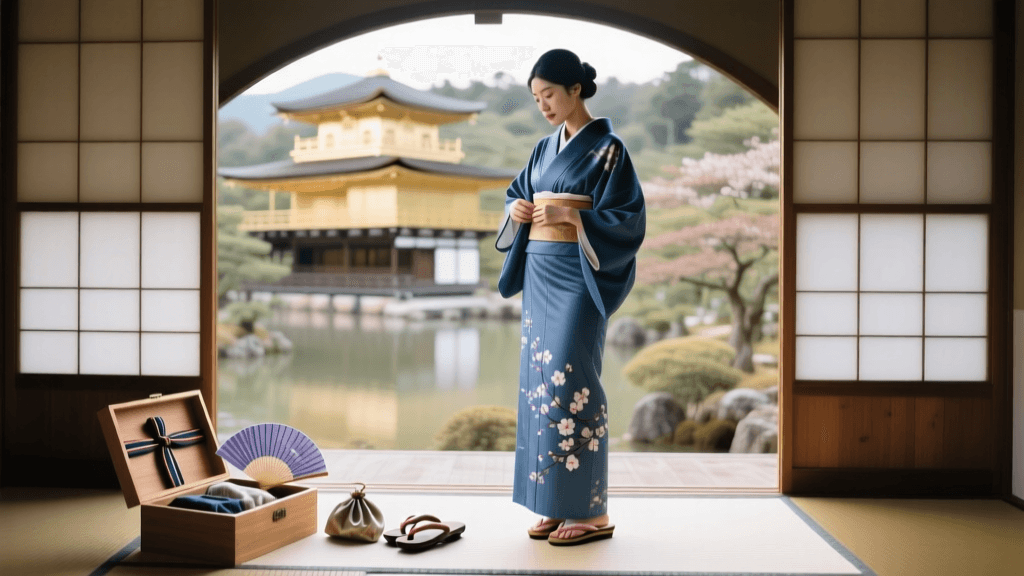
Embracing Traditional Garments on Your 2026 Japan Itinerary
Traveling to Japan in 2026 offers an unprecedented opportunity to immerse yourself in the country's rich sartorial heritage. As global tourism shifts toward more sustainable and culturally immersive experiences, wearing a kimono is no longer just a photo opportunity; it is a profound way to connect with Japanese history, craftsmanship, and daily life. However, whether you are a seasoned kitsuke (kimono dressing) practitioner or a passionate beginner, packing a kimono for international travel requires meticulous planning. Unlike Western clothing, a kimono is not a single garment but a complex system of layered fabrics, ties, and accessories. This comprehensive guide details exactly what to pack, how to care for your garments on the road, and the most breathtaking locations to wear your kimono in 2026.
The Core Wardrobe: Choosing the Right Fabric for Travel
When selecting a kimono for travel, the fabric dictates your packing strategy. Traditional silk (shoken) is undeniably beautiful, but it is notoriously difficult to maintain, prone to water spotting, and requires professional dry cleaning. For the modern traveler in 2026, washable polyester or advanced synthetic blends are the superior choice. These modern textiles mimic the drape and sheen of silk while offering the convenience of being machine washable and highly resistant to wrinkles.
If you are traveling during the summer months (June to August), pack a lightweight cotton or linen yukata. Yukata require far fewer undergarments and accessories, making them incredibly luggage-friendly. For spring (cherry blossom season) or autumn (maple leaf season), a lined polyester awase kimono or a versatile hitoe (unlined kimono) for early autumn will serve you best. Always pack a matching nagajuban (under-kimono) to protect your outer garment from sweat and body oils, ensuring it remains fresh throughout your trip.
The Unsung Heroes: Essential Accessories You Cannot Skip
The most common mistake travelers make is packing the kimono and obi but forgetting the intricate network of under-ties that hold the garment together. Without these accessories, dressing yourself in a hotel room will be impossible. Here is the definitive list of kitsuke accessories you must pack:
- Koshihimo (Waist Ties): Pack at least three to four long, thin cotton or elastic cords. These are the foundational ties that secure the kimono and nagajuban in place.
- Datejime (Wide Ties): You will need two of these wider, often elasticized belts to flatten the fabric over the koshihimo and prepare the torso for the obi.
- Obi-ita (Obi Board): A stiff, felt-covered board inserted into the obi to prevent the thick fabric from wrinkling when tied.
- Obi-makura (Obi Pillow): A small, firm cushion used to give volume and shape to the obi knot (musubi) at the back.
- Obiage and Obijime: The decorative silk scarf (obiage) and the braided cord (obijime) that secure the obi knot and add a pop of contrasting color.
- Tabi and Zori: Split-toe socks (tabi) are mandatory for wearing traditional footwear. Pack stretch-cotton tabi for comfort during long days of walking. Pair them with a comfortable pair of vinyl or cork-soled zori sandals.
2026 Kimono Packing Checklist & Luggage Strategy
Space and weight are at a premium when navigating Japan's bullet trains (Shinkansen) and compact hotel rooms. Below is a structured breakdown of your packing requirements, optimized for a standard carry-on or medium checked suitcase.
| Item | Quantity | Material Recommendation | Luggage Space |
|---|---|---|---|
| Kimono / Yukata | 1-2 | Washable Polyester / Cotton | Medium |
| Nagajuban | 1 | Cotton or Coolmax Blend | Low |
| Obi (Belt) | 1-2 | Polyester or Pre-Tied (Tsuke-obi) | Medium |
| Koshihimo | 4 | Elastic or Cotton | Very Low |
| Datejime | 2 | Elastic with Velcro | Low |
| Obi Accessories | 1 Set | Felt Board, Pillow, Cords | Low |
| Tabi Socks | 2 Pairs | Stretch Cotton | Very Low |
| Zori Sandals | 1 Pair | Vinyl or Cork | High |
Folding Techniques and Garment Care on the Road
Never fold a kimono the way you would fold a Western t-shirt. Traditional Japanese garments are designed to be folded along straight, geometric lines (tatami) to prevent permanent creases and protect the seams. Invest in a few sheets of acid-free tissue paper before your trip. When folding your kimono, place the tissue paper along the fold lines to cushion the fabric and prevent sharp creases.
Once you arrive at your accommodation, immediately unpack your kimono and hang it on a specialized kimono hanger (emonkake). Standard Western hangers with shoulder bumps will distort the delicate shoulder seams of the garment. If your luggage has caused minor wrinkles, a portable, dual-voltage travel steamer is your best friend. Japan operates on a 100V electrical grid with Type A plugs (identical to the US). A compact 2026 lithium-battery or dual-voltage handheld steamer will easily smooth out polyester and cotton fabrics in minutes, ensuring your garment looks immaculate before you step out.
Where to Wear: Top Destinations for 2026
Choosing the right location to wear your kimono is just as important as packing it. While major tourist hubs are beautiful, they can be overwhelmingly crowded, making navigation in restrictive garments difficult. Here are the top curated locations for 2026.
1. Kanazawa: The Higashi Chaya District
Often referred to as 'Little Kyoto,' Kanazawa offers a spectacular, less congested alternative to the ancient capital. The Higashi Chaya District is a beautifully preserved geisha district featuring wooden machiya houses and gold-leaf cafes. Wearing a kimono here allows for unhurried photography and a deeply atmospheric experience. According to the Kanazawa Tourism board, the city has heavily invested in pedestrian-friendly infrastructure in 2026, making it easier to navigate in zori sandals while enjoying local matcha and wagashi sweets.
2. Kyoto: Arashiyama and Early Morning Higashiyama
Kyoto remains the undisputed heart of traditional Japanese culture, but overtourism has led to strict new etiquette rules in 2026, particularly regarding street photography in Gion. To enjoy a peaceful kimono experience, head to the Arashiyama bamboo groves at dawn, or explore the quieter, northern paths of the Philosopher's Path. The Kyoto City Official Travel Guide highly recommends booking early morning tea ceremonies or private temple viewings, allowing you to wear your kimono in serene, crowd-free environments while respecting local residents' privacy.
3. Takayama: Sanmachi Suji Historic District
Located in the mountainous Hida region, Takayama is a hidden gem for traditional garment enthusiasts. The Sanmachi Suji district features Edo-period merchant houses, sake breweries, and morning markets. The contrast of a vibrant silk or polyester kimono against the dark, latticed wood of the historic buildings creates stunning visual aesthetics. Furthermore, the Japan National Tourism Organization highlights Takayama as a premier destination for sustainable, slow travel, perfectly aligning with the mindful practice of wearing and caring for traditional clothing.
Renting vs. Packing: A 2026 Cost and Experience Comparison
While packing your own kimono requires effort, it offers distinct advantages over renting. In 2026, a standard kimono rental in Kyoto costs between 5,000 to 8,000 JPY, but you are limited to the shop's inventory, and the garments are often heavily worn, mass-produced polyester. By bringing your own, you guarantee a perfect fit, superior fabric quality, and the ability to dress at your own pace in the comfort of your ryokan. Additionally, you avoid the strict return times imposed by rental shops, allowing you to wear your kimono for evening illuminations or sunset dinners.
Final Thoughts on Sartorial Etiquette
Wearing a kimono in Japan is a gesture of deep respect for the culture. Ensure your collar is crossed correctly (left over right), your obi is tied neatly, and your posture is mindful. When entering temples, shrines, or traditional ryokan, be prepared to remove your zori sandals at the genkan (entryway). By packing thoughtfully, caring for your garments, and choosing your destinations wisely, your 2026 kimono travel experience will be a seamless blend of historical elegance and modern exploration.