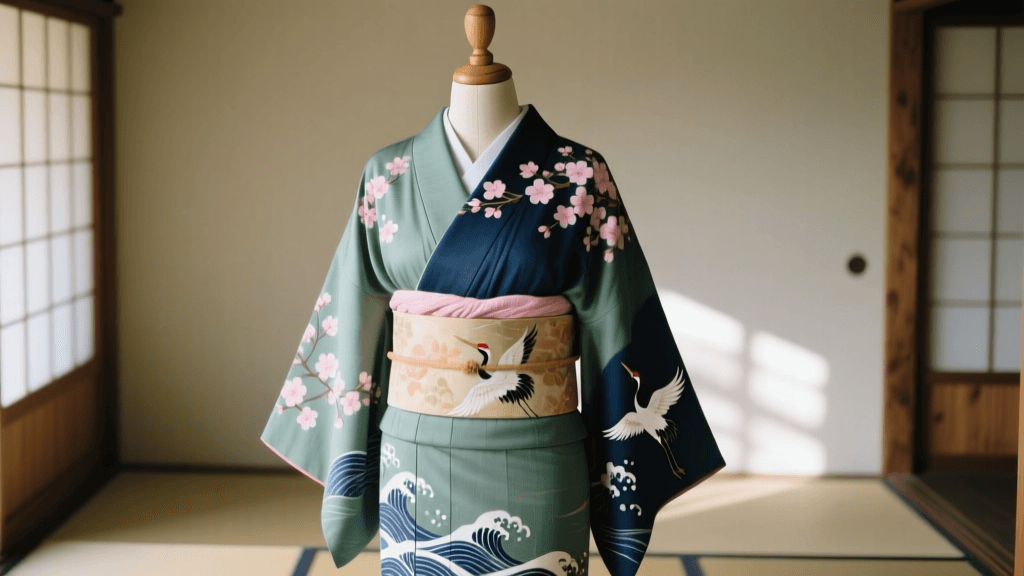
Kimono Travel Essentials 2026: Packing Guide & Top Locations
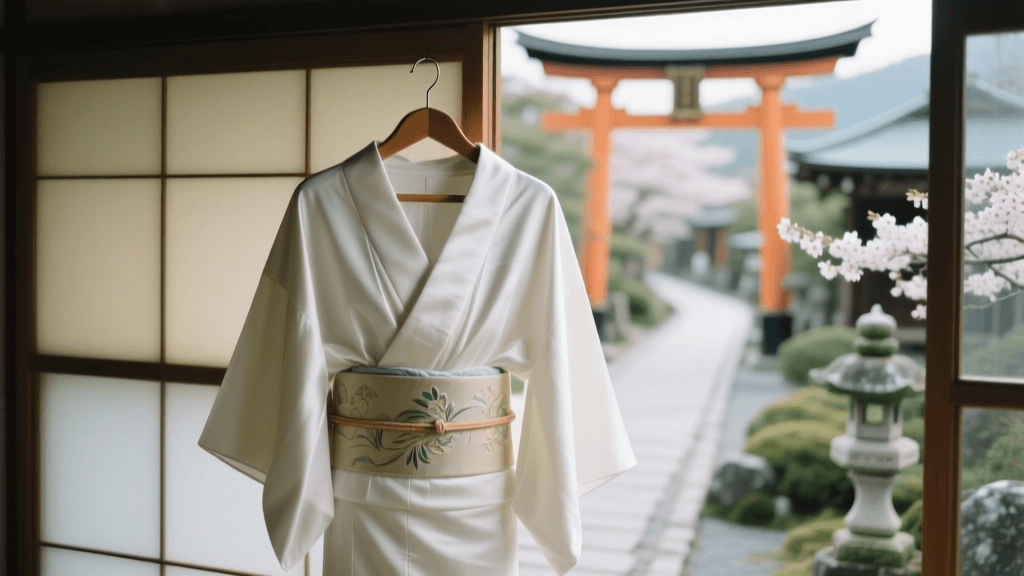
The Renaissance of Kimono Travel in 2026
As global travel continues to evolve in 2026, a significant shift toward slow, culturally immersive tourism has taken hold. For enthusiasts of traditional Asian garments, traveling to Japan with a personal kimono collection—or planning to rent and wear them on-site—has never been more rewarding. However, navigating the logistics of packing delicate silks, understanding modern climate adaptations, and knowing where to wear these garments respectfully requires careful planning. Whether you are a seasoned kitsuke (kimono dressing) practitioner or a curious traveler looking to elevate your Japanese itinerary, this comprehensive 2026 guide covers the ultimate kimono travel essentials.
The 2026 Kimono Packing Checklist
Packing a kimono for international travel requires a balance between preserving the integrity of the fabric and managing luggage weight limits. In 2026, luggage technology and specialized garment care accessories have made it easier than ever to transport silk safely. The traditional sode-datami (sleeve folding) method remains the gold standard for minimizing creases, but pairing it with modern moisture-wicking materials is crucial.
| Item | Purpose & 2026 Travel Recommendation | Est. Weight |
|---|---|---|
| Yukata (Cotton/Linen) | Ideal for summer festivals, ryokan lounging, and casual evening strolls. Opt for quick-dry blended fabrics. | 600g |
| Komon (Casual Silk/Poly) | Everyday patterned kimono for daytime sightseeing, cafes, and temple visits. | 850g |
| Tatoushi (Garment Wrappers) | Traditional washi paper or modern acid-free breathable sleeves to protect silk from moisture and friction. | 150g |
| Tsuke Obi (Pre-tied Sash) | A massive 2026 travel trend; pre-tied obi that clip or tie on in seconds, saving luggage space and dressing time. | 300g |
| Koshihimo (Waist Ties) | Pack at least 3-4. Modern silicone-grip or velcro koshihimo prevent slipping during long walking days. | 120g |
| Tabi (Split-toe Socks) | Essential for zori. Stretch-toe cotton blends are recommended for travel comfort over traditional stiff kohaze hooks. | 150g |
| Haori (Light Jacket) | Crucial for layering in spring/autumn. Adds formality and warmth without the bulk of a full winter coat. | 500g |
Fabric Selection for Japan's 2026 Climate
Japan's distinct seasons dictate your fabric choices. In 2026, with shifting global weather patterns, versatility is key. For the humid, sweltering months of July and August, pack ro or sha (woven gauze silks) or high-quality cotton yukata. These breathable weaves allow air circulation, preventing the garment from clinging to the skin. For the cherry blossom season in spring or the vibrant maple leaves of autumn, a medium-weight tsumugi (pongee silk) or chirimen (crepe silk) offers excellent temperature regulation. Avoid heavy, lined winter kimono (awase) unless you are visiting Hokkaido or the Japanese Alps in January, as they are exceptionally heavy to pack and difficult to air out in standard hotel rooms.
Where to Wear: Top Scenic Destinations in 2026
Knowing where to wear your kimono is just as important as knowing how to pack it. While famous spots are beautiful, the 2026 travel ethos emphasizes dispersing tourism to preserve local heritage and avoid overcrowding.
Kyoto: Beyond the Crowds
Kyoto remains the spiritual home of the kimono. However, popular districts like Higashiyama and Arashiyama can be overwhelmingly congested. According to the Kyoto City Tourism Association, travelers in 2026 are highly encouraged to explore peripheral cultural hubs. Consider wearing your kimono in Ohara, a serene mountain village north of Kyoto featuring stunning moss gardens at Sanzen-in Temple, or Daigo, home to the expansive Daigo-ji temple complex. These locations offer breathtaking, uncrowded backdrops for photography while respecting local residential zones.
Kanazawa: The Little Kyoto
Kanazawa has solidified its status as a premier destination for traditional garment enthusiasts. The Higashi Chaya District, with its preserved wooden teahouses and cobblestone streets, is the perfect setting for a slightly more formal houmongi or an elegant komon. Kanazawa's weather can be unpredictable, so packing a stylish haori and a traditional paper umbrella (wagasa) is highly recommended for those wandering near the Kenroku-en Garden.
Tokyo: Urban Elegance
Tokyo offers a striking juxtaposition of modern architecture and traditional aesthetics. The Yanaka Ginza neighborhood retains a mid-century, old-town charm that pairs beautifully with casual, retro-patterned kimono. For a more refined experience, book a tea ceremony at Rikugien Garden or visit the Nezu Shrine, where the iconic vermillion torii gates provide a spectacular contrast to the vibrant silk of your attire.
Modern Accessories for the Traveling Enthusiast
The intersection of traditional craftsmanship and modern ergonomics has birthed a new category of travel-friendly kimono accessories. In 2026, you no longer need to suffer through blistered feet to wear traditional footwear. Brands are now producing zori and geta with EVA foam or memory-foam footbeds hidden beneath traditional woven hanao (straps). These shock-absorbing soles are a game-changer for navigating Japan's asphalt sidewalks and cobblestone alleys.
Additionally, the rise of the tsuke obi (pre-tied obi) has revolutionized travel kitsuke. Unlike a traditional 4-meter long obi that requires complex tying and a bulky obi-ita (stiffener), a tsuke obi is pre-folded and secured with hidden clips or velcro. They can be folded flat into a suitcase and attached in under two minutes, making them the ultimate essential for travelers who want the authentic silhouette without the dressing fatigue.
Etiquette and Cultural Respect
Wearing a kimono as a foreign visitor is generally celebrated as a sign of deep respect for Japanese culture. However, mindful tourism is paramount. The JNTO Travel Etiquette Guide emphasizes the importance of respecting privacy and local customs. When wearing a kimono in public spaces:
- Photography: Never block pedestrian pathways, temple entrances, or private driveways for photos. In Kyoto, photography is strictly prohibited on private streets in the Gion district to protect the privacy of geiko and maiko.
- Dining: When eating, use a napkin or a specialized obi-clip to secure your sleeves (tamoto) so they do not drag into your food or dip into soy sauce.
- Footwear: Always remove your zori before stepping onto tatami mats in temples, shrines, and ryokan. Never wear outdoor footwear on raised wooden floors.
Renting vs. Packing: Making the Choice
While packing your own kimono guarantees a perfect fit and sentimental value, renting in Japan has become a highly sophisticated industry by 2026. Premium rental boutiques in Kyoto and Tokyo now offer authenticated vintage silks, professional dressing services, and even luggage-forwarding options that send the garment back to the shop so you can continue your travels unencumbered. If you are only planning to wear a kimono once, renting is the most practical choice. However, for textile collectors and dedicated practitioners, bringing your own komon and yukata allows for spontaneous, intimate moments of cultural expression—like wearing a yukata to a local neighborhood summer bon-odori festival or enjoying a quiet morning tea in your ryokan. For comprehensive travel planning and regional event calendars, the Japan National Tourism Organization remains an invaluable resource.
Conclusion
Traveling with a kimono in 2026 is a deeply rewarding endeavor that bridges the gap between observer and participant in Japan's living textile heritage. By packing smartly with modern protective accessories, choosing climate-appropriate fabrics, and venturing beyond the most congested tourist traps, you ensure a journey that is as comfortable as it is culturally profound. Whether you are walking the mossy paths of Ohara or the bustling streets of Yanaka, your kimono is not just a garment—it is a passport to a deeper, more mindful way of experiencing Asia's rich traditions.