Kimono Guide for Family Ceremonies 2026: Birth, Age & Memorials
The Enduring Legacy of the Kimono in Family Milestones
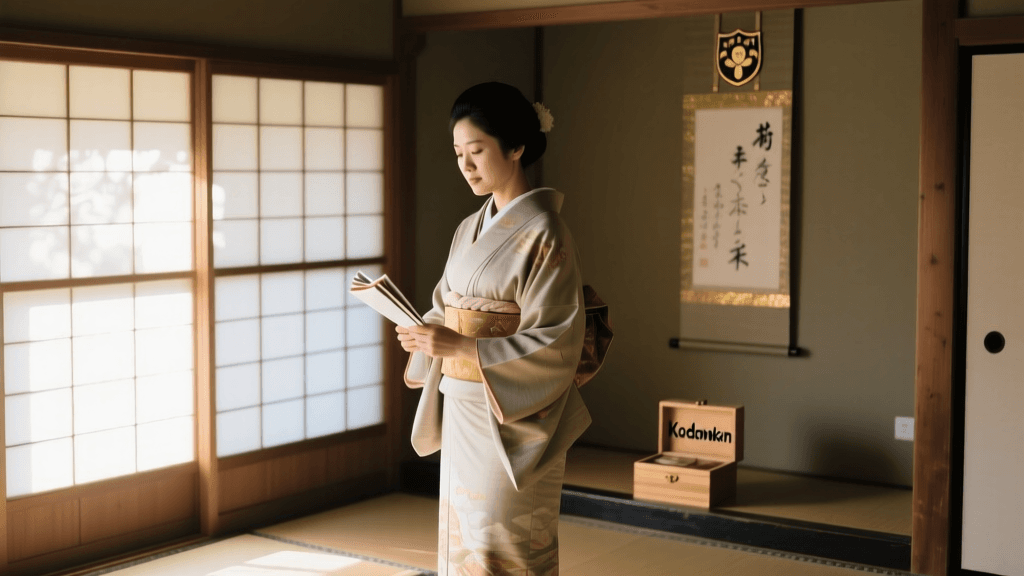
In Japanese culture, the kimono is far more than a traditional garment; it is a living archive of family history, social standing, and spiritual transition. As we navigate through 2026, the intersection of ancient etiquette and modern lifestyle continues to shape how families approach major life events. From the joyous first shrine visit of a newborn to the solemnity of ancestral memorials, selecting the appropriate silk, crests, and accessories requires a nuanced understanding of both historical precedent and contemporary trends. According to the Agency for Cultural Affairs, Government of Japan, the preservation of these sartorial traditions remains a vital component of the nation's intangible cultural heritage, even as younger generations seek sustainable and personalized ways to participate.
This comprehensive 2026 guide explores the specific kimono requirements for three pivotal family ceremonies: Miyamairi (birth), Seijin no Hi (coming-of-age), and Hoji (memorial services). We will break down the fabrics, crests, and modern sourcing options to help you honor these milestones with grace and authenticity.
Miyamairi: Welcoming the Newborn to the Shrine
The Miyamairi is a traditional Shinto ceremony held approximately 30 days after a baby is born (traditionally 31 days for boys and 32 days for girls). The family visits their local shrine to introduce the newborn to the tutelary deities (ujigami) and pray for the child's health and longevity.
The Baby's Garments: Uwagi and Ubugi
For this joyous occasion, the infant is dressed in an ubugi (a soft under-kimono) and an uwagi (the outer celebratory kimono). In 2026, there is a strong preference for organic, unbleached cotton or lightweight bamboo-silk blends for the ubugi, prioritizing the newborn's sensitive skin while maintaining the traditional silhouette.
The uwagi is the centerpiece, typically featuring vibrant, auspicious motifs such as cranes, tortoises, pine trees, or treasure ships. Crucially, the back of the uwagi often bears the family's kamon (crest). While historically passed down as heirlooms, many modern families in 2026 opt to have their crest custom-dyed onto a rental garment or purchase a lightly used vintage piece from specialized Kyoto artisans, supporting the circular fashion economy.
Parental Attire for Miyamairi
Parents must dress formally but remain subordinate to the celebratory nature of the baby's garment. Mothers typically wear a homongi (visiting kimono) or a tsukesage in bright, auspicious colors like soft pink, light green, or gold. Fathers traditionally wear a subdued montsuki hakama (crested jacket with pleated trousers) in dark grey or navy, though tailored Western suits have become equally acceptable in contemporary urban shrines.
Seijin no Hi: The Coming-of-Age Milestone
Seijin no Hi (Coming-of-Age Day) marks the transition into adulthood. Following the Japanese Civil Code revision that lowered the legal age of adulthood to 18, a fascinating cultural phenomenon has solidified by 2026: the vast majority of municipalities still host the traditional ceremonies and festivals for 20-year-olds. This is largely to avoid scheduling conflicts with the intense high school and university entrance examinations that dominate the lives of 18-year-olds. Thus, the 20-year-old furisode tradition remains as vibrant as ever.
The Furisode: A Canvas of Youth and Status
Unmarried young women celebrate this milestone by wearing a furisode, a formal kimono characterized by its dramatically long, swinging sleeves, which can measure between 100 and 114 centimeters. The furisode is the highest rank of formal wear for unmarried women, historically signaling their eligibility for marriage and their family's prosperity.
In 2026, the furisode market has seen a massive shift toward 'Vintage Upcycling.' Rather than renting mass-produced, synthetic modern garments, many young women are purchasing authentic Showa-era (1926-1989) silk furisode from online auction houses and specialized vintage dealers. These garments are then professionally cleaned, re-lined, and tailored. The Metropolitan Museum of Art notes that the intricate Yuzen dyeing techniques of the mid-20th century possess a depth of color and artistry that is prohibitively expensive to replicate today, making vintage sourcing both an aesthetic and financial triumph.
Men's Coming-of-Age Attire
While Western suits are common for young men, those choosing traditional wear opt for the montsuki hakama. The ensemble consists of a black or dark charcoal silk kimono bearing five family crests (itsutsu-mon), paired with a stiff, pleated hakama in a complementary dark shade. The outfit is anchored by a pristine white han-eri (half-collar) and a formal haori jacket.
Hoji: Navigating the Solemnity of Memorial Services
Japanese Buddhist memorial services (Hoji) follow a strict timeline, with major observances occurring at the 49th day, the first anniversary, the third anniversary, and subsequent intervals. The kimono worn during these periods must reflect the depth of mourning and the gradual return to everyday life.
Mofuku: The Deepest Mourning
For the funeral and the 49-day memorial, immediate family members wear mofuku, the formal mourning kimono. Mofuku is made of matte black silk (habutae or chirimen crepe) and is entirely devoid of decorative patterns. It must feature five family crests (itsutsu-mon) placed on the back of the neck, the back of the sleeves, and the front chest. The accompanying obi (sash), obi-jime (cord), and zori (sandals) are also strictly matte black. Shiny fabrics, gold threads, and glossy accessories are strictly forbidden, as they are considered disrespectful to the deceased.
Iro-Mofuku and the Transition to Color
By the first and third anniversaries, the strictness of the mourning period begins to ease. Family members transition to iro-mofuku (color mourning). These garments are subtle, muted kimonos in shades of dark grey, navy, deep plum, or charcoal. They may feature one to three family crests and are paired with a subdued obi that avoids bright colors or festive metallic threads. The Japan National Tourism Organization frequently highlights how these subtle shifts in textile color and crest placement serve as a visual language of grief and healing within the community.
2026 Cost and Sourcing Comparison
Understanding the financial commitment of these garments is essential for modern families. The table below outlines the average costs for renting versus purchasing these specific ceremonial garments in 2026, factoring in recent inflation and the rising demand for authentic, artisanal silk.
| Ceremony | Garment Type | 2026 Rental Cost (USD) | 2026 Purchase Cost (USD) | Key Accessories Required |
|---|---|---|---|---|
| Miyamairi (Birth) | Uwagi (Baby Outer Kimono) | $40 - $90 | $250 - $800 | Cap, bib, amulet pouch |
| Seijin no Hi (Age 20) | Furisode (Women's Formal) | $350 - $650 | $1,200 - $4,500+ | Furisode obi, shibori shawl, zori |
| Seijin no Hi (Age 20) | Montsuki Hakama (Men's) | $120 - $200 | $600 - $1,500 | Hakama, haori, tabi, fan |
| Hoji (49-Day Memorial) | Mofuku (5-Crest Black) | $150 - $250 | $800 - $2,000 | Matte black obi, black zori, beads |
| Hoji (1st/3rd Anniversary) | Iro-Mofuku (Color Mourning) | $100 - $180 | $400 - $1,200 | Subdued obi, dark tabi, subtle zori |
Sourcing, Sustainability, and Modern Etiquette
The year 2026 has brought significant advancements in how families source these garments. While the Nishijin district in Kyoto remains the undisputed heart of luxury silk weaving, the rise of AI-driven sizing platforms has revolutionized the rental market. Families can now input precise body measurements via smartphone apps, ensuring that rented furisode and mofuku are pre-tailored with the correct ohashori (waist fold) before they even arrive at the dressing salon.
Sustainability is also a major driving force. The practice of 'Kimono Remaking' (kimono remake) has evolved. Artisans are now expertly disassembling damaged heirloom furisode to salvage the pristine silk panels, which are then re-dyed and tailored for the next generation's Seijin no Hi. This not only reduces textile waste but keeps the emotional lineage of the family intact.
The Importance of the Kamon (Family Crest)
Across all three ceremonies, the kamon dictates the formality of the garment. A five-crest (itsutsu-mon) kimono is reserved for the highest levels of formality (weddings, funerals, and the 49-day memorial). A three-crest (mitsu-mon) garment is appropriate for the Miyamairi and later memorial anniversaries. In 2026, if a family's crest is unknown or lost to history, it is perfectly acceptable to use a generic auspicious crest, such as the mitsu-domoe (three swirls), though consulting with a local shrine or a professional kimono dresser is highly recommended to ensure regional customs are respected.
Conclusion
Navigating the world of ceremonial kimono requires a delicate balance of historical reverence and modern practicality. Whether you are wrapping a newborn in the protective silk of an uwagi, celebrating a young adult's entry into society with a sweeping furisode, or honoring a departed loved one in the quiet dignity of mofuku, the garments you choose speak volumes. By understanding the specific etiquette, embracing the sustainable vintage markets of 2026, and respecting the visual language of crests and colors, families can ensure that these profound milestones are honored with the beauty and depth they deserve.