Kimono Kitsuke Mindfulness: Slow Fashion Wellness Guide 2026
In the hyper-connected landscape of 2026, digital fatigue and fast-fashion burnout have prompted a global search for grounding practices. Among the most profound and visually stunning of these is the traditional Japanese art of kitsuke—the precise, deliberate process of dressing in a kimono. Far from being a mere sartorial choice, kitsuke has emerged as a powerful intersection of slow fashion, mindfulness, and holistic wellbeing. At The Garment Atlas, we explore how embracing this centuries-old tradition can transform your daily routine into a sanctuary of mental clarity and sustainable living.
The Philosophy of Kitsuke as a Mindfulness Practice
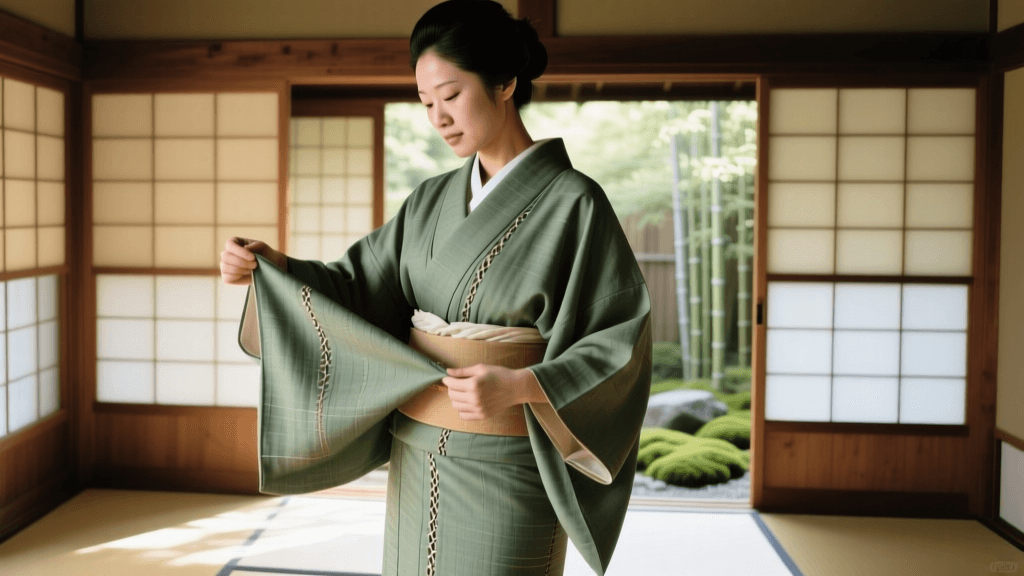
Mindfulness is fundamentally about anchoring oneself in the present moment, a concept heavily supported by contemporary psychological research. According to the Mindful Organization, engaging in deliberate, focused routines helps reduce anxiety and improves emotional regulation. Kitsuke demands absolute presence. Unlike slipping on a mass-produced t-shirt, wrapping a kimono requires an understanding of geometry, tension, and balance. You must align the eri (collar) perfectly, manage the excess fabric at the hips, and tie the obi (sash) with intentional firmness. This intricate process leaves no room for a wandering mind. Every fold and tie becomes a physical meditation, forcing the practitioner to slow down, regulate their breathing, and engage deeply with their physical body.
Slow Fashion and the Kimono Renaissance in 2026
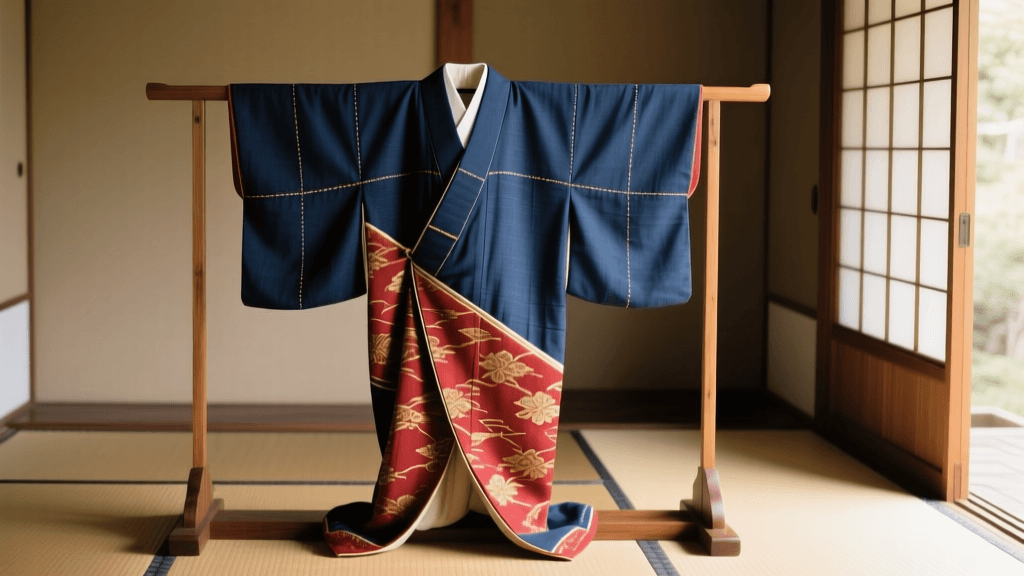
The environmental toll of fast fashion is undeniable, and the 2026 consumer is increasingly turning to heritage garments as a form of ecological and personal resistance. The kimono is the ultimate embodiment of slow fashion. Traditionally constructed from a single bolt of fabric (the tanmono), a kimono is cut in straight lines, meaning almost zero textile waste is generated during its creation. Furthermore, when a kimono is no longer needed, it can be entirely unstitched, washed, and rewoven or repurposed.
The global push for sustainable wardrobes, championed by groups like the Textile Exchange, highlights the importance of longevity and natural fibers in reducing microplastic pollution. By investing in vintage or artisan-crafted kimono, you are participating in a circular economy. In 2026, the market for authenticated, secondhand silk and hemp kimono has flourished, with curated online platforms and specialized recycle shops in Japan offering exquisite, mid-century pieces ranging from $85 to $250 USD. These garments carry history, craftsmanship, and a zero-carbon manufacturing footprint that modern fast-fashion brands simply cannot replicate.
Sensory Grounding Through Natural Textiles
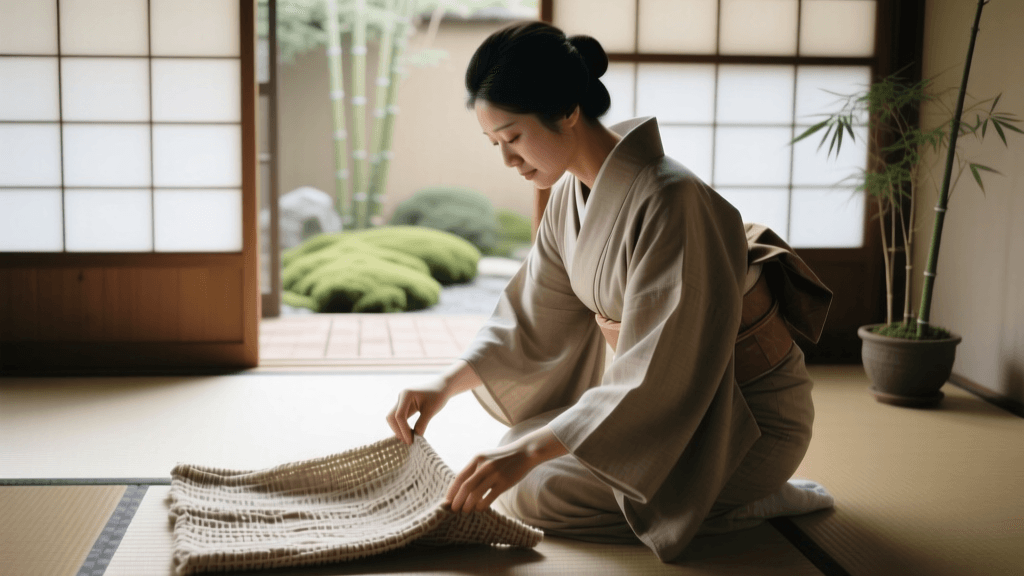
Wellness is deeply tied to our sensory experiences. The tactile sensation of natural fibers against the skin can have a profound soothing effect on the nervous system. When practicing mindful kitsuke, the choice of fabric is paramount. Tsumugi (pongee silk) offers a slightly nubby, textured feel that grounds the senses, while asa (traditional Japanese hemp) provides a crisp, cooling structure ideal for warmer months. The weight of the silk, the subtle scent of camphor wood from traditional storage chests, and the smooth glide of the datejime (under-sash) all contribute to a multi-sensory grounding experience that pulls the mind away from digital screens and into the physical world.
Your 2026 Kimono Mindfulness Routine
Integrating kitsuke into your wellness routine does not require a full formal ensemble. A simplified, mindful dressing session using a casual yukata or a lightweight wool komon kimono can be completed in 45 to 60 minutes. Below is a structured routine designed to synchronize your breathing with the physical steps of dressing.
| Kitsuke Step | Garment Element | Mindfulness Focus | Breathing Technique |
|---|---|---|---|
| 1. Preparation | Hadajuban & Susoyoke (Undergarments) | Grounding the physical body; feeling the cotton against the skin. | Box Breathing: Inhale 4s, hold 4s, exhale 4s, hold 4s. |
| 2. Wrapping | Kimono Body & Eri (Collar) | Aligning the center back seam; finding physical and mental balance. | Deep Diaphragmatic Breathing: Focus on the expansion of the lower ribs. |
| 3. Securing | Koshihimo (Tying Cords) | Establishing boundaries and support without excessive tightness. | Extended Exhale: Inhale 4s, exhale 8s to release tension. |
| 4. The Obi | Hanhaba Obi (Half-width Sash) | Embracing structure; wrapping the 15cm x 360cm sash with intention. | Rhythmic Breathing: Sync breath with the wrapping motion. |
| 5. Final Adjustments | Obiage & Obijime (Accessories) | Appreciating the details; cultivating gratitude for the garment. | Natural Breath: Observe the breath without altering it. |
Building a Mindful and Sustainable Wardrobe
To begin your kitsuke wellness journey in 2026, you need not purchase expensive, brand-new silk garments. The most sustainable and mindful approach is to explore the secondhand market. Look for komon (everyday patterned kimono) made from breathable materials. When shopping online or in vintage stores, pay close attention to the measurements. A standard vintage kimono might have a length of 150 cm and a sleeve-to-sleeve width of 125 cm. Ensure the yuki (sleeve length from center back) matches your arm span for a comfortable, unrestricted fit that allows for deep, mindful breathing.
Accessorize thoughtfully. Instead of buying synthetic, mass-produced obi belts, seek out upcycled vintage hanhaba obi. These are typically 15 cm wide and 360 cm long, making them easier to tie in simple, elegant knots like the bunko (bow) without the stress of complex formal arrangements. The goal is wellness, not perfectionism.
The Psychological Impact of Ritualistic Dressing
The World Health Organization (WHO) emphasizes that mental well-being is deeply tied to our daily habits and our ability to cope with the normal stresses of life. Ritualistic dressing provides a psychological 'container'—a dedicated block of time where the outside world is shut out. When you tie the final obijime (decorative cord), you are symbolically completing a transition from a state of rest to a state of grounded readiness. Many practitioners in 2026 report that wearing a kimono around the house on weekends, even just for drinking tea or reading, significantly lowers their baseline cortisol levels and improves their posture, which in turn positively impacts digestion and respiratory function.
Conclusion: Embracing the Slow Path
The kimono is more than a beautiful artifact of Asian tradition; it is a living, breathing tool for modern wellness. By treating kitsuke as a slow fashion ritual and a mindfulness practice, we honor the artisans who wove the silk and the generations who preserved the techniques. In a world that constantly demands we move faster, the kimono gently but firmly asks us to slow down, breathe deeply, and wrap ourselves in the quiet elegance of the present moment.